In a first-of-its-kind move, the Bangladesh government has decided to repurpose $1.135 billion from ongoing World Bank (WB) and Asian Infrastructure Investment Bank (AIIB) projects to address urgent food and energy shortages.
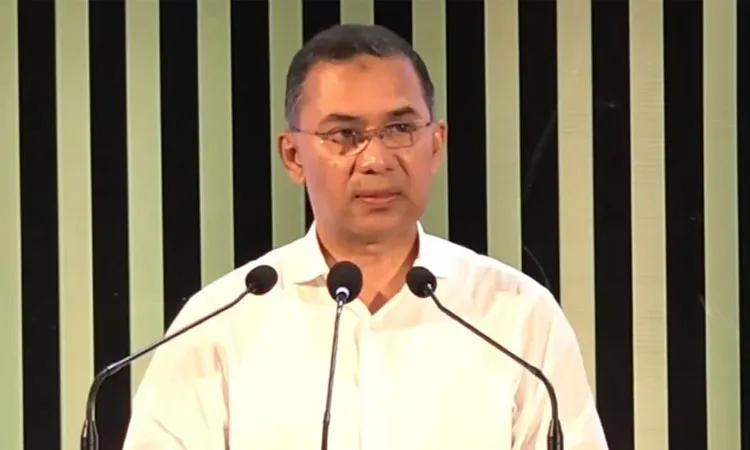
The decision follows a high-level meeting chaired by Finance Minister Amir Khosru Mahmud Chowdhury to counter the economic shockwaves of the ongoing Middle East conflict.
Emergency Funding Activation
For the first time, Bangladesh has activated the World Bank’s Rapid Response Option (RRO). This mechanism allows the state to redirect up to 10% of unused funds from existing projects toward emergency needs. Under this framework, $785 million will be drawn from 12 World Bank projects, while $350 million will be diverted from an AIIB-funded project.
The funds will be funneled through a "Contingent Emergency Response Project" (CERP) to fast-track the import of fuel, gas, fertilizer, and essential medicines.
The Looming Crisis
The Finance Division warned that the US-Israel war on Iran could inflate the national import bill by an additional $3.2 billion. Without this reallocation, subsidies for agriculture and energy could skyrocket to Tk 38,000 crore in the 2025-26 fiscal year, further straining the country’s shrinking foreign exchange reserves.
Economists have hailed the move as a practical alternative to expensive new loans. "Repurposing existing concessional loans is smarter than taking on high-interest budget support," noted Zahid Hossain, former lead economist at the World Bank’s Dhaka office. However, he cautioned that multiple ministries must coordinate quickly to launch the program by May 2026 to avoid losing the funds.
Broader Budget Support
In addition to the reallocated funds, the government is processing over $2.5 billion in fresh budget support:
ADB: $1 billion in total support currently being finalized.
Japan: $500 million at a 3.05% interest rate with a 30-year maturity.
AIIB: $250 million co-financing alongside the ADB.
While these loans help stabilize the economy, experts warn that the non-concessional terms of some of these packages—with interest rates exceeding 5%—could increase the long-term debt burden.