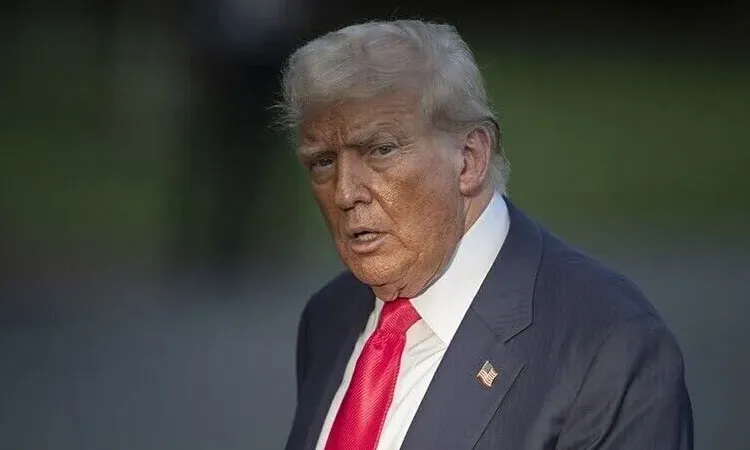
US President Donald Trump stated on Wednesday that he is giving diplomatic efforts one final chance to end the US-Israeli war on Iran, while Tehran warned that any renewed aggression will expand the conflict far beyond the Middle East.
Speaking to reporters at Joint Base Andrews before departing for Connecticut, Trump described the negotiations as being in their “final stages.”
"We're going to give this one shot. I'm in no hurry," Trump said, dismissing concerns that upcoming US midterm elections would pressure his timeline. "Ideally, I'd like to see few people killed, as opposed to a lot. We'll see what happens. Either we have a deal or we're going to do some things that are a little bit nasty."

Trump later told graduates at the Coast Guard Academy that while the US has heavily damaged Iran's military capabilities, Washington is prepared to strike harder to prevent Tehran from acquiring a nuclear weapon. He also confirmed he remains fully aligned with Israeli Prime Minister Benjamin Netanyahu on the issue.
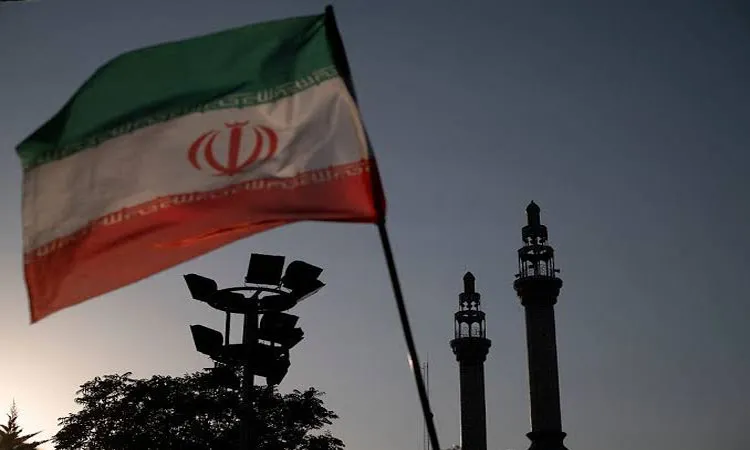
In response to the looming threat of renewed strikes, Iran's Islamic Revolutionary Guard Corps (IRGC) issued a stark warning. "If aggression against Iran is repeated, the promised regional war will extend beyond the region this time," the group said in a statement.

Iranian Parliament Speaker and top peace negotiator Mohammad Baqer Qalibaf accused Washington's elites of dragging the American working class into another costly conflict. Referencing US Vice President JD Vance's memoir Hillbilly Elegy, Qalibaf warned on social media that "America's poor and forgotten will foot the bill" for the ambitions of Wall Street executives and Washington's "war merchants."
The regional crisis erupted on February 28 when the US and Israel launched surprise attacks on Iran, prompting retaliatory drone and missile strikes from Tehran and the closure of the strategic Strait of Hormuz.
A ceasefire brokered by Pakistan took effect on April 8, pausing "Operation Epic Fury." While initial talks in Islamabad failed to produce a lasting agreement, Pakistani Interior Minister Mohsin Naqvi arrived in Tehran on Wednesday to continue mediation efforts.
Iran recently submitted a new proposal to Washington. However, the terms largely reiterate previous demands that Trump has already rejected, including control over the Strait of Hormuz, war compensation, the lifting of sanctions, and the complete withdrawal of US troops from the region.
Trump revealed he recently called off planned airstrikes at the last minute following appeals from Gulf nations. Saudi Arabia's Foreign Minister Prince Faisal bin Farhan publicly welcomed the decision to allow more time for diplomacy.
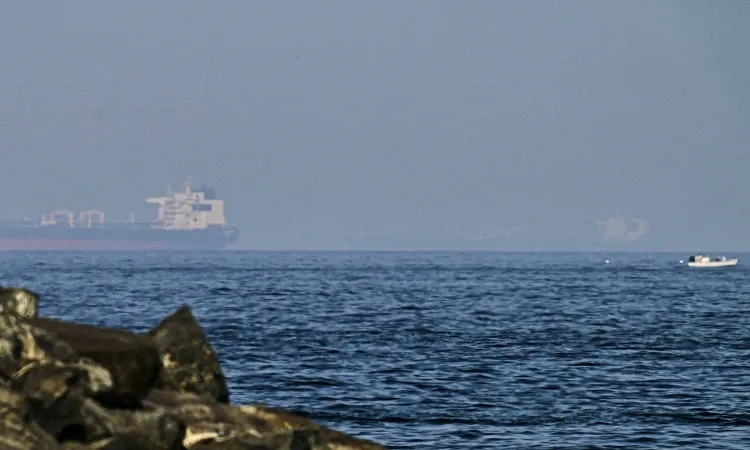
Meanwhile, the economic toll of the conflict continues to mount. The Strait of Hormuz remains largely closed by Iran, triggering the most severe disruption to global energy supplies in history. In retaliation, the US has blockaded Iranian ports.
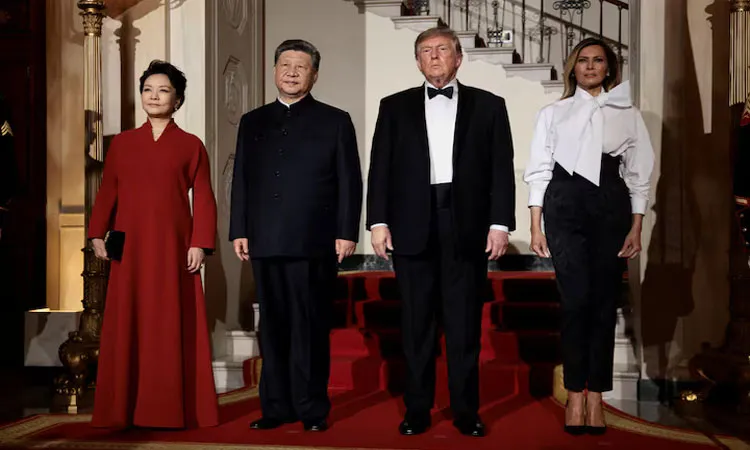
However, there are slight signs of easing in the waterway. Following an agreement reached while Trump was at a summit in Beijing, two massive Chinese tankers carrying 4 million barrels of oil exited the strait on Wednesday.
South Korea also confirmed one of its tankers crossed with Iranian cooperation. While shipping monitors report a slight uptick in traffic, the volume remains a fraction of the 140 ships that traversed the vital corridor daily before the war.