
- National
- Bangladesh
- Business
- International
- Sports
- Entertainment
- Politics
- Technology
- Life Style
- Religion
- Opinion
Wednesday, 20 May 2026

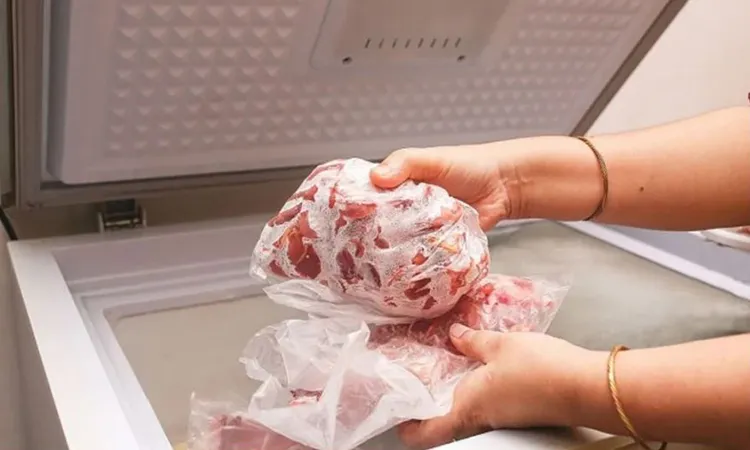
During Eid-ul-Azha, many families need extra preparation to store sacrificial meat properly. Long holidays, guest visits, and storing large amounts of meat at once often create problems in refrigerator management. If meat is not stored correctly, its taste, smell, and nutritional value may deteriorate, increasing health risks.
Experts recommend cleaning the refrigerator before Eid. Removing old or unnecessary food creates enough space for fresh meat and helps maintain proper cooling. Overloading the refrigerator prevents cold air from circulating properly, which can cause food to spoil faster.
Before storing sacrificial meat, drain the blood properly. If the meat is washed, remove excess water and dry it well. Wet meat can form ice crystals, which may affect its natural taste and texture.
Store meat in clean, airtight containers or quality food-grade freezer bags. Avoid keeping meat uncovered inside the refrigerator.
Divide meat into small family-sized portions instead of storing it in large amounts. This makes daily use easier and prevents repeated thawing of the entire stock. Refreezing thawed meat can reduce quality and increase the risk of bacterial growth.
Raw meat should not be stored beside cooked food, fruits, or vegetables. Germs and odors from raw meat can spread to other foods. Keeping a separate section in the refrigerator for raw meat helps maintain food safety.
During a power outage, avoid opening the refrigerator door repeatedly. Keeping the door closed helps preserve the cold temperature for longer and reduces the risk of spoilage.
If stored properly, sacrificial meat can remain good in the freezer for up to six months. However, taste and nutritional quality may gradually decline over time. For the best quality, it is advisable to consume the meat within a reasonable period.
