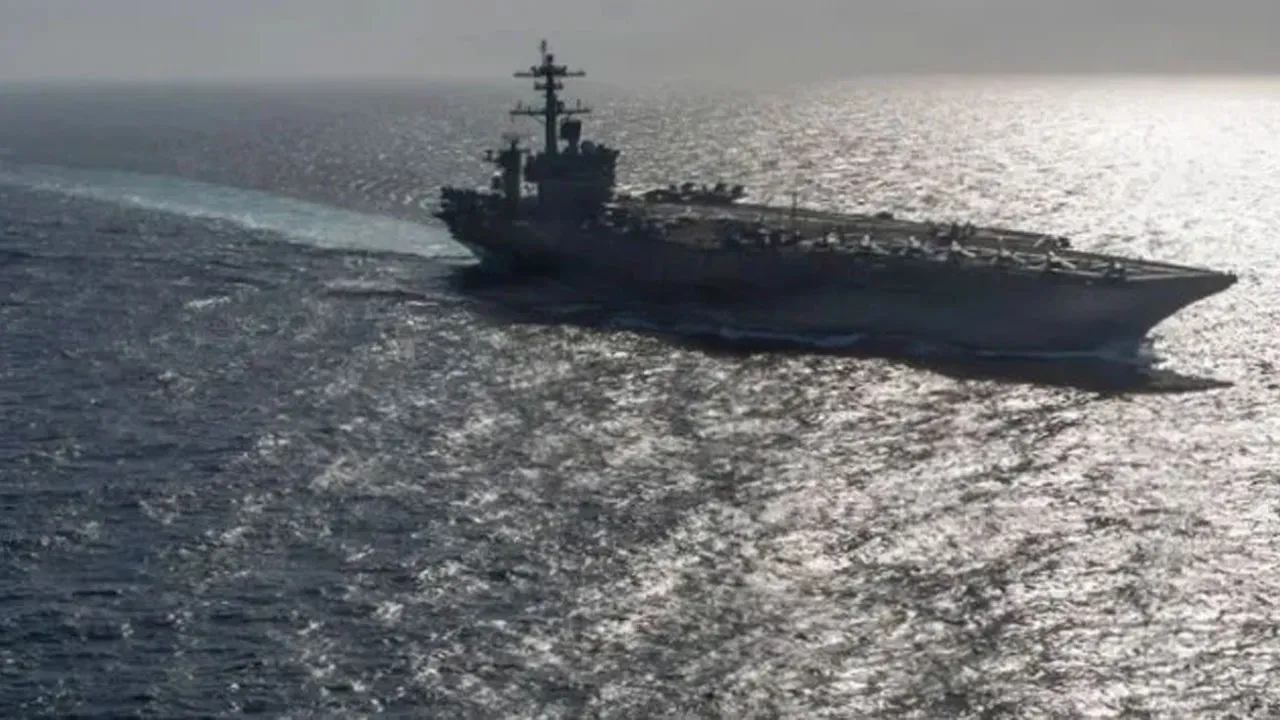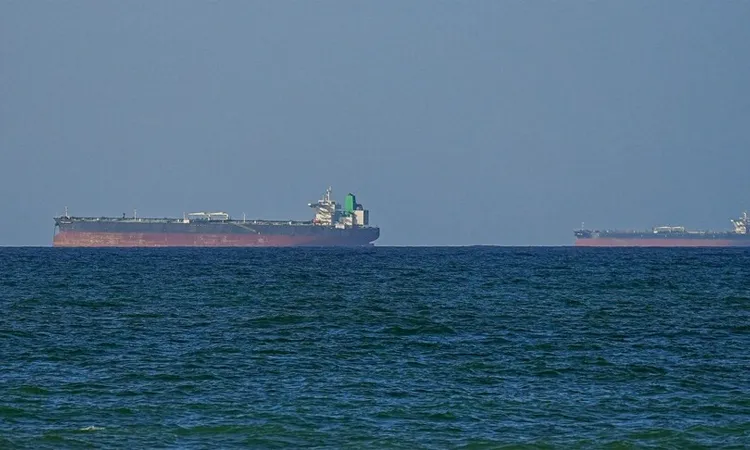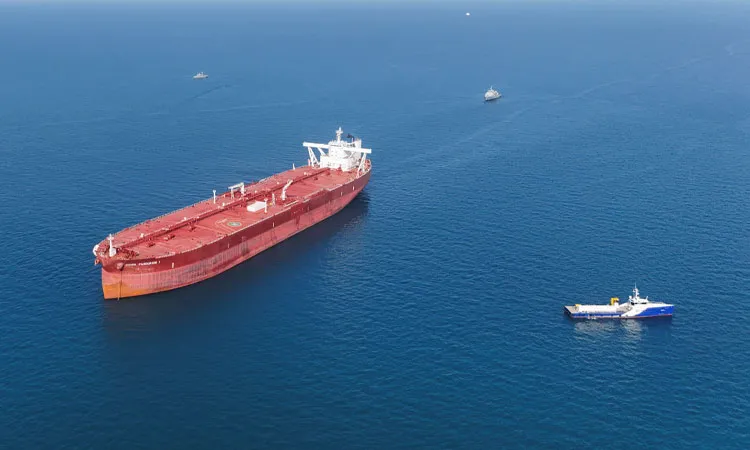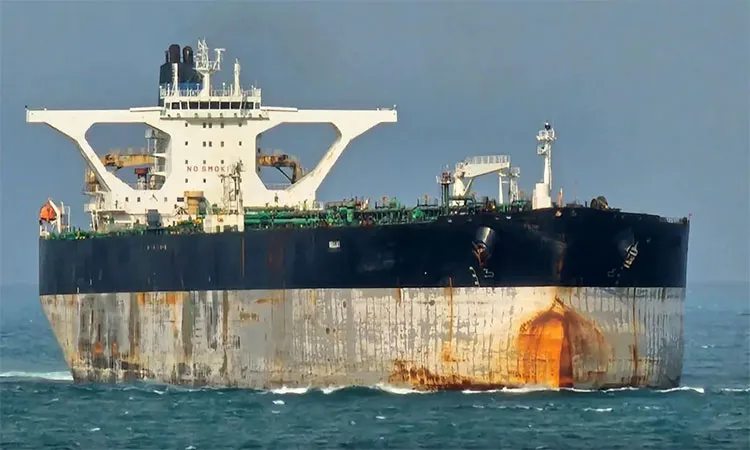
A high-stakes maritime standoff is unfolding in the North Atlantic as Russian naval vessels, including a submarine, have moved to escort an oil tanker currently being pursued by U.S. forces.
The tanker, recently renamed Marinera (formerly Bella 1), is located between Iceland and the British Isles. The vessel is accused by Washington of violating U.S. sanctions and transporting Iranian oil. While the ship was previously flagged in Guyana, it has reportedly re-flagged as a Russian vessel—a move experts say will not shield it from U.S. enforcement based on its permanent identification number.
Last month, the U.S. Coast Guard attempted to board the ship in the Caribbean under a seizure warrant, but the vessel changed course toward Europe. President Donald Trump recently ordered a "blockade" of sanctioned tankers linked to Venezuela, further escalating tensions.
U.S. officials confirmed that American forces are prepared to board the ship, noting a preference for seizure over destruction. The presence of U.S. military transport aircraft and helicopters in the region suggests an imminent operation similar to the recent seizure of The Skipper by U.S. Marines.
Russia’s Foreign Ministry defended the vessel, stating it is sailing in international waters under the Russian flag in full compliance with maritime law. Moscow described the U.S. and NATO presence as "disproportionate" and urged Western nations to respect the principle of "freedom of navigation."
This confrontation follows the recent U.S. military intervention in Venezuela, where elite forces seized President Nicolás Maduro. The UK Ministry of Defence has declined to comment on the current activity, though Washington is expected to coordinate with London before launching any operation from British territory.
The vessel currently known as Marinera (IMO identification number tracking back to Bella 1) is confirmed by AIS data to be in the North Atlantic, with U.S. and Russian military assets positioned in its vicinity as of January 7, 2026.