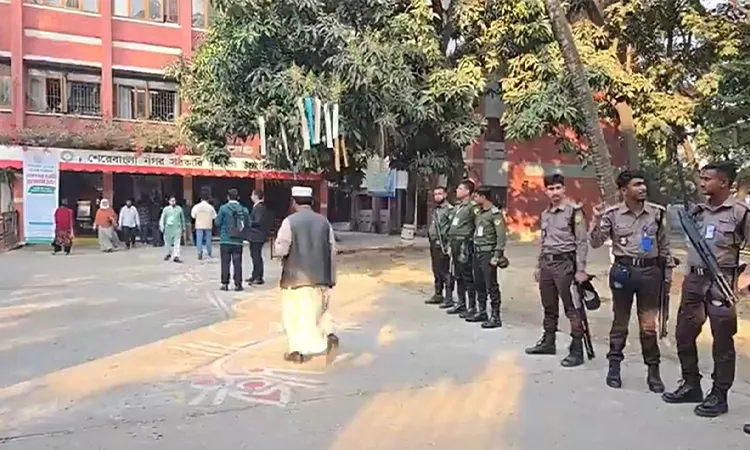
Large numbers of voters gathered outside polling centres across Bangladesh early this morning, with queues forming nearly an hour before voting began, as the country went to the polls today (12 February).
Voters are electing a new government and taking part in a referendum on major constitutional reforms in a landmark double-ballot exercise.

This is the first national election since the fall of the Awami League government on 5 August 2024.
At Kamrunnessa Government Girls’ High School polling centre in Tikatuli, Dhaka-6, Masuma Akter became the first woman to cast her vote on election morning. A lawyer by profession, she said returning to the ballot box after 17 years was deeply emotional.
“I’ve voted after 17 years. After so long, it feels like Eid,” she said, expressing relief and joy. “In a new Bangladesh, it feels very good to vote. This is the expression of our sacrifice — this is what we wanted.”
She said she voted for her preferred candidate and hoped the elected representative would focus on local development.
Voters began arriving at the centre from 7:30am, patiently lining up to take part in the democratic process.
Polling for the 13th national parliamentary election and the referendum on the July Charter started at 7:30am and will continue until 4:30pm nationwide.
Minhaj, a 46-year-old rickshaw puller from Jamgara in Savar, told The Busines Times that he plans to vote later in the day. “I need to work in the morning to earn first. I will go to vote in the afternoon,” he said.
At several polling centres, voters were seen standing in orderly lines as members of law enforcement maintained strict security.
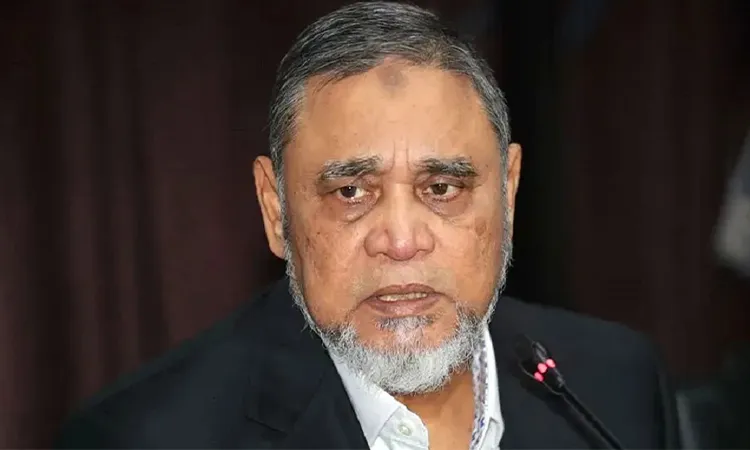
Chief Election Commissioner AMM Nasir Uddin expressed hope for a fair, peaceful and festive voting environment. He urged all concerned to work together to ensure a successful democratic transition.
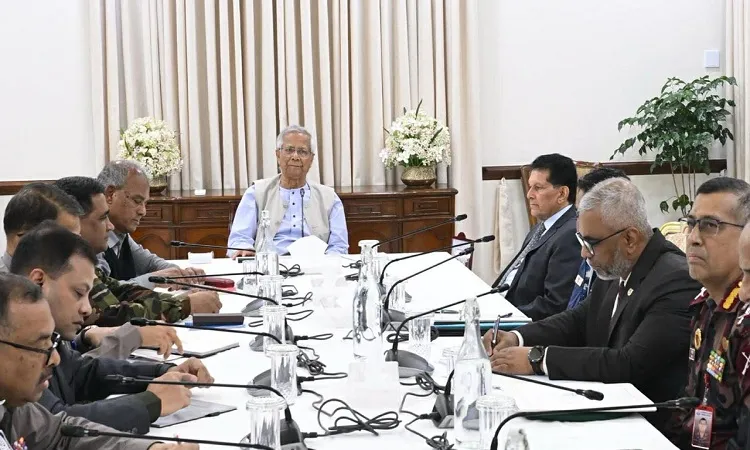
Beyond the political stakes for major leaders, including BNP Chairman Tarique Rahman and Jamaat-e-Islami Ameer Shafiqur Rahman, today’s vote is also a crucial test for the interim government led by Chief Adviser Muhammad Yunus.
The interim administration has actively campaigned for the referendum, which asks voters to approve or reject the July Charter — a reform framework proposing 48 constitutional changes.
If approved, the next parliament will be legally bound to implement the reforms and will also serve as a constituent council to formally adopt the reform package, according to the July Charter implementation order.