- National
- Bangladesh
- Business
- International
- Sports
- Entertainment
- Politics
- Technology
- Life Style
- Religion
- Opinion
Friday, 01 May 2026

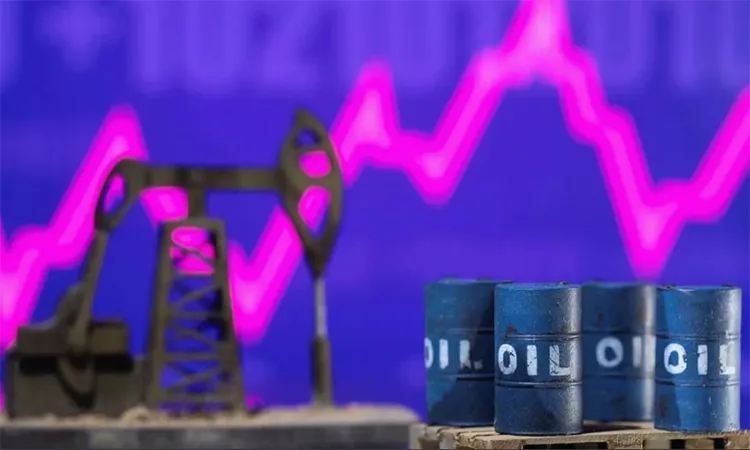
The ongoing military tensions between the US and Israel against Iran have raised fears of a severe disruption to global energy supplies. Energy economist Ed Hirsch warns that crude prices could soar to $150 a barrel if the conflict escalates.
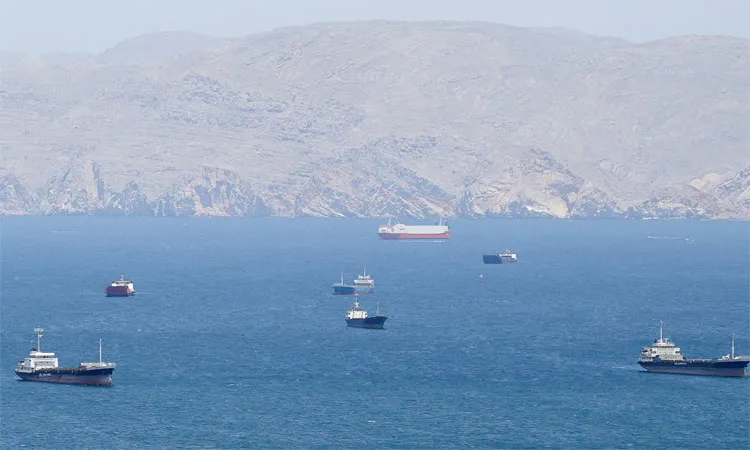
In an interview with Al Jazeera on Wednesday, March 4, the University of Houston lecturer said that if even half of the oil passing through the strategic Strait of Hormuz were blocked, the global economy could face an unprecedented crisis. The risk is heightened by the US Navy’s reduced ability to secure oil tankers along the route.
Brent crude prices have risen by more than $11 per barrel since late February, climbing from $72 to $83.51.
Hirsch noted that the fuel market’s volatility is already affecting the liquefied natural gas (LNG) sector. LNG prices jumped over 40 percent on the first day of the campaign, and European natural gas prices nearly doubled between Monday and Tuesday last week. Diesel prices are also rising sharply. In response, gas-dependent countries have begun stockpiling petroleum, influencing future fuel orders in some US states.
The crisis is evident in Iraq’s Ruwailah oil field in Basra, where exports have been hampered due to the closure of the Strait of Hormuz. Iraq has had to reduce daily oil production by about 1.5 million barrels. Images of gas flares from the Ruwailah field, widely published in international media, underscore the struggles of Middle Eastern oil producers. Analysts warn that a prolonged supply shortage could disrupt industrial production in Asia and Europe.
Domestically, Hirsch warned that the energy crisis could pose a major challenge for US President Donald Trump. High fuel prices, particularly in the New England region, could affect public life and erode the administration’s popularity ahead of the midterm elections.
If economic instability continues, it could create political turmoil not only in the Middle East but also within the United States. Global energy prices are likely to spiral out of control if the blockade at the Strait of Hormuz persists.
Comment