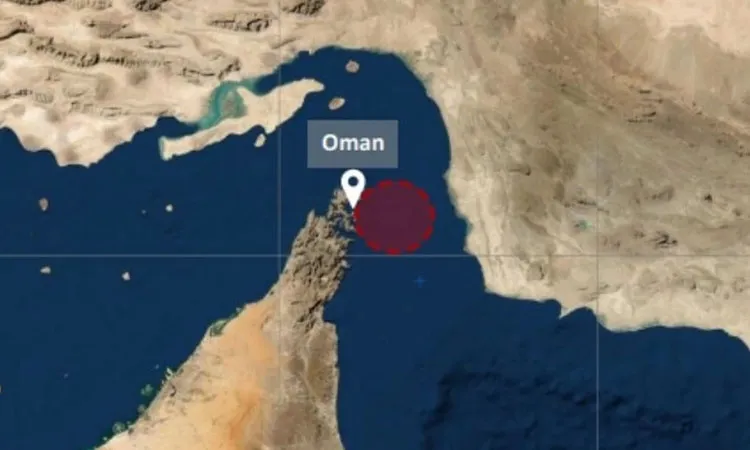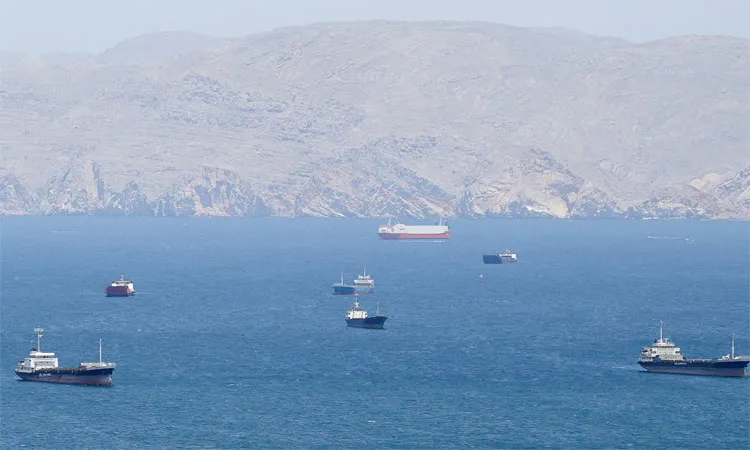
Iran has offered to end its blockade of the Strait of Hormuz in exchange for the United States lifting its economic sanctions, according to regional officials. However, the proposal notably avoids addressing Tehran’s nuclear program a key demand for the Trump administration.
The proposal was reportedly delivered to Washington via Pakistan. It arrives as Iranian Foreign Minister Abbas Araghchi visits Moscow to consult with Russian President Vladimir Putin regarding the ongoing conflict involving Israel and the U.S.
Trump Rejects Partial Deal
U.S. President Donald Trump signaled a cold reception to the offer, insisting that any deal to reopen the strategic waterway must include the permanent termination of Iran’s atomic program.
"We have all the cards. If they want to talk, they can come to us," Trump told Fox News on Sunday. The President recently canceled a high-level diplomatic mission to the region, citing a lack of progress in peace efforts.
Oil Markets React as Tension Climbs
The diplomatic stalemate sent shock waves through global energy markets on Monday. With shipments through the Strait of Hormuz the world’s most important oil choke point still restricted, global supplies remain dangerously tight.
Brent Crude: Jumped nearly 3% to $108.36 a barrel, a three-week high.
WTI: Rose 2.6% to $96.85.
Last week, oil prices saw their sharpest weekly gains since the start of the war, with Brent surging nearly 17%.

Before arriving in Russia, Araghchi held talks in Islamabad and Muscat. He emphasized that Iran and Oman, as the two states bordering the Strait, must coordinate to ensure "safe passage," describing it as a critical global issue. While Araghchi labeled the Pakistan talks "successful," the gap between Tehran's demands and Washington’s "maximum pressure" strategy remains wide.