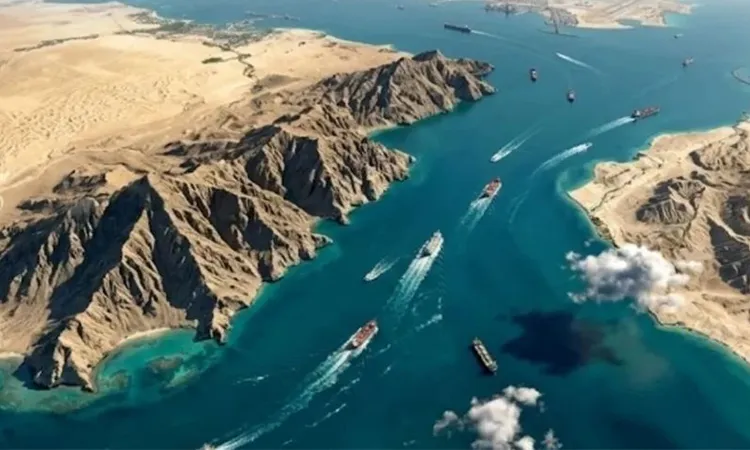
Iran has proposed a new plan to the United States aimed at easing tensions and reopening the strategically vital Strait of Hormuz, even as it refuses to halt its nuclear program.
According to a report by Axios, the proposal was conveyed to Washington through mediators from Pakistan as part of efforts to de-escalate the ongoing conflict.
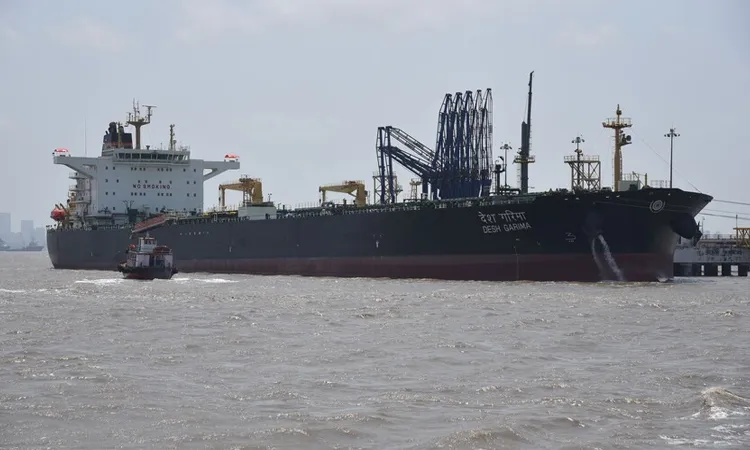
The proposal calls for the US to lift its naval blockade on Iranian ports and allow commercial shipping to resume through the Strait of Hormuz. In return, Iran has signaled readiness to reduce military restrictions in the area and move toward a ceasefire.
However, Tehran has set a key condition discussions on its nuclear program—including uranium enrichment—must be postponed. It has made clear that nuclear issues will not be part of the current negotiations.
Analysts say this position reflects Iran’s attempt to ease immediate economic pressure caused by the conflict while avoiding concessions on its long-term nuclear strategy.
The report also highlights concerns within the US administration. Officials fear that lifting the blockade without securing nuclear commitments would weaken Washington’s leverage over Iran’s nuclear ambitions.
Under the leadership of Donald Trump, the US has pushed for a comprehensive agreement that addresses not only regional security but also Iran’s nuclear and missile programs. Accepting a limited deal now could make it harder to achieve those broader goals later.
Pakistan has played an active role as a mediator, with reports of ongoing diplomatic contacts in Islamabad. While this suggests progress behind the scenes, it remains unclear whether Washington will accept what many see as a “partial” proposal.
The outcome of this initiative could shape the next phase of both military and diplomatic developments in the Middle East.