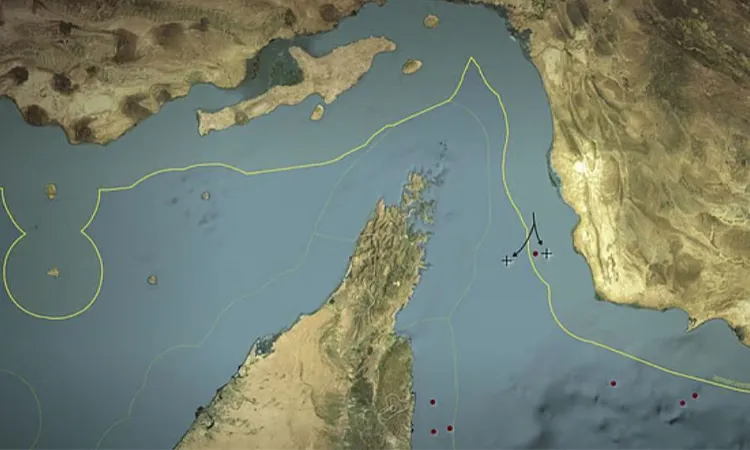
The Strait of Hormuz, one of the world’s most critical routes for oil and gas supply, is now effectively closed amid escalating conflict involving Iran. Iran first declared the strait closed, and the United States later imposed a blockade, further disrupting global energy flows.
Control of the strait has become central to ongoing discussions over a possible long-term ceasefire in the Middle East. According to Axios, Iran has signaled willingness to reopen the waterway—but with new conditions for Washington.
The report, citing a US official and two sources familiar with the matter, says Iran has proposed suspending nuclear negotiations in the next phase as part of the arrangement.
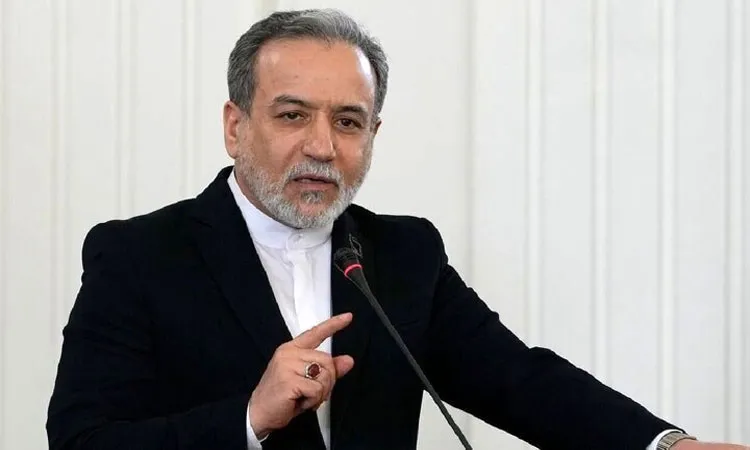
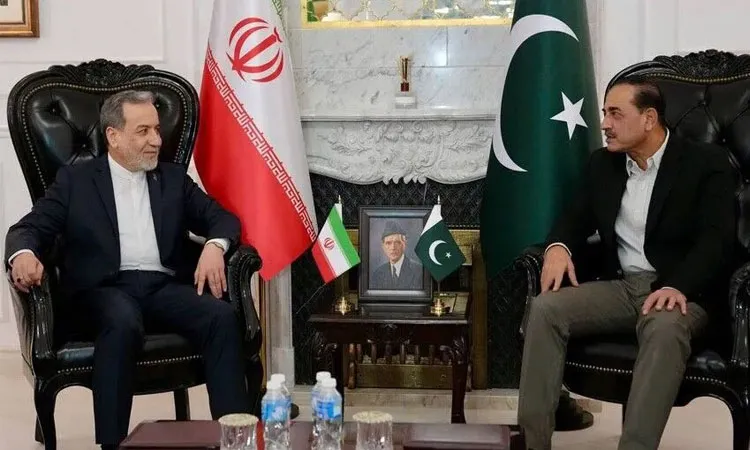
Iranian Foreign Minister Abbas Araghchi recently visited Pakistan and Oman and is expected to travel to Russia next. The proposal was reportedly conveyed to the US through intermediaries in Pakistan.
However, concerns remain within US circles. According to Axios, once an agreement on Hormuz is reached and US restrictions on Iranian ports are lifted, Washington may lose leverage. This could make it harder to pressure Tehran to reduce its stockpile of enriched uranium or pause uranium enrichment for an extended period.
The situation remains fluid, with significant implications for global energy markets and regional stability.