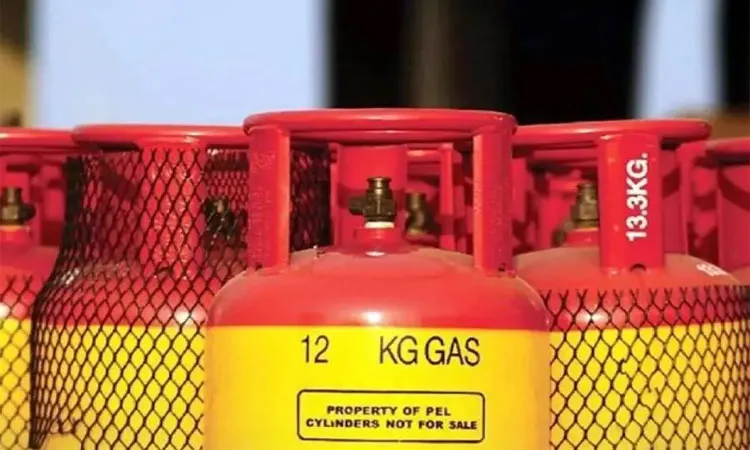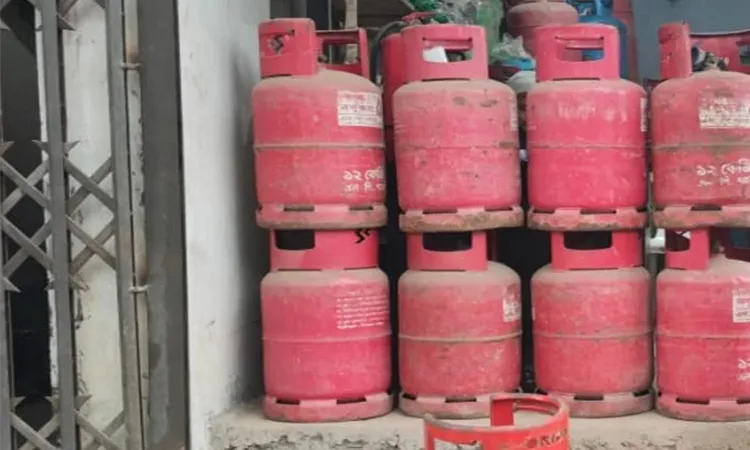
The government is moving to import Liquefied Petroleum Gas (LPG) through the state-owned Bangladesh Petroleum Corporation (BPC) to tackle artificial shortages and volatile market prices.
Earlier in January, BPC Chairman Md Amin Ul Ahsan sent a formal proposal to the Ministry of Power, Energy, and Mineral Resources seeking approval for imports on a government-to-government (G2G) basis. The move aims to break the private sector’s absolute grip on the market, which currently leaves the government with little room to intervene during crises.
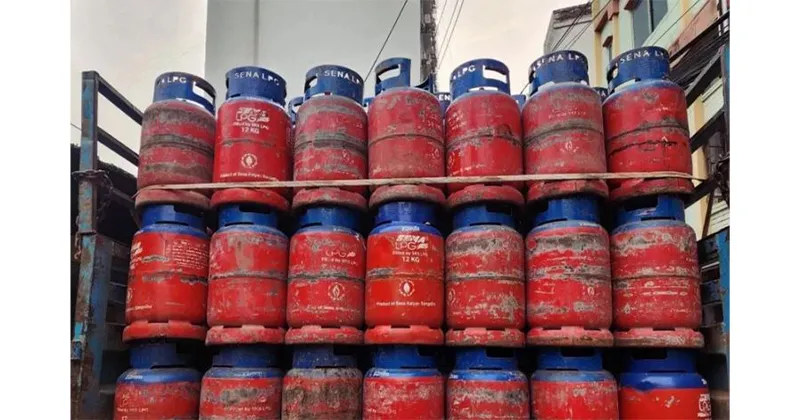
According to the BPC, the domestic LPG market has recently been hit by severe supply crunches and price hikes. While the Bangladesh Energy Regulatory Commission (BERC) sets monthly prices, consumers often find cylinders unavailable at the fixed rates.
“The LPG market is effectively under private control,” BPC Chairman Md Amin Ul Ahsan told Business Times. “If the government imports LPG, it will restore balance. Many private firms are currently struggling to import due to various complications; we aim to supply them and resolve the crisis.”
Muhammad Fouzul Kabir Khan, Adviser to the Ministry of Power, Energy, and Mineral Resources, confirmed the government is assessing the feasibility of G2G imports.
“If imports proceed, consumers will no longer be held hostage by market volatility,” the Adviser said. He clarified that for now, the government’s role will be limited to procurement. “The government will handle imports but will not yet involve itself in storage, bottling, or distribution.”
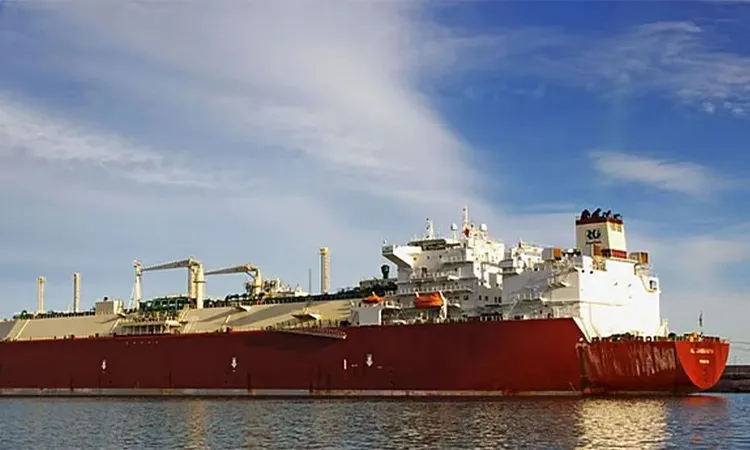
Since BPC lacks its own discharge infrastructure, the proposal suggests utilizing the existing facilities of private operators. LPG would be offloaded from large vessels to lighter ships near Kutubdia and transported to private terminals for distribution. BPC plans to consult with the LPG Operators Association of Bangladesh (LOAB) to finalize logistics and payment methods.
Despite the government’s optimism, some experts argue that simply handing gas over to private distributors may not lower retail prices.
“Unless BPC sells directly to consumers, the impact will be limited,” one analyst noted, pointing out that private retailers frequently ignore BERC-set prices. Currently, a 12-kg cylinder is officially priced at Tk 1,306, yet market rates remain significantly higher due to "supply pressure."
The shift in policy comes as Bangladesh’s reliance on LPG skyrockets, current Demand: ~1.7 million tonnes annually. Projected 2030 Demand: Over 3 million tonnes. Current Govt Contribution: Only 19,000 tonnes (less than 2% of demand).
M Shamsul Alam, energy adviser to the Consumers Association of Bangladesh (CAB), emphasized the need for consumer-centric policies. “Successive governments have fully commercialized this sector. We need the government to increase its own supply to ensure fair pricing,” he said.