- National
- Bangladesh
- Business
- International
- Sports
- Entertainment
- Politics
- Technology
- Life Style
- Religion
- Opinion
Friday, 17 April 2026

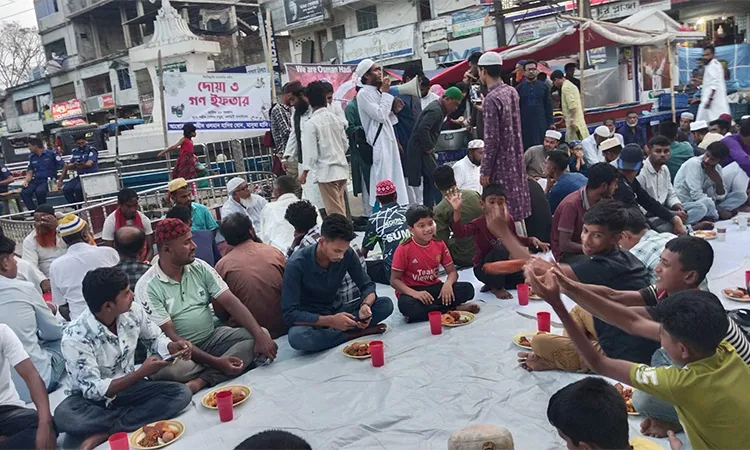
Muslims around the world will soon begin observing Ramadan, the Islamic holy month marked by daily fasting from dawn to sunset. For many, it is a time of deeper worship, reflection, and charity. Socially, Ramadan often brings families and friends together for shared meals to break the fast.
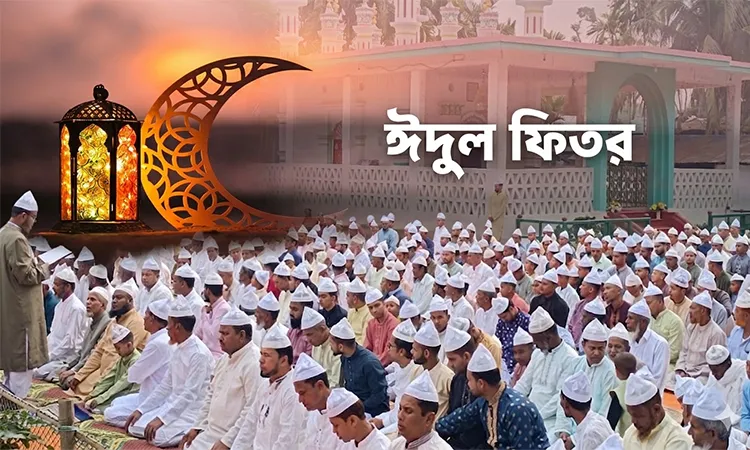
Ramadan is followed by Eid al-Fitr, a festival that marks the end of the fasting month.

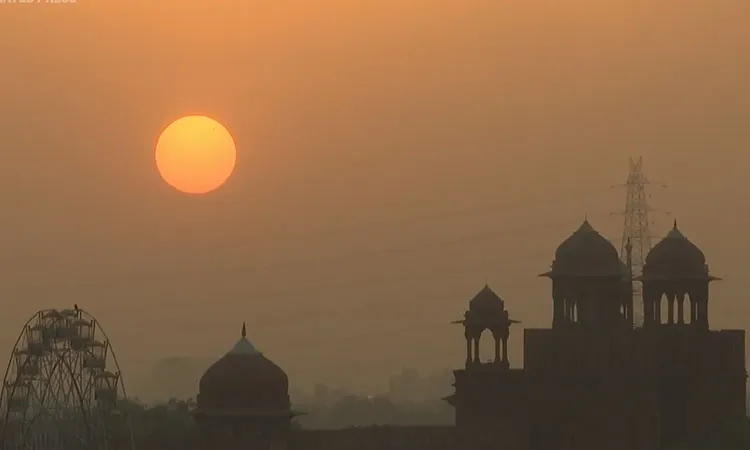
The ninth month of the Islamic lunar calendar, Ramadan shifts through the seasons each year. Its start traditionally depends on the sighting of the crescent moon. This year, the first day is expected on or around Feb. 18 or 19, though the exact date may vary by country and community based on local moon sightings or different calculation methods used by Islamic authorities.

This year, Ramadan is expected to begin around the same time as Ash Wednesday, a day of fasting and reflection that marks the start of Lent for many Christians.
Fasting during Ramadan is one of the Five Pillars of Islam, along with the profession of faith, daily prayer, almsgiving, and pilgrimage. Muslims view fasting as an act of worship that encourages self-discipline, gratitude, and empathy for those who are poor or hungry.

The daily fast includes abstaining from all food and drink, including water, from dawn to sunset. The fast is broken with a meal called iftar. Many Muslims also eat a predawn meal, known as suhoor, to prepare for the day.

During the month, Muslims often attend mosques more frequently for congregational prayers and devote extra time to reading the Holy Quran.

Charity is a central part of Ramadan. Many people provide free iftar meals, distribute food packages, or donate money and supplies to those in need.

There are exemptions from fasting for people who are ill, pregnant, traveling, or otherwise unable to fast. Those who miss days due to temporary reasons are expected to make them up later.

Ramadan traditions vary widely across cultures. In Egypt, the month is often festive, with colorful lanterns decorating homes and streets and special songs played to welcome Ramadan. A traditional figure known as the mesaharati may roam neighborhoods before dawn, beating a drum to wake people for suhoor.
In Indonesia, customs differ by region. In Aceh province, families take part in Meugang celebrations, sharing meat with relatives, neighbors, and the poor. In other areas, people gather for torchlight parades, communal prayers, or symbolic cleansing rituals.

In the United States, where Muslims are a diverse minority, Ramadan often centers on community. Families gather at mosques and Islamic centers for prayers and iftar meals, and many also take part in interfaith dinners to share the experience with neighbors of other faiths.

Some Muslims express concern that Ramadan has become overly commercialized in certain places, with too much focus on decorations, entertainment, or lavish meals. Others say these customs, when kept in balance, add to the month’s sense of joy while preserving its spiritual core.
Comment