Prices of key essential commodities in Bangladesh have risen ahead of Ramadan despite easing trends in the global market, according to a review report by the Ministry of Commerce. While prices of some items such as chickpeas and dates have declined locally, most staples remain expensive for consumers.
The report, presented at a meeting of the Task Force Committee on commodity prices at the commerce ministry on Tuesday, compared price movements over the past month and year in both domestic and international markets. Items reviewed included rice, flour, edible oil, sugar, lentils, onions, garlic, chickpeas, and dates. Demand for these products typically increases during Ramadan.
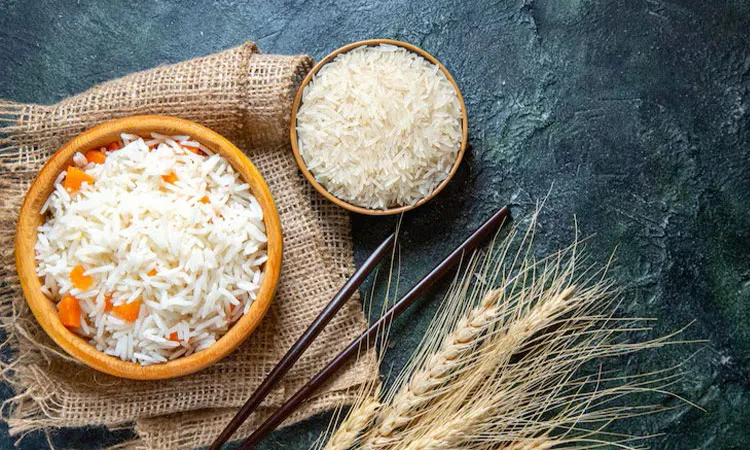
Prices of coarse rice varieties, including Swarna and China, were unchanged over the past month in the domestic market. However, year-on-year prices rose by 8.57%, with rice selling at Tk54–Tk60 per kilogram. In contrast, international prices for the same rice fell 18.65% over the year to $423 per tonne, despite a 4.19% increase over the past month.
Bottled soybean oil prices in Bangladesh rose 1.57% over the past month and 12.83% year-on-year. Globally, crude soybean oil prices declined 3.03% month-on-month but increased 9.27% over the year. Palm oil prices rose slightly in Bangladesh during the year, while falling 11.82% in the international market.
Prices of medium- and small-grain lentils increased locally over the year, while coarse lentil prices declined. International lentil prices fell sharply—by 30.92% in Australia and 9.09% in India, Bangladesh’s main import sources.
Refined sugar prices rose 5% in the global market over the past month and 1.20% domestically. Year-on-year, sugar prices fell by about 15% both locally and internationally.
Onion prices provided some relief. Domestic prices dropped 18.18% over the past month due to the start of the new harvest, though they remain 24.14% higher than a year ago.
The report noted that prices of ginger, garlic, and chickpeas fell more sharply in Bangladesh than internationally, even as demand for these items rises during Ramadan.
Prices of dates—an import-dependent staple during iftar—declined 2.67% over the past month, selling at Tk180–Tk550 per kilogram depending on quality. The report did not include international price data for dates.
Market analysts attributed the weak transmission of global price declines to poor market monitoring, trader syndicates, and the depreciation of the taka.
Consumer Association of Bangladesh (CAB) President AHM Safiquzzaman said consumers rarely benefit from falling global prices due to trader malpractice.
“Market monitoring is weak, and even where it exists, enforcement is often lacking,” he said. “Traders cite dollar volatility, but the exchange rate has been relatively stable in recent months.”
After the meeting, Commerce Adviser Sk Bashiruddin said Ramadan this year would be more comfortable than last year, citing a 40% increase in imports of essential goods.
“Analysis of supply, import, and production data shows the Ramadan market will be better this year,” he said, adding that traders assured the government supplies would remain normal and some prices could fall.
Commerce Secretary Mahbubur Rahman and heads of agencies under the Ministry of Commerce attended the meeting.
Despite the adviser’s optimism, the report warned of a potential edible oil supply shortfall. Ramadan demand is estimated at about 300,000 tonnes.
In November and December, Bangladesh imported 366,000 tonnes of edible oil, slightly lower than the 372,000 tonnes imported during the same period last year. Opened letters of credit (LCs) for soybean and palm oil imports totaled 392,000 tonnes, down from 451,000 tonnes a year earlier.
As oil imported under LCs opened in November and December is expected to reach the market in February—and Ramadan begins in mid-February—lower LC volumes could lead to tighter supply.