- National
- Bangladesh
- Business
- International
- Sports
- Entertainment
- Politics
- Technology
- Life Style
- Religion
- Opinion
- FIFA World Cup 2026
Monday, 24 August 2026


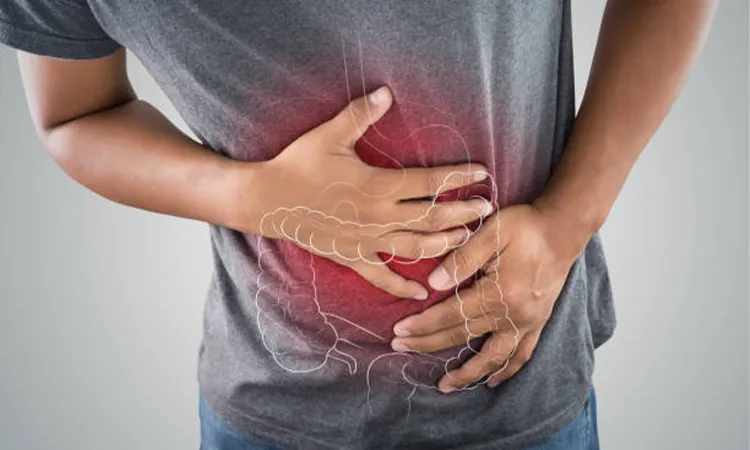
Constipation is a common digestive issue characterized by difficult, infrequent, or incomplete bowel movements. While habits vary by individual, medical experts generally define constipation as having fewer than three bowel movements per week, even when consuming adequate fiber.
In this condition, stools often become dry and hard, making them difficult to pass. This can lead to significant discomfort and, if left unaddressed, can impact your overall quality of life.
Causes of Constipation Several lifestyle factors and medical conditions can trigger constipation: Dietary Habits: Low intake of fiber (vegetables and fruits) and insufficient water consumption.
Lifestyle Factors: Lack of physical activity, chronic stress, or irregular sleep patterns. Physical Conditions: Pregnancy, aging, or being bedridden for extended periods. Medications: Certain supplements, such as iron, or medications for other ailments. Medical Issues: Liver disease, bile duct obstructions, or abdominal injuries.

Recognizing the Symptoms Constipation is usually easy to self-diagnose through the following signs: Stool Quality: Dry, hard, or lumpy stools. Difficulty: Straining significantly or taking a long time to defecate. Incomplete Sensation: Feeling as though the bowels haven't fully emptied. Physical Discomfort: Abdominal bloating, gas, or pain around the lower abdomen and anus. Secondary Effects: Decreased appetite, weakness, and general fatigue.
Prevention and Home Management Most cases of constipation can be managed or prevented through simple lifestyle adjustments: Hydration: Drink plenty of water throughout the day. Warm water can be particularly helpful for stimulating digestion. High-Fiber Diet: Increase your intake of green vegetables and fruits. Consider adding Isabgol (psyllium husk) to your morning routine. Smart Food Choices: Choose whole grains (like red flour) over refined flours and oily, fried foods. Physical Activity: Regular exercise or daily physical labor helps keep the digestive system moving. Mental Well-being: Reducing anxiety and stress can have a positive effect on gut health. Note on Traditional Remedies: In some regions, ripe wood apple (often referred to in local contexts as betel or bel fruit) is used as a natural laxative. Consuming the pulp or juice may provide relief over 5–10 days.
When to See a Doctor While lifestyle changes often work, you should seek immediate medical advice if you experience: 1. Blood in your stool or bleeding during bowel movements. 2. Chronic constipation that does not respond to dietary changes. 3. Severe abdominal pain.
Treatment Tip: While laxatives (like syrups or tablets) can provide short-term relief, they should be used cautiously to avoid dependency. Always consult a specialist for long-term management.
Disclaimer: This information is for educational purposes and does not replace professional medical advice. Always consult a healthcare provider for diagnosis and treatment.
Author: Manjurul Maabud MPH (Health and Nutrition) B Pharma | Bangladesh Pharmacy Council