The military conflict between the United States and Iran escalated dramatically on Thursday with spreading to neighboring Gulf states following a fifth consecutive night of American airstrikes.
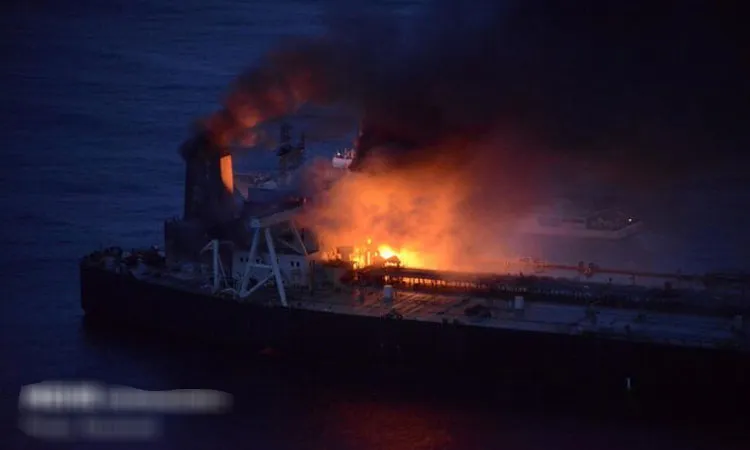
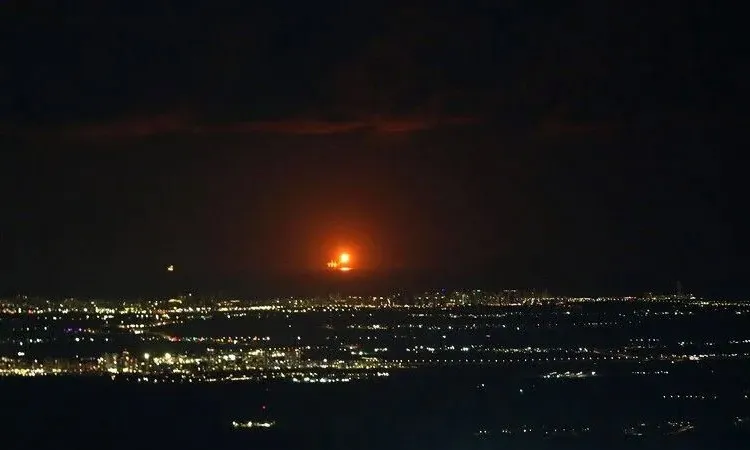
The Islamic Revolutionary Guard Corps (IRGC) launched a coordinated missile and drone strike, dubbed "Operation Nasr 2" targeting a U.S. early-warning radar and troop gathering at the Ali al-Salem airbase in Kuwait.

Meanwhile, Bahrain’s military confirmed its air defense systems intercepted and destroyed several Iranian aerial attacks targeting the kingdom.
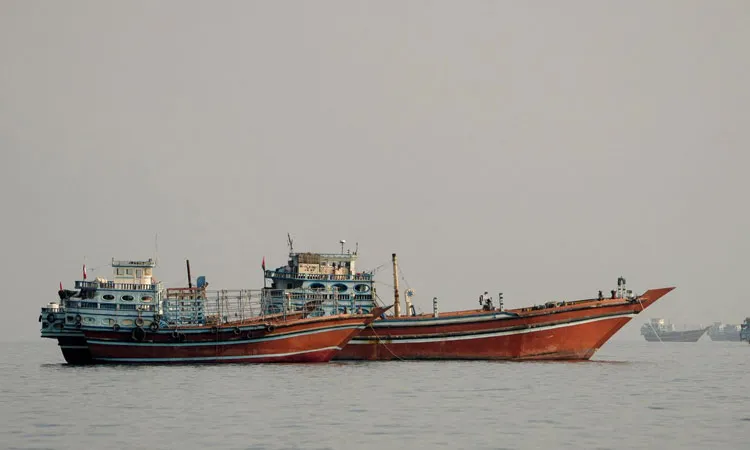
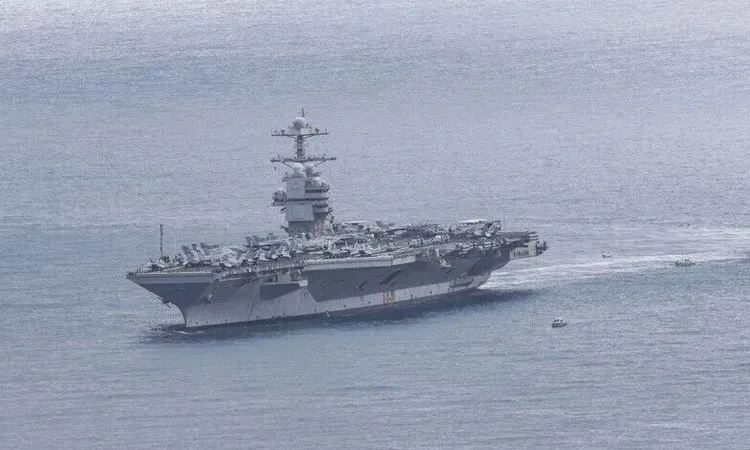
The latest surge in violence follows intense U.S. bombardment of Iran's southern coastline and major cities. The U.S. military has also reimposed a naval blockade to reopen the strategic Strait of Hormuz, which Iran blocked last week after a fragile truce collapsed. U.S. officials stated the strikes aim to dismantle Iranian coastal defenses and missile sites before executing more complex operations.

In response, Iranian military commanders issued severe warnings. Ebrahim Zolfaghari, spokesman for the Khatam al-Anbiya Central Command called that the Strait of Hormuz an unbreakable red line. He warned that if U.S. President Donald Trump carries out threats to target Iran's core infrastructure. Iranian military will retaliate by destroying all remaining infrastructure across the Gulf region. Tehran's top negotiator, Mohammad Baqer Qalibaf, declared that Iran is now locked in an "existential war" with America.
The continuous cycle of airstrikes has taken a heavy toll, with Iranian authorities reporting over 30 civilian casualties in the south. The fighting also forced the emergency evacuation of a children's cancer hospital in Ahvaz after projectiles landed nearby. Despite the rising regional tension, U.S. President Trump claimed that Iran would soon be defeated and forced to seek a settlement.