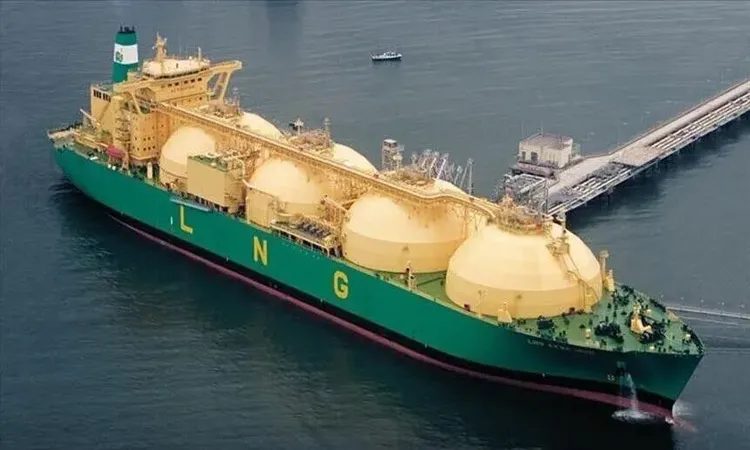
Asian liquefied natural gas (LNG) prices soared to their highest level since late March after military hostilities around the Strait of Hormuz disrupted shipments from the Persian Gulf, a region that supplies 20% of the world's LNG.
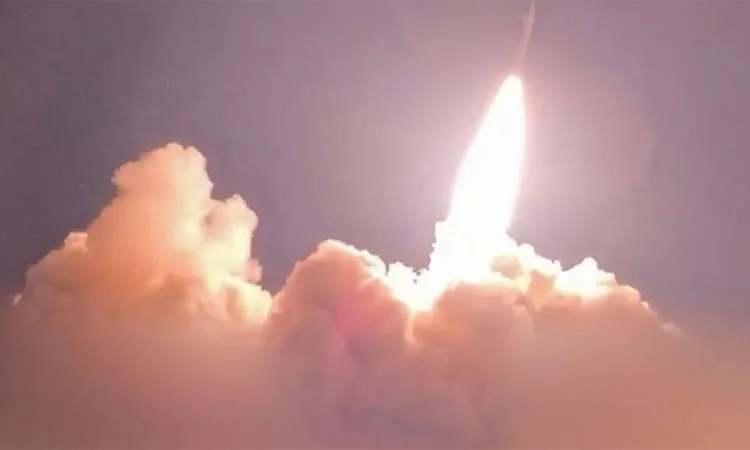
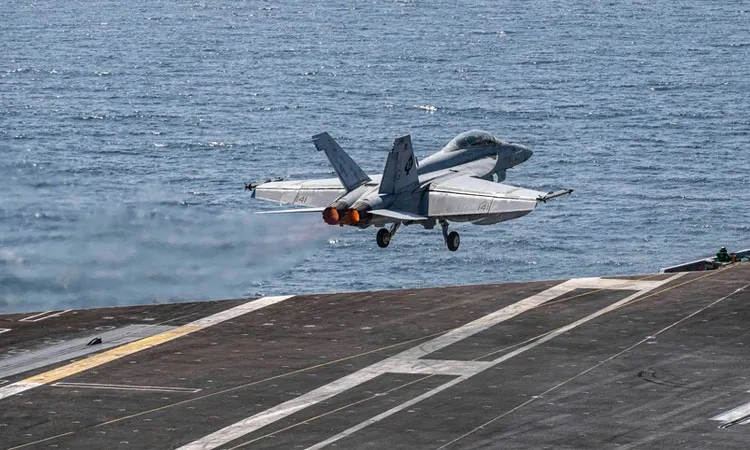
The Japan-Korea Marker (JKM), the benchmark for spot LNG deliveries in Northeast Asia, jumped nearly 20% in a single day to reach $19.93 per million British thermal units. The price surge follows a fresh wave of US airstrikes on Iranian coastal defenses and the reimposition of a naval blockade. In response, Iran declared the strait an inviolable "red line" and threatened to strike regional infrastructure if its own facilities are targeted.
The strategic waterway is crucial for Qatari LNG exports. With shipments restricted, major Asian buyers including Bangladesh and Pakistan are scrambling to secure alternative spot cargoes, driving up global competition and costs. Shipping data revealed that vessel traffic through the strait fell sharply, with only seven ships crossing on the first day of the US blockade compared to 13 the previous day.
Meanwhile, global oil markets remained highly volatile. Brent crude and U.S. West Texas Intermediate futures hovered near one-month highs, trading at $84.37 and $79.42 a barrel respectively.
Market analysts warn that continued instability could push crude prices toward the $100 mark, particularly as concerns grow that Iran might use allies to disrupt the Bab el-Mandeb gateway to the Red Sea, potentially choking a second vital global energy artery.