Peace talks between Washington and Tehran remain deadlocked over the reopening of the vital Strait of Hormuz and the dismantling of Iran's nuclear capabilities, despite local reports of an imminent breakthrough.
The White House on Wednesday flatly dismissed an Iranian state television report claiming a framework deal had been reached to lift the US naval blockade and restore shipping within a month, calling it a "complete fabrication." Publicly, both nations remain starkly at odds.
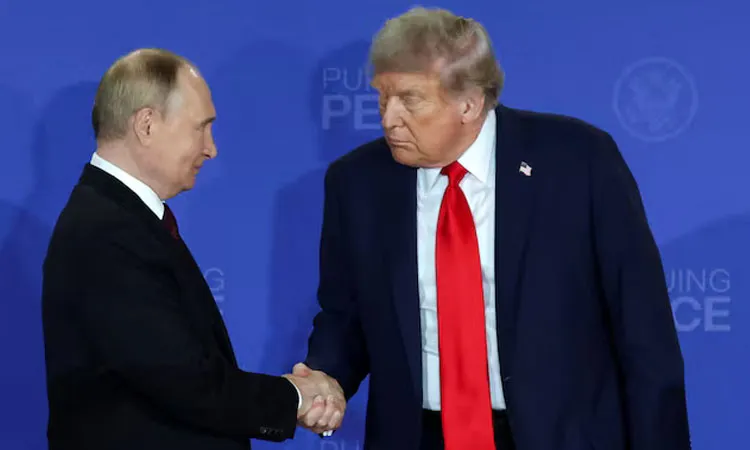
US President Donald Trump acknowledged that while Iran is highly intent on making a deal to end the conflict, the current terms do not satisfy Washington. "The deal has got to be perfect," Trump stated during a cabinet meeting, adding that the strategic waterway must open immediately with no single country holding absolute control. US Secretary of State Marco Rubio noted that while "some progress" has been made, the bottom line remains that "Iran is never going to have a nuclear weapon."
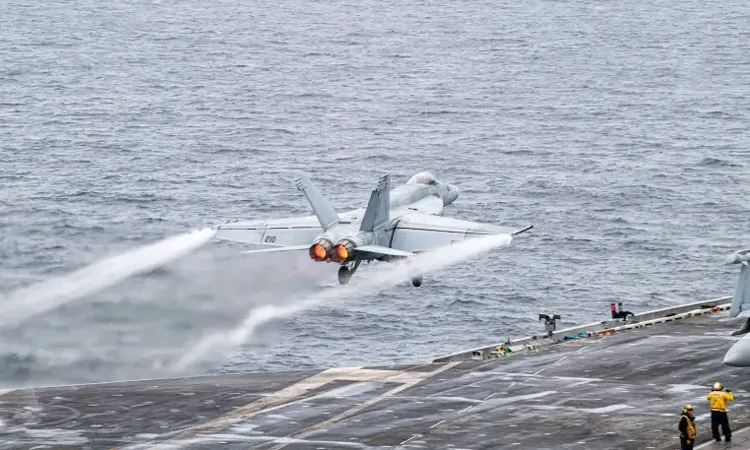
The ongoing conflict has choked global energy supplies through the strategic corridor—which previously handled a fifth of the world’s oil and liquefied natural gas (LNG)—causing an unprecedented oil supply shock that has spiked international fuel, fertilizer, and food costs. Currently, some 15,000 US troops are enforcing the blockade. The domestic political toll is also mounting for Trump, with polls showing the war is deeply unpopular just six months ahead of the US midterm elections.
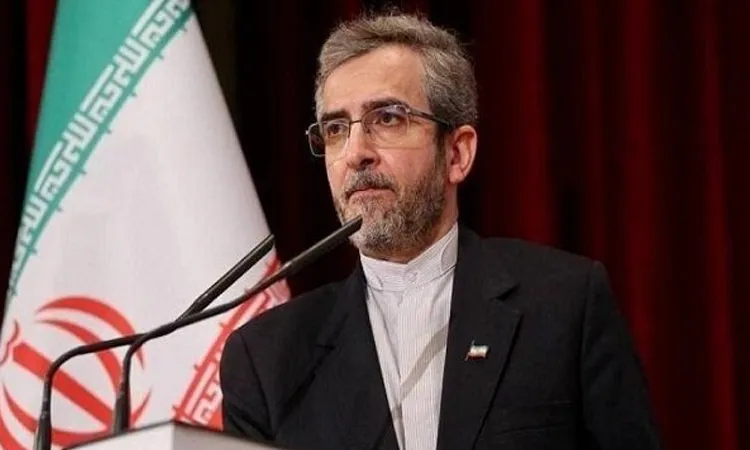
Compounding the diplomatic impasse, senior Iranian officials confirmed that Tehran is refusing to put its enriched uranium stockpiles on the current negotiating table. Speaking from the 14th International Security Forum in Moscow, Ali Bagheri, Deputy Secretary of Iran's Supreme National Security Council (SNSC), declared that highly enriched uranium is explicitly not on the agenda. Iranian Foreign Ministry spokesman Esmail Baghaei backed this stance, defending Iran’s NPT rights to peaceful nuclear energy and warning that forcing deep nuclear concessions at this stage would cause the talks to collapse entirely.
Regarding the maritime blockade, Bagheri emphasized that Iran and Oman are jointly negotiating a completely new transit mechanism for the Strait of Hormuz. He warned that future operational procedures will be "completely different" from pre-conflict norms.
For now, shipping remains severely crippled; the Islamic Revolutionary Guards Navy reported that only 23 commercial vessels were permitted passage over a 24-hour window, a fraction of the 125 to 140 daily ships that traversed the global choke point before the war.