- National
- Bangladesh
- Business
- International
- Sports
- Entertainment
- Politics
- Technology
- Life Style
- Religion
- Opinion
- FIFA World Cup 2026
Friday, 10 July 2026

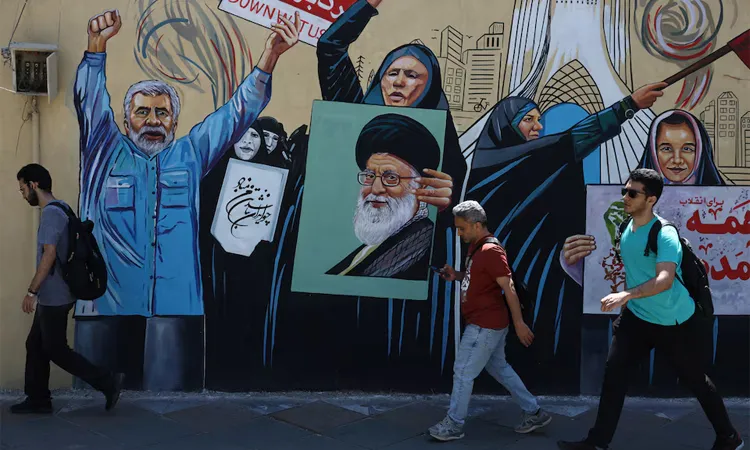
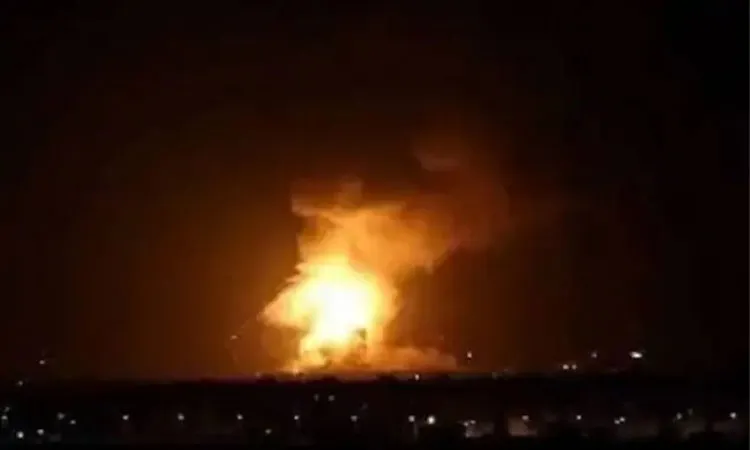
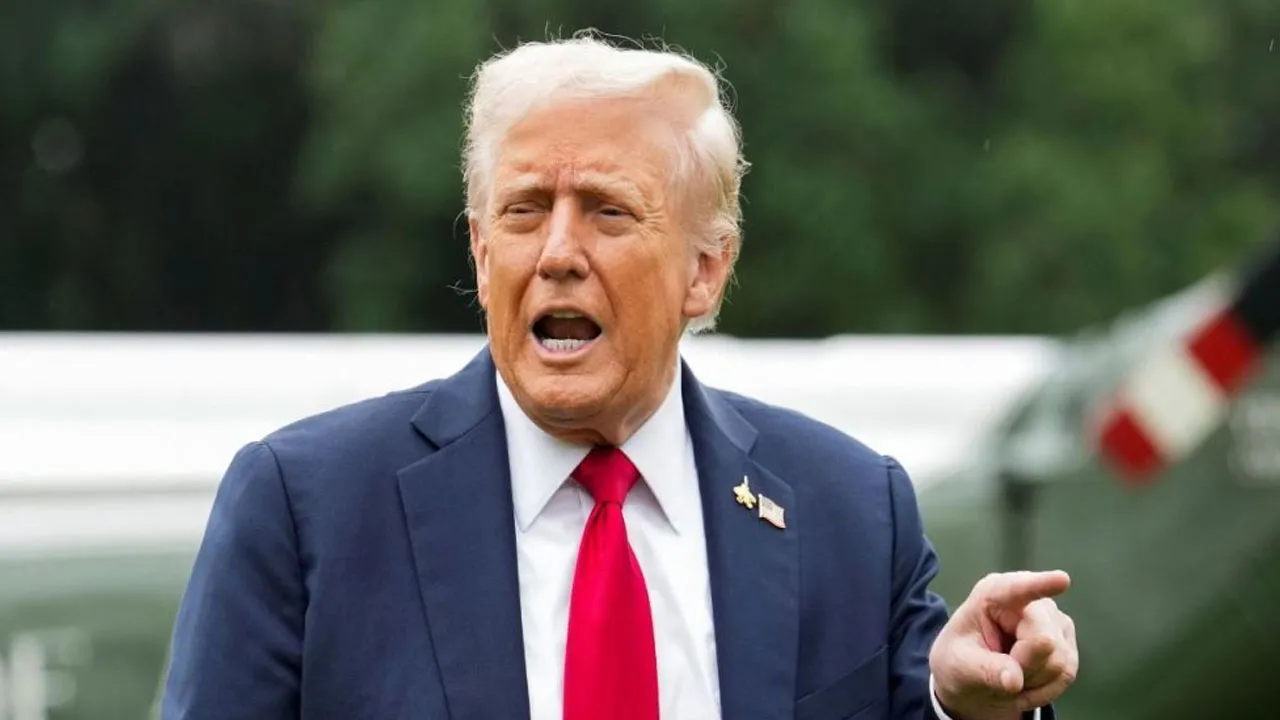
U.S. President Donald Trump on Monday described the ten-week-old ceasefire with Iran as being on "life support" after rejecting Tehran’s latest peace response as "garbage."
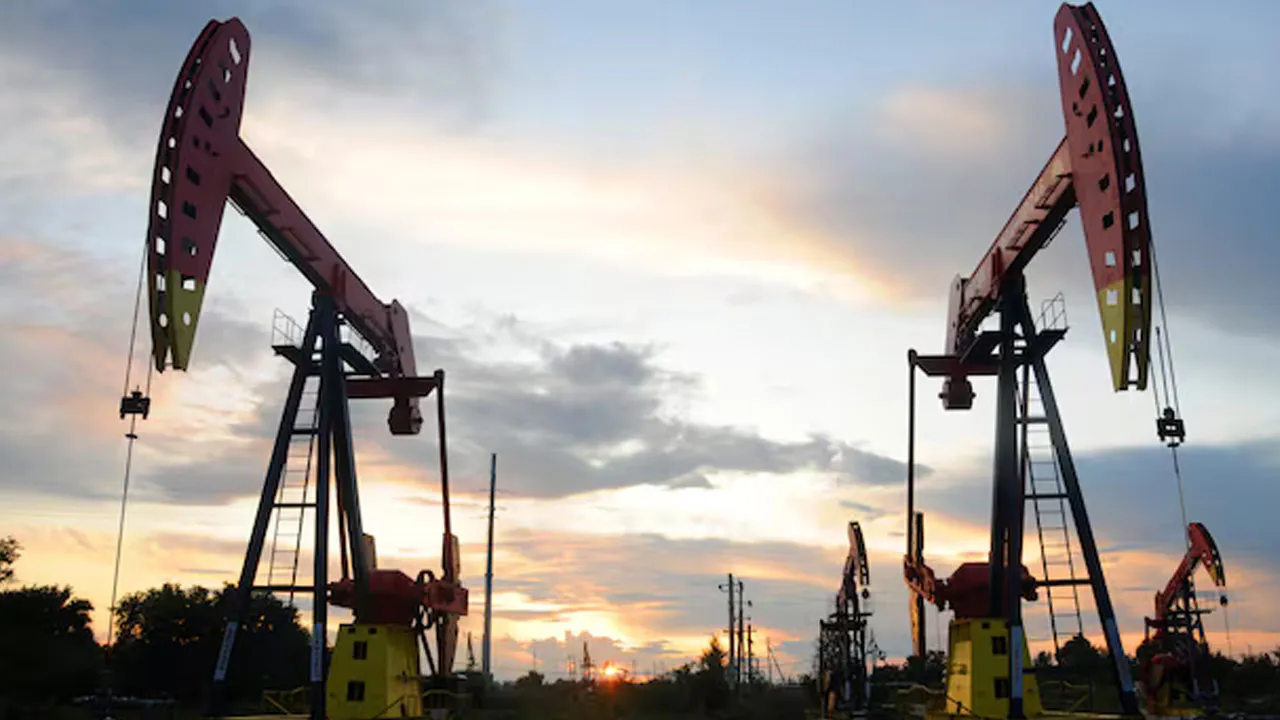
The escalating diplomatic deadlock sent Brent crude oil prices climbing 2.7% to $104 a barrel. The Strait of Hormuz, a vital artery for one-fifth of the world’s oil and gas, remains at a near-standstill. Current OPEC output has reportedly dropped to its lowest level in over two decades.

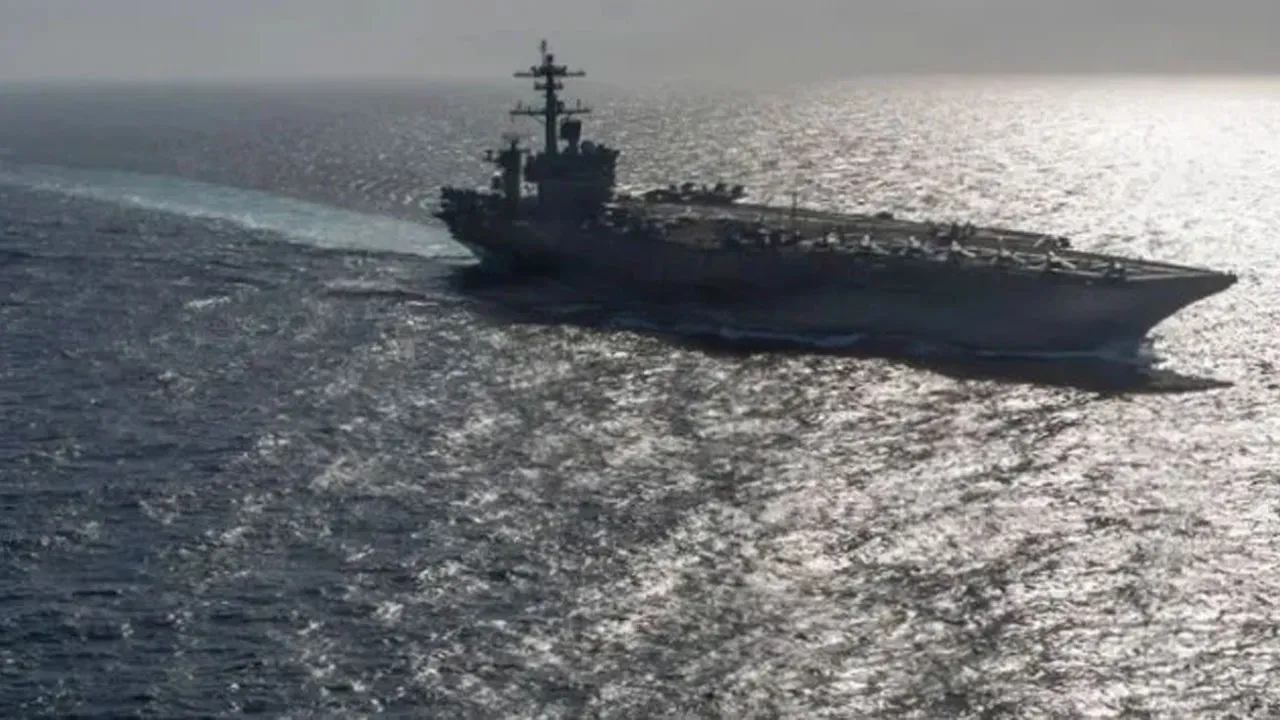
Washington’s proposal demands an immediate end to fighting before addressing Iran's nuclear program. In contrast, Tehran’s response—defended by Foreign Ministry spokesperson Esmaeil Baghaei—focuses on a comprehensive end to the war on all fronts, including Lebanon. Iran is also demanding compensation for war damages. An end to the U.S. naval blockade and the release of frozen assets also sovereignty over the Strait of Hormuz.

The conflict’s impact is being felt globally and domestically in the U.S., where rising gasoline prices are pressuring the Republican Party ahead of mid-term elections. While Trump insists a breakthrough is possible, NATO allies have notably refused to send ships to reopen the waterway without an internationally mandated mission.
In a move toward mediation, Turkish Foreign Minister Hakan Fidan is set to hold talks in Qatar on Tuesday. Meanwhile, President Trump is expected to arrive in Beijing on Wednesday to lean on Chinese President Xi Jinping to influence Tehran toward a deal.
Despite the fragile pause in all-out warfare since April, Israeli Prime Minister Benjamin Netanyahu cautioned that the war is not over, citing the need to dismantle Iran’s nuclear facilities and ballistic capabilities.