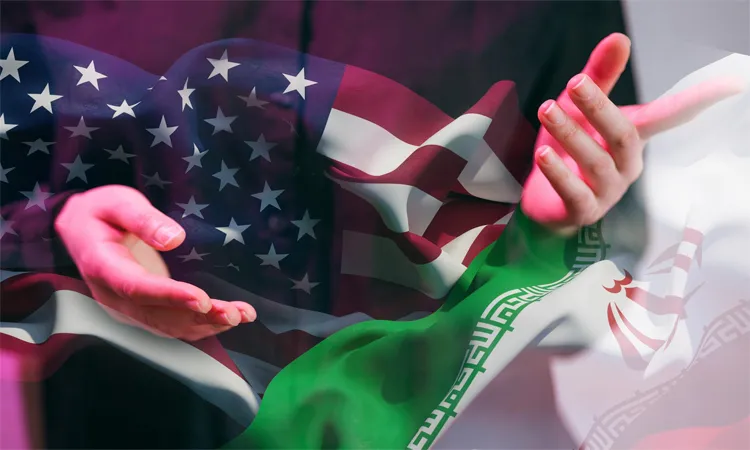
Tensions between the United States and Iran showed signs of easing on Wednesday as both nations moved toward a diplomatic framework to end their 67-day conflict. While President Donald Trump noted it is "too soon" for face-to-face talks, reports suggest the two sides are nearing a one-page agreement to halt hostilities.
The proposed 14-point memorandum, reportedly mediated by Pakistan, aims to formally end the war. If signed, it would lead to further discussions on reopening the Strait of Hormuz, lifting U.S. sanctions, and addressing Iran's nuclear program.

Despite the diplomatic progress, President Trump maintained a firm stance. In a social media post, he warned that while the "Epic Fury" military campaign could end soon, "the bombing starts" at a much higher intensity if Iran refuses the agreed terms. He also cited the mediation efforts of Pakistan’s Army Chief, Gen. Asim Munir, as a key factor in the ongoing negotiations.

In Tehran, the Iranian Foreign Ministry confirmed that messages are being exchanged through Pakistani mediators. Spokesperson Esmaeil Baghaei stated that reviews of the proposed texts are ongoing, and a formal response is expected soon.

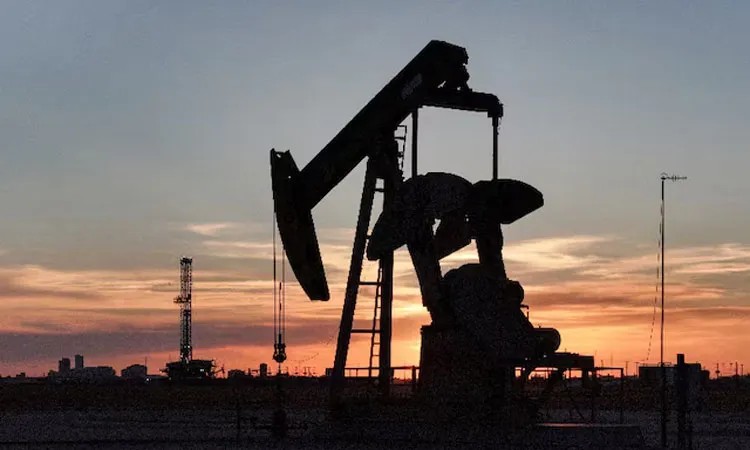
The prospect of peace has already impacted global markets. Oil prices tumbled to two-week lows, with Brent crude dropping to approximately $98 a barrel, while global share prices rose on hopes of stabilized energy supplies.
However, the situation remains volatile. While Trump paused a naval mission to reopen the Strait of Hormuz, U.S. Central Command reported that military forces disabled an Iranian-flagged tanker on Wednesday for attempting to violate the ongoing blockade.