- National
- Bangladesh
- Business
- International
- Sports
- Entertainment
- Politics
- Technology
- Life Style
- Religion
- Opinion
Wednesday, 06 May 2026

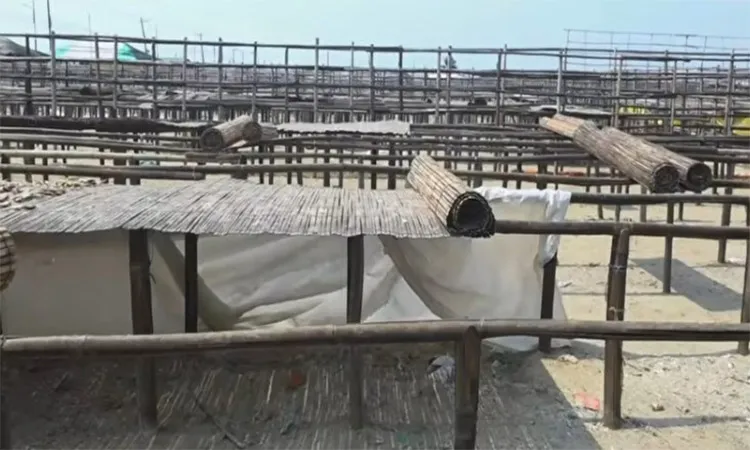
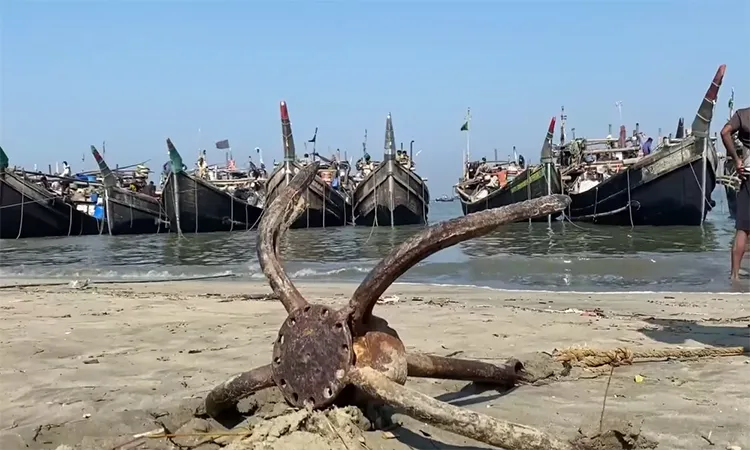
The vibrant noise of the Nazirartek "Shutki Mahal" has been replaced by a heavy silence. Thousands of bamboo scaffolds, once draped with fresh sea fish, now stand empty as the district’s dried fish industry faces a severe raw material shortage.
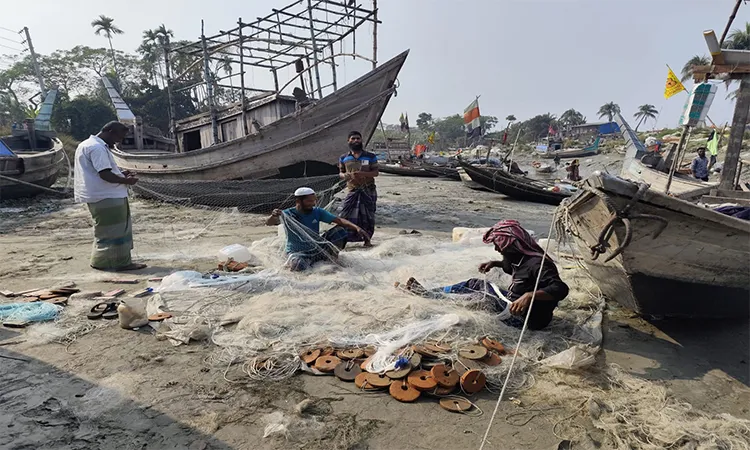
A combination of climate change-driven fish scarcity and a 58-day government fishing ban has crippled the sector. Over 650 processing yards (chatal) have shut down, leaving nearly 40,000 workers unemployed and threatening an industry with an annual turnover of Tk 500 crore.
According to local traders, production has plummeted by 80%. While the peak season typically runs from October to May, the government ban—effective from April 15 to protect breeding has completely choked the supply chain.
"We are counting losses in the hundreds of crores," said Abdul Karim, a yard owner. "Without fish, there is no work. My workers can’t pay rent, and I am struggling to cover maintenance costs and bank interests."

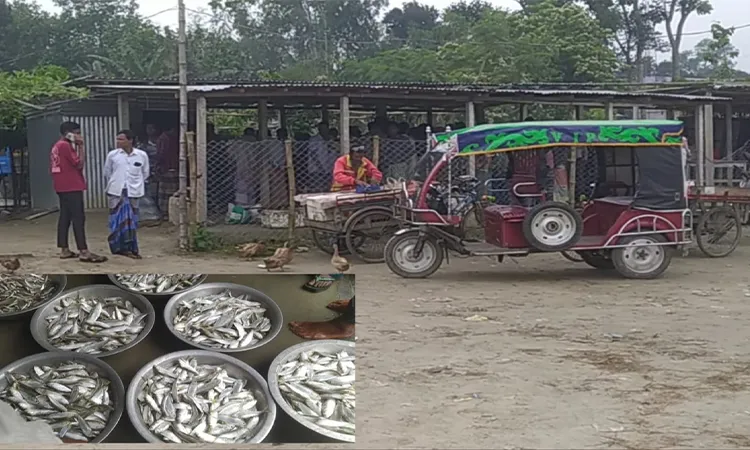
The supply crunch has hit the local market hard. Prices have surged by 30% to 40% across the board:
Hilsa (Dried): Rose from Tk 800 to Tk 1,200 per kg.
Loitta, Poya, Churi, and Shrimp: Significant price hikes reported.
To meet domestic demand, some traders are now forced to rely on imported fish rather than the local catch that Cox’s Bazar is famous for.
For workers like Roxana Akhtar, the silence is a matter of survival. "My family of six depends on my daily wages from cutting and drying fish. Now, we are relying on loans and neighbors just to eat," she said.
Trawler owners and traders are calling for government incentives or subsidies during the ban period to help them manage bank installments and basic living expenses.
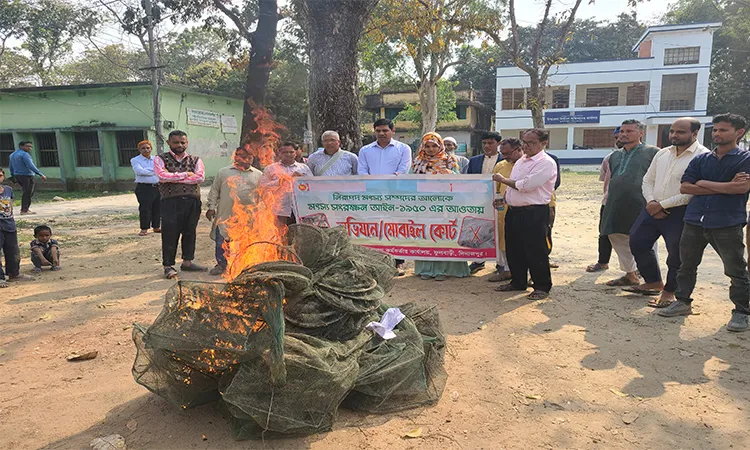
District Fisheries Officer Nazmul Huda emphasized that the 58-day ban is essential for long-term sustainability. "If we do not protect fish during the breeding season, production will collapse in the future," he explained, adding that the government is providing assistance to registered fishermen.
However, the "invisible crisis" of climate change remains a lingering threat, as changing sea conditions continue to reduce the availability of fish even outside the ban period.
Comment