Regional tensions have reached a critical point following a deadly encounter in the Strait of Hormuz and a coordinated missile strike on the UAE. The escalation has placed a fragile month-old ceasefire on the brink of collapse.
Iranian state media reports that five people were killed after U.S. forces targeted what Tehran describes as civilian cargo boats traveling from Oman. The U.S. Central Command countered this, stating its helicopters eliminated "small boats" that were actively threatening commercial shipping.

Mohammad Baqer Qalibaf, Speaker of the Iranian Parliament, warned that a "new equation" is emerging. He accused the U.S. and its allies of endangering energy transit through a naval blockade. "Iran has not even started yet," Qalibaf posted on X, signaling that further retaliation may be imminent.
UAE Refinery Hit in Coordinated Attack
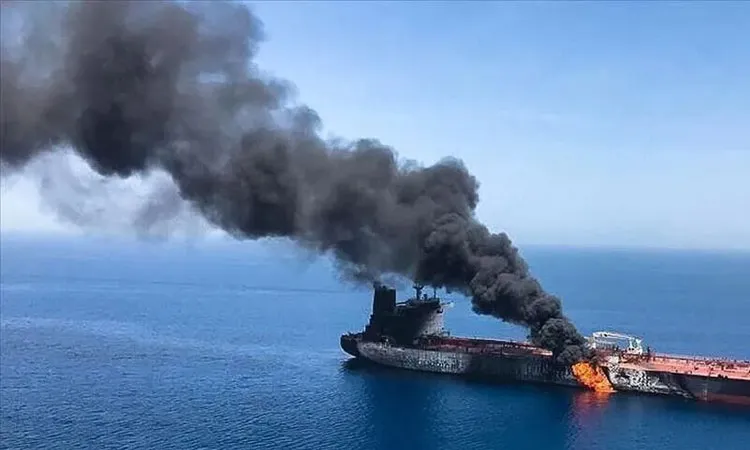
The UAE Defense Ministry reported a significant attack involving ballistic missiles, cruise missiles, and drones launched from Iran. While most projectiles were intercepted, at least one struck near the Fujairah energy hub, sparking a refinery fire and injuring three Indian nationals.
Though Iran has not claimed responsibility, the UAE has pointed the finger directly at Tehran. This marks the most violent breach of the ceasefire since it began in early April.
A Region on Edge
The current friction follows a devastating 40-day conflict that began in late February, which saw the martyrdom of Iran’s top leadership and subsequent massive retaliatory strikes across the Persian Gulf. During that period, over 6,400 missiles and drones were launched across the region, primarily targeting the UAE.
Gulf nations, including Saudi Arabia and Qatar, have condemned the latest strikes, fearing a return to full-scale war. For now, the strategic Strait of Hormuz remains under heavy Iranian restriction, with passage conditioned on Tehran's direct permission.