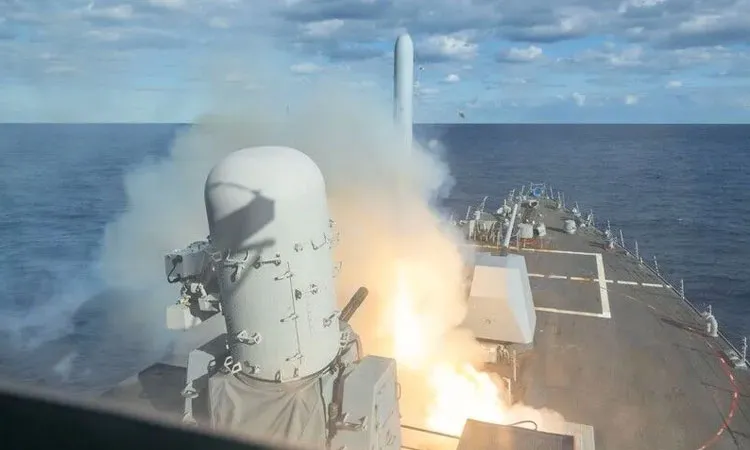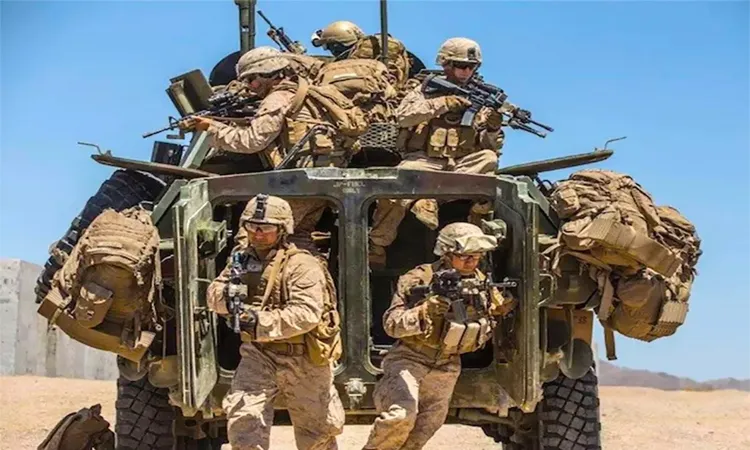
The United States is deploying a large amphibious assault ship along with thousands of Marines and sailors to the Middle East as tensions with Iran continue to escalate, according to U.S. officials.
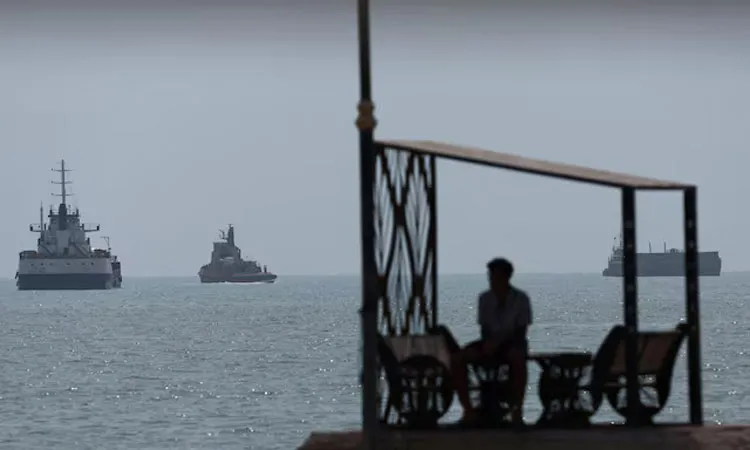
The move comes amid growing concerns over the prolonged conflict involving the U.S., Israel, and Iran, now entering its fourth week. Washington is reportedly considering broader military options, including potential ground operations, to reopen the strategically vital Strait of Hormuz, which Iran has effectively shut following earlier attacks.
The closure of the strait—through which around 20% of global oil and gas supplies pass—has triggered a sharp surge in global energy prices. Brent crude is hovering near $110 per barrel, with prices rising প্রায় 50% since the conflict began. Analysts warn that the disruption could have long-term impacts on global energy markets, with supply shortages likely to persist for months.
Former U.S. President Donald Trump criticised allies for refusing to join military efforts to reopen the strait, calling them “cowards” in a social media post. However, several Western nations, including Germany, France, the UK, Italy, and Canada, have indicated willingness to support safe navigation—but only after hostilities end.

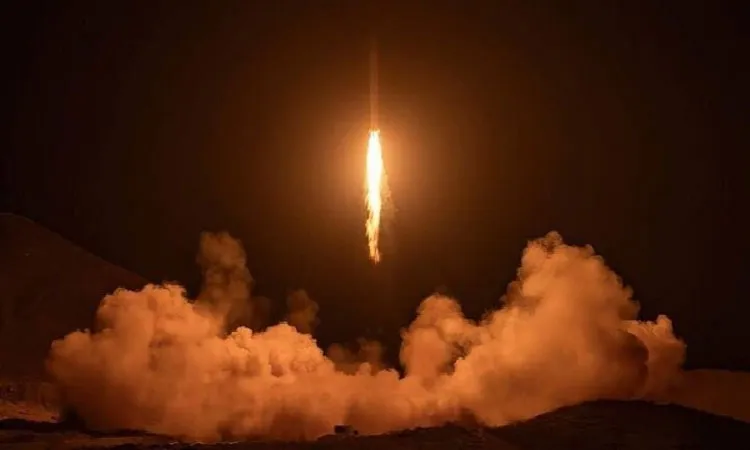
On the ground, military activity continues. Israel claims it has carried out strikes on Iranian government and intelligence targets, killing senior officials. In response, Iran has launched missile and drone attacks targeting Israeli cities and U.S. bases in the region.
Iran’s new supreme leader, Mujtaba Khamenei, in a Nowruz message, praised national “unity” and “resistance,” signalling no immediate de-escalation.
Meanwhile, attacks have expanded across the region. Kuwait reported drone strikes on a major refinery, while earlier Iranian retaliation hit Qatar’s energy infrastructure, raising concerns of prolonged global gas shortages.
The war has already caused thousands of deaths and displaced millions, particularly in Iran and Lebanon. With no clear diplomatic breakthrough in sight, fears are growing that the conflict could widen further, deepening both humanitarian and economic crises worldwide.