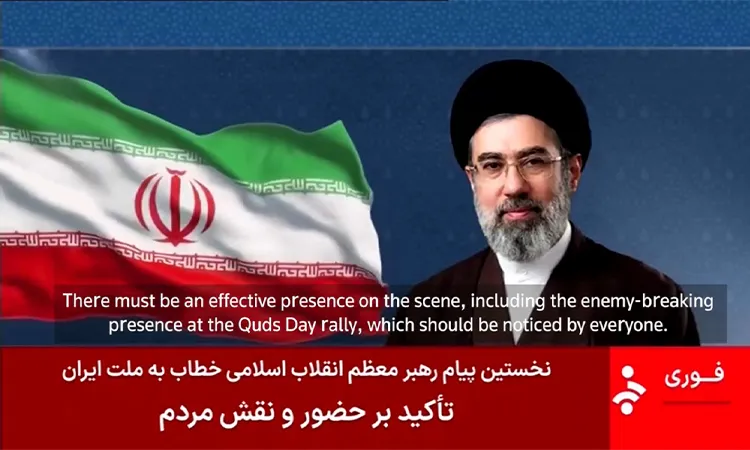
Mojtaba Khamenei, Iran’s newly appointed supreme leader, has called for the continued closure of the Strait of Hormuz to increase pressure on the United States and Israel as the Middle East conflict intensifies.
In his first public statement since being named supreme leader, Khamenei said the vital oil shipping route should remain blocked. His message was read by a presenter on state television on Thursday, as he has not appeared in public following reports that he was injured in an air strike.

Khamenei succeeded his father, Ali Khamenei, who was reportedly killed during the initial wave of attacks launched by the United States and Israel at the start of the war.
“The leverage of blocking the Strait of Hormuz must definitely be used,” Khamenei said, referring to the narrow waterway through which roughly a quarter of the world’s oil and liquefied natural gas shipments normally pass.
He also urged Gulf countries to close American military bases in their territories, claiming the United States had failed to provide security in the region.

Iran has continued retaliatory strikes against energy and shipping targets across the Gulf. The attacks briefly pushed global oil prices above $100 per barrel and raised fears of a major disruption in global energy supply.
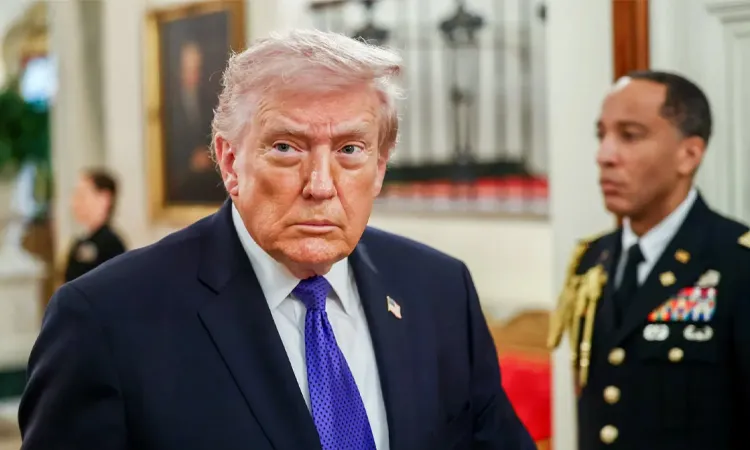
Despite concerns about rising oil prices, U.S. President Donald Trump said stopping Iran’s nuclear ambitions remained his top priority.
“Of far greater interest and importance to me is stopping an evil empire, Iran, from having nuclear weapons and destroying the Middle East and the world,” Trump wrote on social media.
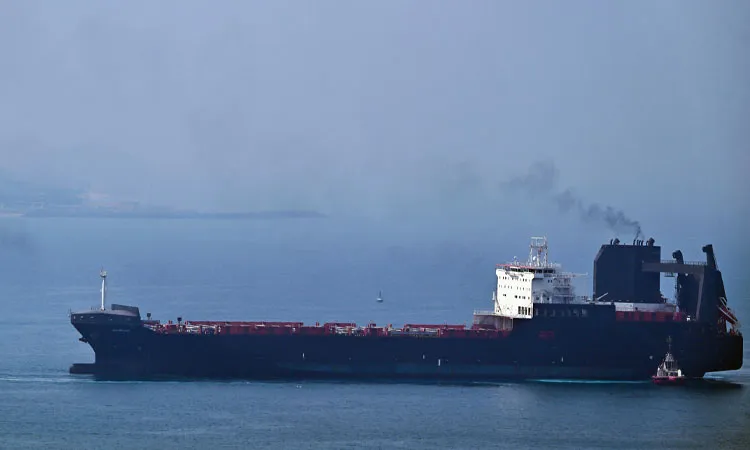
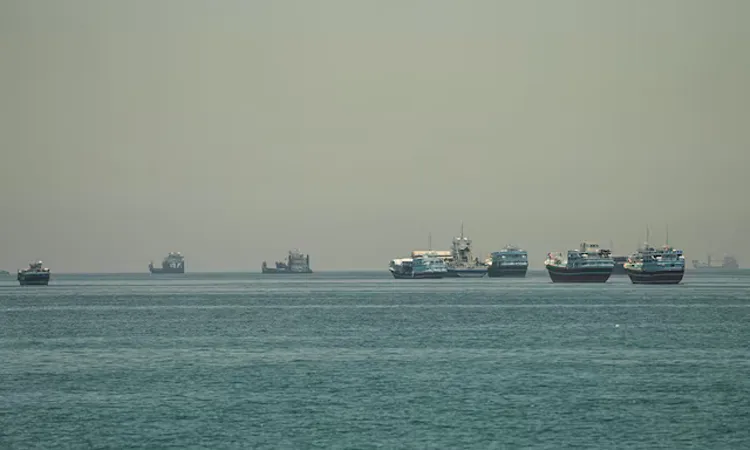
The conflict has already disrupted shipping through the Strait of Hormuz, with several vessels attacked in recent days. At least three ships were reportedly targeted near the coast of the United Arab Emirates and southern Iraq.
Images from Muharraq showed thick smoke rising after a strike on fuel storage tanks, while drone attacks caused damage at Kuwait International Airport and parts of downtown Dubai. Saudi Arabia said it intercepted drones heading toward its Shaybah oil field.
The International Energy Agency warned that the 13-day conflict could trigger the largest oil supply disruption in modern history, surpassing the crises of the 1970s.
Oil prices have already risen by around 40–50 percent since the United States and Israel launched strikes on Iran on February 28. Several Gulf states have reduced production, while many oil tankers remain stranded due to security risks.
Military tensions continue to spread across the region. Israel has expanded air strikes inside Iran, including attacks on facilities suspected of involvement in nuclear development. Satellite images show damage at the Parchin military complex southeast of Tehran.
Meanwhile, fighting has also intensified in Lebanon after the Iran-backed group Hezbollah launched new operations against Israel. Israeli Defence Minister Israel Katz said Israeli forces were preparing to widen their attacks in Lebanon.
The war has caused a growing humanitarian crisis. Authorities say more than 687 people have been killed in Lebanon, while over 800,000 residents have been displaced. In Iran, the UN refugee agency estimates that more than three million people have fled their homes due to the conflict.
Iran’s health ministry has reported more than 1,200 deaths in the country since the war began, though the figures could not be independently verified.
In Israel, officials say 14 people have been killed so far. Attacks in the Gulf region have also left at least 24 people dead, including civilians and U.S. military personnel.
The conflict has already cost the United States more than $11 billion, according to figures presented to lawmakers in a Pentagon briefing.
The Strait of Hormuz is one of the world’s most important energy chokepoints, with roughly 20–25% of global oil and liquefied natural gas shipments normally passing through the narrow waterway.