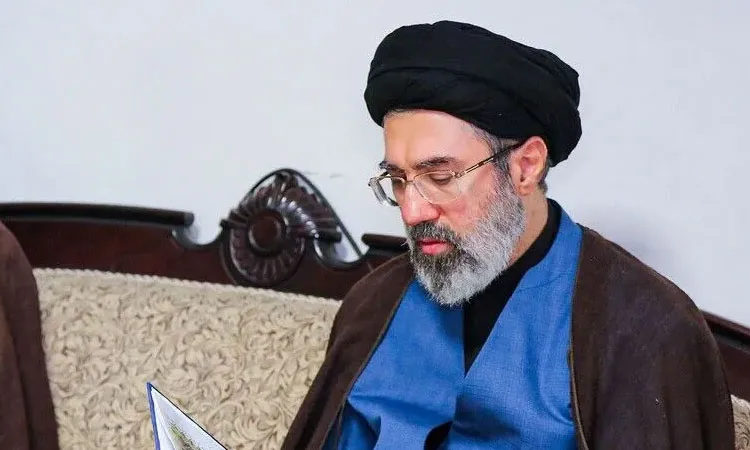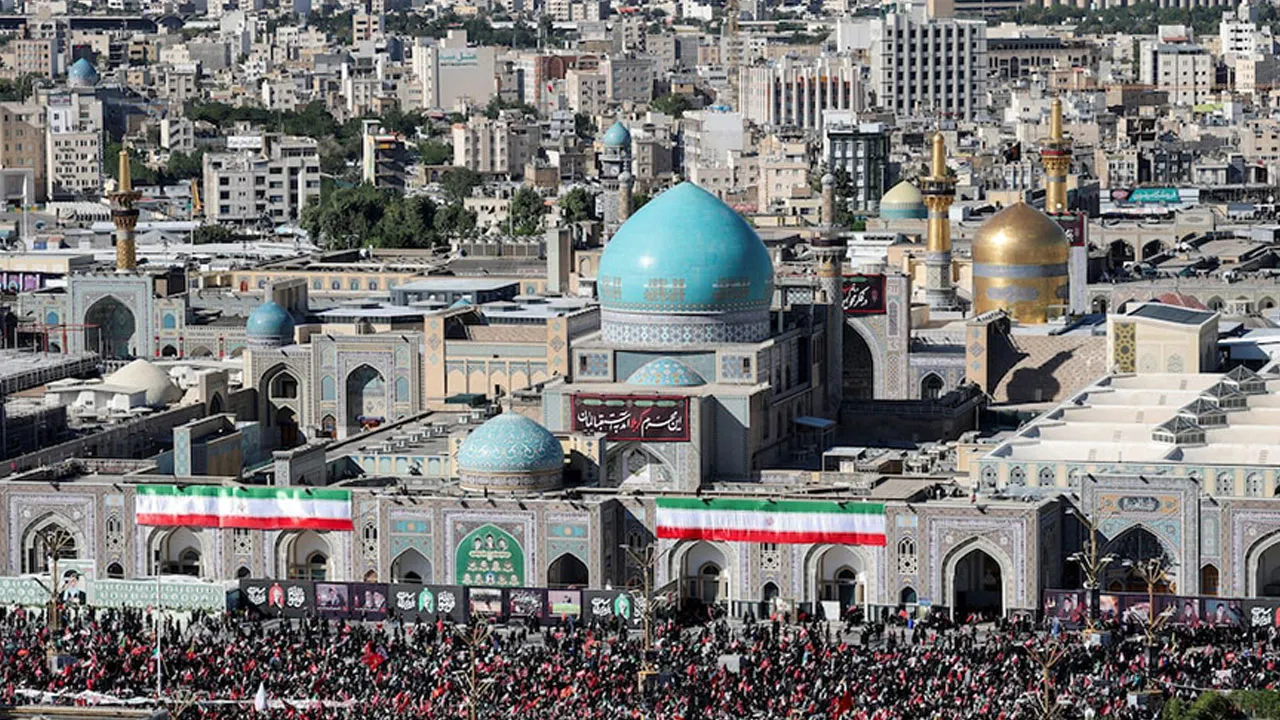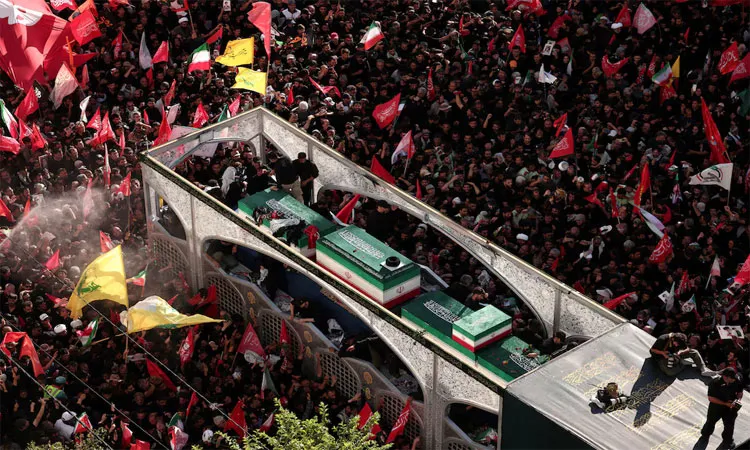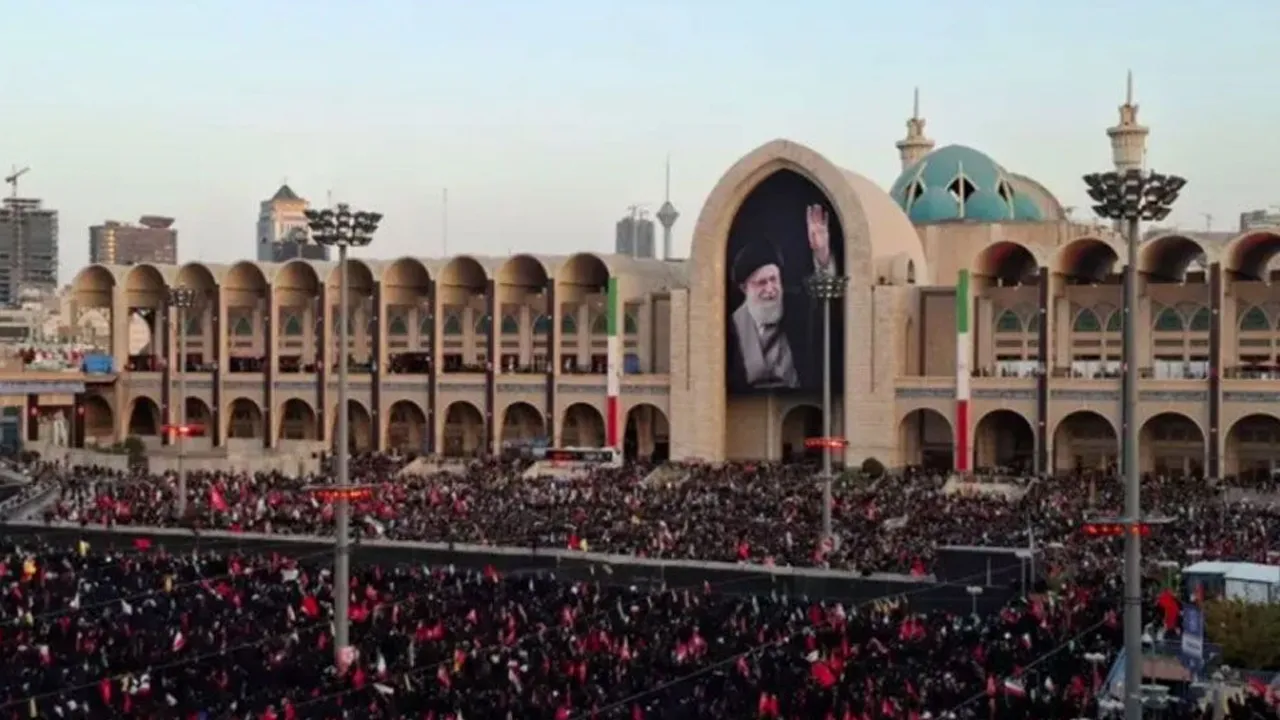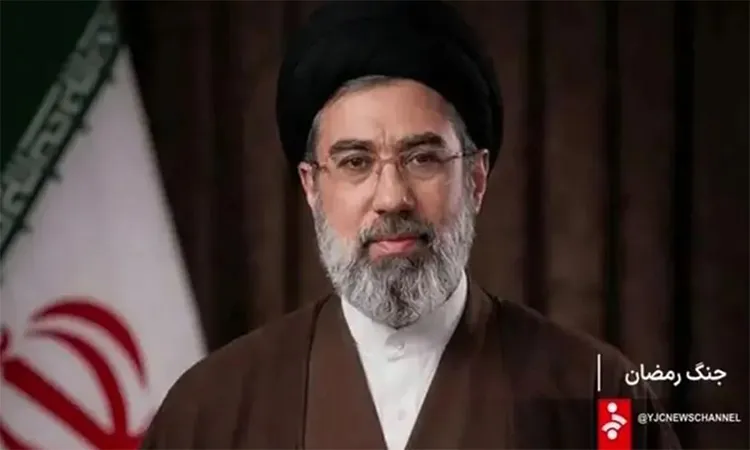
Iran has appointed Mojtaba Khamenei as the country’s new supreme leader following the death of his father Ali Khamenei, who was killed during the early days of the ongoing conflict involving the United States and Israel.
The decision was announced after a vote by the Assembly of Experts, the clerical body responsible for selecting the country’s supreme leader. The 88-member council called on Iranians to support the new leader and maintain national unity.
Hardline leadership continues
The appointment of Mojtaba Khamenei, 56, signals that conservative factions remain firmly in control of the Islamic Republic. He has long been considered one of the most influential figures within Iran’s political and security establishment.

Although he has never held elected office, Mojtaba Khamenei has maintained strong ties with the Islamic Revolutionary Guard Corps (IRGC) and is believed to wield significant influence within Iran’s security institutions.
His rise to power comes during the tenth day of a widening regional conflict involving Iran, the United States, and Israel, with missile and drone strikes reported across several Middle Eastern countries.
Oil prices surge amid supply fears
Global energy markets reacted sharply to the escalating conflict. Oil prices surged more than 25 percent on Monday as concerns grew over disruptions to shipments through the Strait of Hormuz, a key route that handles roughly one-fifth of global oil and liquefied natural gas supplies.
Brent crude rose to about $117 per barrel, while US West Texas Intermediate crude climbed above $116 per barrel, marking one of the largest single-day increases in recent years.
The surge followed reports that several Middle Eastern oil producers have reduced output or halted shipments due to security risks in the region.

Attacks across the region
Military exchanges have continued across the Middle East. Drone and rocket attacks were reported near Baghdad, while strikes targeted energy infrastructure in Bahrain and military facilities in Erbil.
Israeli forces also reported operations in central Iran and air strikes in Beirut, where several people were killed in an attack on an apartment building.
According to Iranian officials, more than 1,300 civilians have been killed since the conflict began.
Global concern grows
International leaders and religious figures have warned about the risk of a wider regional war. Pope Leo XIV called for an immediate end to hostilities and urged dialogue to prevent further escalation.
Meanwhile, financial markets across Asia fell sharply as rising oil prices and geopolitical tensions raised fears of global economic disruption. Japan’s Nikkei index dropped nearly six percent, while South Korean stocks also declined significantly.
Analysts say the appointment of Mojtaba Khamenei and the continuing conflict indicate that tensions in the Middle East may remain high in the coming weeks.