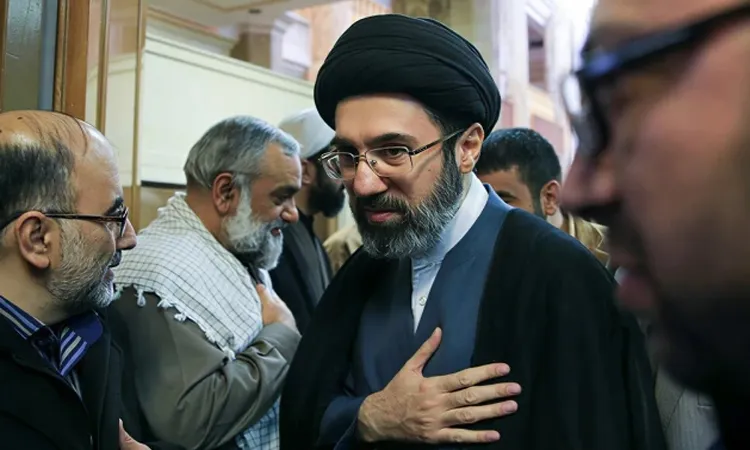
In a significant diplomatic and strategic shift, Iran’s newly appointed Supreme Leader, Ayatollah Seyyed Mojtaba Hosseini Khamenei, issued a stern yet nuanced message marking the 40th day since the death of his father, Ali Khamenei.
While emphasizing that Tehran does not seek an escalation of war, he asserted that Iran would "not renounce legitimate rights" and signaled a "new phase" in the management of the Strait of Hormuz. This development comes as a fragile two-week ceasefire, brokered by U.S. President Donald Trump, faces immediate scrutiny over stalled maritime traffic and mutual accusations of bad faith.

Mojtaba Khamenei’s message serves as his first major policy outline since taking the mantle. He described the current geopolitical climate as a continuation of his father’s legacy but introduced a "new phase" for the Strait of Hormuz.
The leader explicitly stated that Iran will pursue "legal and material accountability" for damages incurred during the recent conflicts.
Despite the talk of compensation, Khamenei maintained a militant stance, warning that Iranian forces remain "on the trigger" to respond to any perceived aggression from the U.S. or Israel.
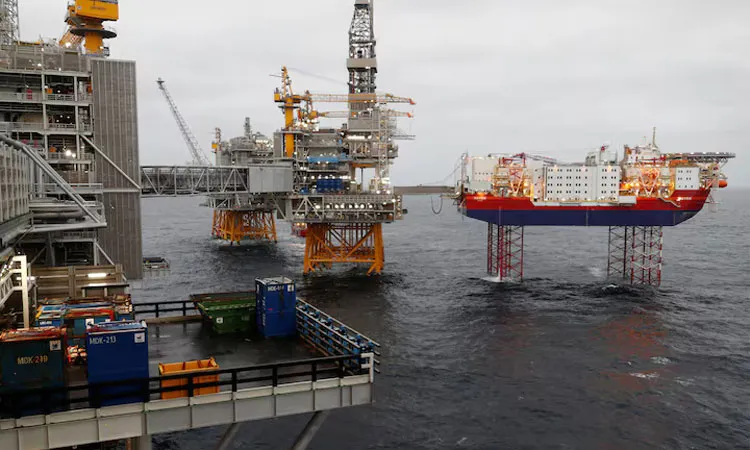
Despite the ceasefire, the world’s most vital energy artery remains effectively paralyzed. Over 600 vessels, including 325 tankers, remain stuck in the Gulf.

Pre-conflict levels saw 120–140 daily transits; current data shows a trickle of only 5–7 ships per day. UAE’s ADNOC CEO, Sultan Ahmed Al Jaber, has accused Iran of weaponizing the waterway, stating that passage is now subject to "permission and political leverage" rather than international maritime law.
Negotiations are set to begin this Saturday in Islamabad, Pakistan, aiming to turn the two-week pause into a long-term agreement. However, President Trump took to Truth Social to accuse Iran of a "dishonorable" failure to allow oil flow, claiming it violates the 10-point proposal.
Iranian Foreign Minister Abbas Araghchi countered by citing ongoing Israeli actions in Lebanon, suggesting the U.S. must control its ally for the ceasefire to hold.
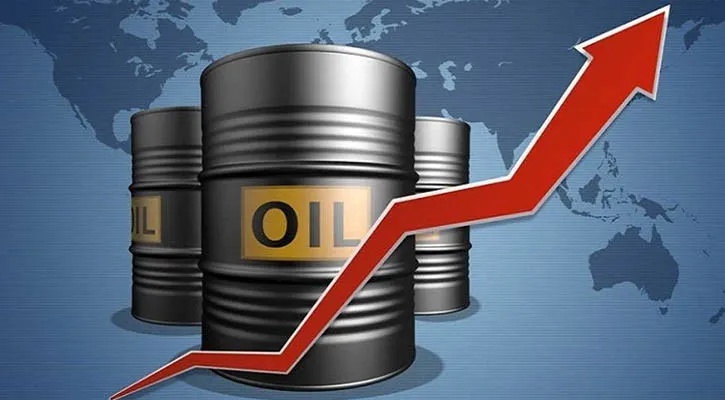
Oil Prices: After an initial dip following the ceasefire news, Brent crude has ticked back up to $96.39 as markets realize the Strait remains restricted.
Stock Markets: Asian markets (Nikkei, KOSPI, Hang Seng) opened higher on Friday, reflecting cautious optimism that the Islamabad talks might yield a breakthrough.