The fragile two-week ceasefire between the United States and Iran is under severe strain. On Thursday, Israel launched massive airstrikes in Lebanon, killing more than 250 people.
The attacks threaten to collapse the truce brokered by US President Donald Trump, while Iran continues its blockade of the Strait of Hormuz, causing historic disruptions to global energy supplies.
Iranian Deputy Foreign Minister Saeed Khatibzadeh condemned the Israeli strikes, calling them a "grave violation" of the ceasefire. Speaking to the BBC, he accused Israel of committing a "surprise attack" and a "sort of genocide" immediately after the truce was accepted.
Khatibzadeh warned Washington that it "must choose between war and ceasefire." He stated that if President Trump genuinely wants regional peace, the US must ensure its ally, Israel, abides by the agreement.

Israel, which invaded Lebanon last month to target the Iran-allied armed group Hezbollah, claims its military operations are not covered by the US-Iran ceasefire. Washington supports this stance, but Iran and mediator Pakistan argue that Lebanon was explicitly included in the deal.
Several nations, including key US allies Britain and France, have condemned Israel's recent attacks and insisted the truce should apply to Lebanon.
Despite the escalating violence, diplomatic efforts are still moving forward. Iranian negotiators are scheduled to meet a US delegation led by Vice President JD Vance in Pakistan on Saturday for the first peace talks since the war began.
However, Tehran has warned there will be no long-term agreement as long as Israel continues striking Lebanon.
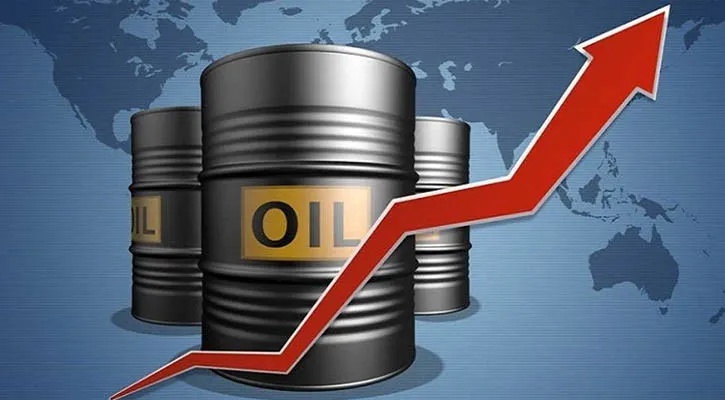
Furthermore, Iran has shown no signs of lifting its blockade of the Strait of Hormuz. The resulting supply shortage has driven oil prices for European and Asian refineries to record highs, nearing $150 a barrel, with prices for refined products like jet fuel surging even higher.
Amid the crisis, a significant diplomatic channel has opened. The foreign ministers of Iran and Saudi Arabia held their first official phone call since the war started.
According to the Saudi Ministry of Foreign Affairs, Saudi Foreign Minister Prince Faisal bin Farhan and Iranian Foreign Minister Abbas Araghchi discussed the latest developments and explored ways to reduce regional tensions to restore security and stability.