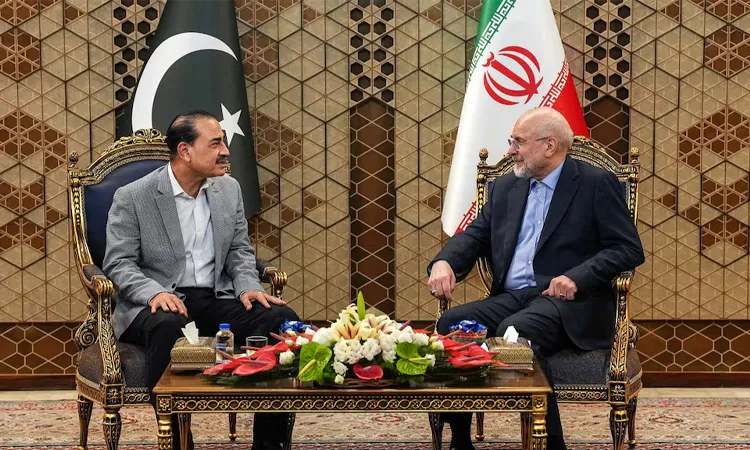
Envoys from Pakistan and Qatar are racing against time to finalize a 60-day ceasefire extension between the United States and Iran, aiming to halt a three-month war that has crippled global energy markets.
Officials from Washington, Tehran, and Islamabad confirmed on Saturday that negotiators are fine-tuning a Memorandum of Understanding (MOU). The proposed three-stage framework seeks to formally end the war, reopen the blockaded Strait of Hormuz, and set up a 30-day negotiating window for a broader diplomatic agreement.
The conflict began on February 28, 2026, when the US and Israel launched joint military operations against Iran. Pakistan brokered an initial two-week truce on April 8, which the Trump administration repeatedly extended.
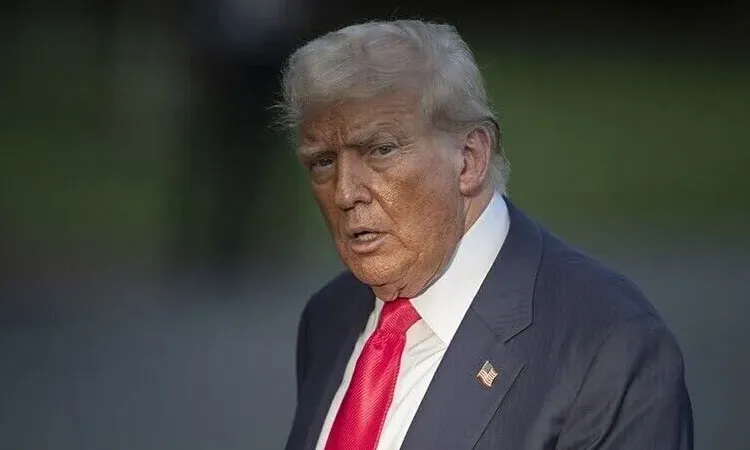
The current push seeks to lock in a stable two-month breathing room. However, the diplomatic progress remains shadowed by heavy rhetoric. US President Donald Trump stated he is reviewing the draft text with advisers and could decide by Sunday whether to resume airstrikes.
"Either we reach a good deal or I'll blow them to a thousand hells," President Trump told reporters, citing the crisis as the reason he is staying in Washington this weekend.
To build regional consensus, President Trump held a major summit call on Saturday with leaders from Pakistan, Saudi Arabia, Qatar, the UAE, Egypt, Turkey, Jordan, Bahrain, Kuwait, and Oman. Notably, Israel was not reported to be part of the call.

US Secretary of State Marco Rubio, speaking from New Delhi, confirmed that progress is being made but reiterated Washington’s core demands:
Iran must never acquire a nuclear weapon.
Tehran must hand over its enriched uranium stockpiles.
The Strait of Hormuz must reopen to international shipping without tolls.
Meanwhile, Pakistan’s Army Chief, General Asim Munir, concluded crucial shuttle diplomacy in Tehran after meeting Iranian Foreign Minister Abbas Araqchi and top negotiator Mohammad Baqer Qalibaf.
While Iranian officials noted a reduction in disputes, they issued stern warnings against renewed American aggression. Qalibaf warned that Iran's armed forces fully rebuilt their capabilities during the truce.
"If the United States foolishly restarts the war, the consequences will be more forceful and bitter than at the start of the conflict," Qalibaf stated, demanding an immediate end to the US naval blockade on Iranian ports and the lifting of oil sanctions.
The negotiations come as global energy markets face severe disruptions due to the closure of the Hormuz waterway, a vital chokepoint for world oil and gas supplies.