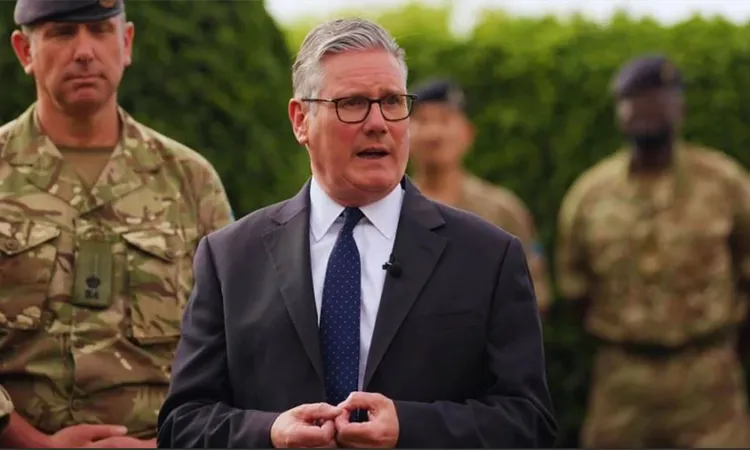
The UK will not support any US plan to impose a naval blockade on the Strait of Hormuz, Prime Minister Keir Starmer has said.
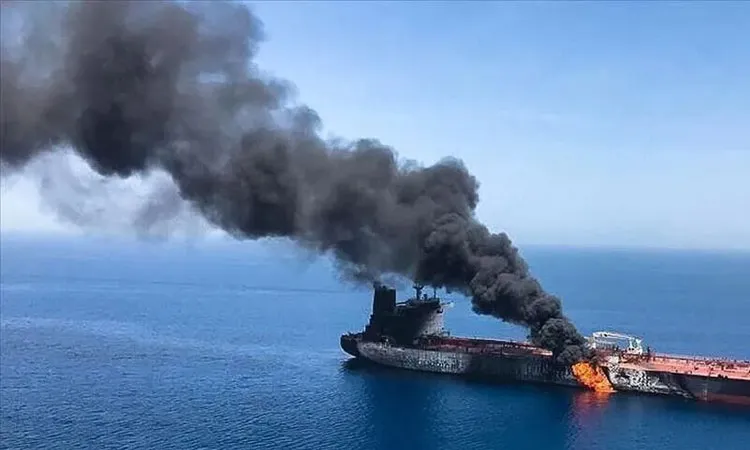
In a statement on Monday (April 13), Starmer made it clear that Britain will not be drawn into a war with Iran. He emphasized that keeping the Strait of Hormuz open is a top priority, given its importance to global trade and energy supply.
London has stepped up diplomatic efforts in recent days to ensure the waterway remains secure and open, and it intends to continue this approach.
Meanwhile, Germany has taken steps to ease pressure from rising fuel prices linked to the crisis. Chancellor Friedrich Merz announced a temporary cut in fuel taxes for two months to support households and businesses. Diesel prices will be reduced by about 17 euro cents per litre.
China has also expressed concern, urging all sides to exercise restraint. A Foreign Ministry spokesperson said stability in the Strait of Hormuz is essential for global energy security.
In the Middle East, tensions continue to escalate. Israel launched fresh strikes in southern Lebanon on Monday, targeting areas including Bint Jbeil, Al-Abbasiyah and Nabatieh. At least five people were reported killed, with rescue teams still searching through the rubble.
Separately, Palestinian human rights groups have filed a case in Australia’s Federal Court seeking disclosure of documents related to arms exports to Israel. The groups aim to determine whether Australian equipment has been used in possible human rights violations.
Japan has taken a cautious stance. Chief Cabinet Secretary Minoru Kihara said Tokyo has not decided on joining any military operations, including mine-clearing missions, and is prioritizing de-escalation and safe navigation.
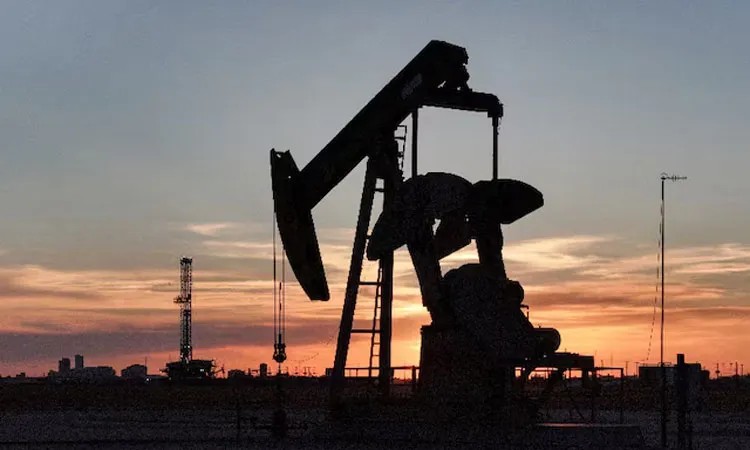
The crisis has deepened global divisions as the Iran conflict enters its 45th day. Oil prices have surged past $103 per barrel following US sanctions, while countries like the UK and China continue to call for restraint.