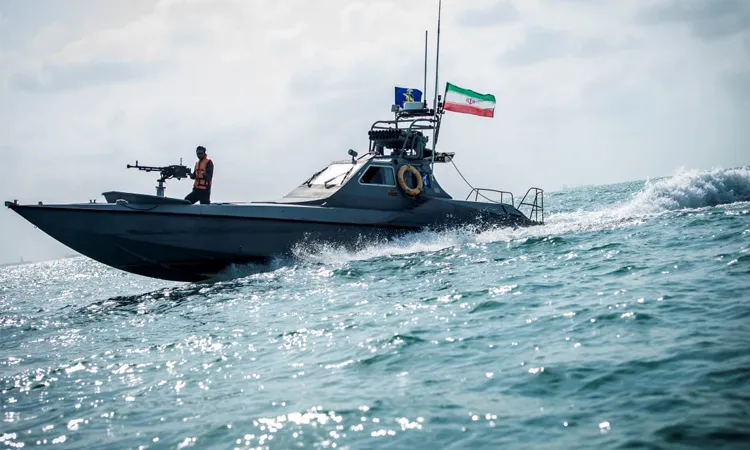
Global tensions reached a breaking point on Sunday as U.S. President Donald Trump announced an immediate naval blockade of the Strait of Hormuz.
The move follows the failure of marathon negotiations to secure a permanent deal, effectively ending a fragile two-week ceasefire.
U.S. to Interdict Vessels
In a series of statements, President Trump confirmed that the U.S. Navy would stop all ships entering or leaving the Strait. He further warned that any vessel in international waters found to have paid "tolls" to Iran would be interdicted. The U.S. military has also been tasked with clearing mines allegedly placed by Iranian forces in the waterway, which handles approximately 20% of the world's energy supply.

Iran Warns of "Harsh" Response
Iran’s Revolutionary Guard (IRGC) responded swiftly, declaring that any military vessels approaching the Strait would be viewed as a violation of the ceasefire. Tehran maintains that the waterway remains under their "intelligent control" and warned of a decisive military response to any perceived provocation.

Regional Fallout and UN Concerns
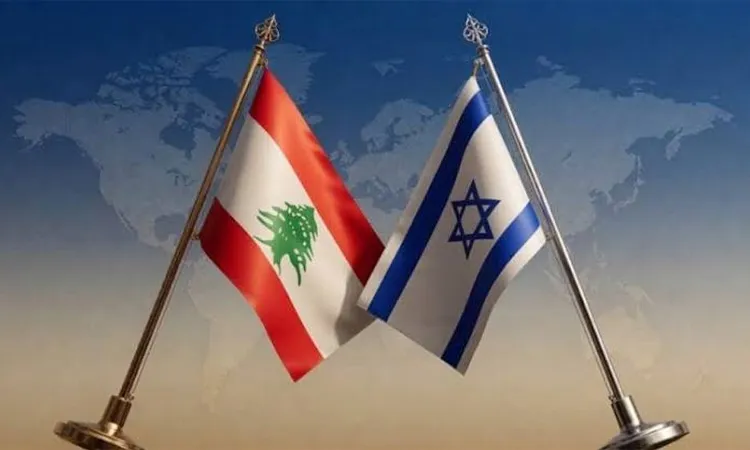
While President Trump expressed optimism that Iran would eventually return to the negotiating table, the ground reality remains grim. In a separate but related escalation, the UN Interim Force in Lebanon (UNIFIL) reported on Sunday that Israeli forces had rammed UN vehicles and fired warning shots near peacekeepers, further complicating the regional security landscape.