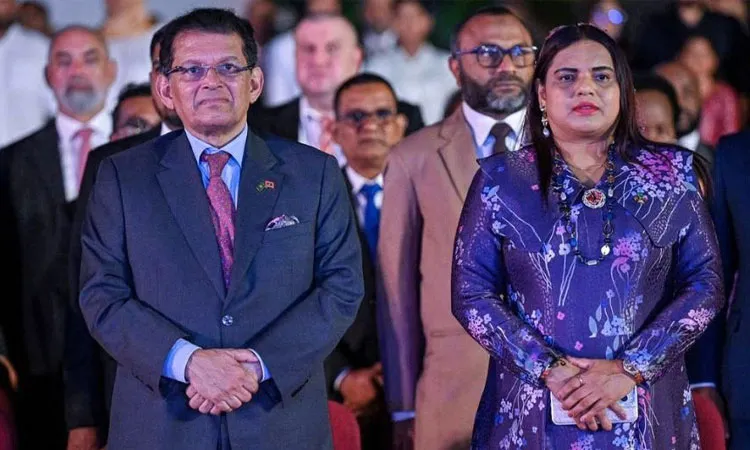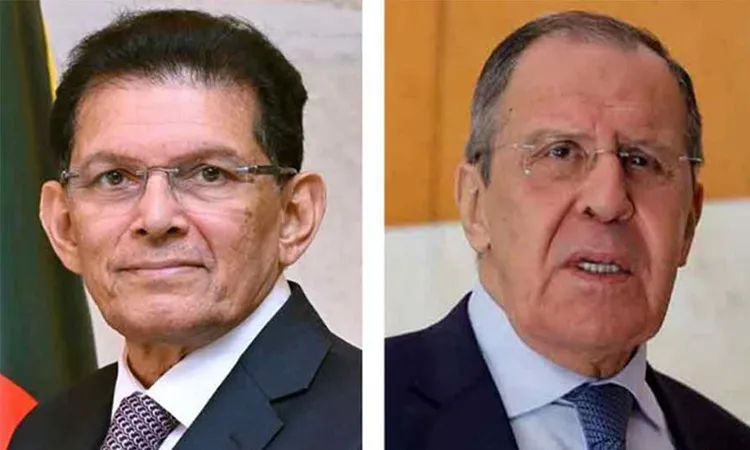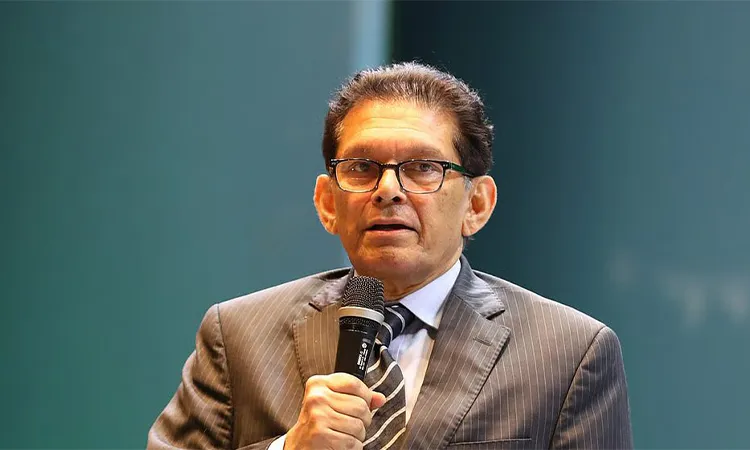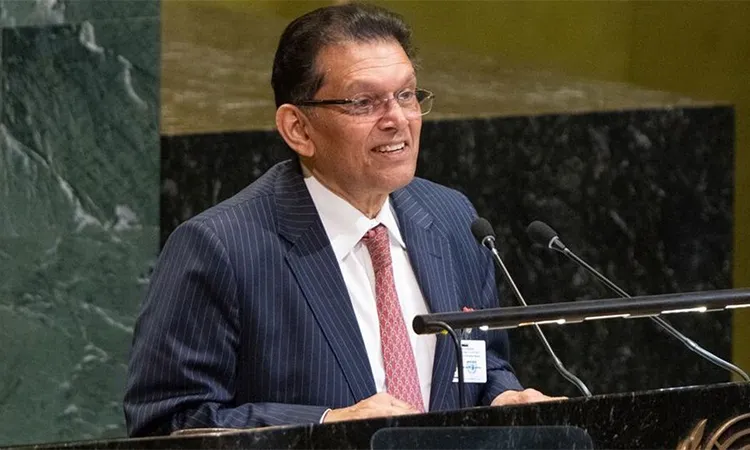
Bangladesh Foreign Minister Dr. Khalilur Rahman presented a six-point action plan focusing on global peace, sustainable development, human rights, and multilateral cooperation in his first official speech as President-elect of the 81st session of the United Nations General Assembly (UNGA).
Addressing the UN Headquarters in New York on Tuesday (June 2), Dr. Rahman expressed deep gratitude to the member states for their trust and support, accepting the presidency with humility. He thanked Bangladesh Prime Minister Tarique Rahman for his nomination, alongside the people of Bangladesh, his team, and the international well-wishers who backed his campaign. In a gesture of goodwill, Dr. Rahman praised his opponent, Andreas Kakouris of Cyprus, for running a constructive campaign that sets a positive precedent for future elections.The UNGA President-elect warned that the UN is navigating an exceptionally difficult period.
He noted that global conflicts, humanitarian crises, stalled development, and declining human rights are actively testing the organization's credibility. Furthermore, a growing financial crisis is placing new strains on UN operations. Committing to work closely with member states, Dr. Rahman identified peace and security as his top priorities. Drawing on Bangladesh’s extensive peacekeeping history, he highlighted the nation's vital contributions to international missions from Cyprus to Sudan. He called for a more integrated peacekeeping structure focused on conflict prevention, political resolution, peacebuilding, and civilian protection, while strongly advocating for greater female participation in these operations.
Addressing the Sustainable Development Goals (SDGs), Dr. Rahman acknowledged a significant gap in achieving the 2030 Agenda. He pledged concerted action with member states to meet outstanding targets ahead of the 2027 SDG summit. He also underscored the critical need for SDG financing, sustainable debt management, reform of the international financial architecture, and ensuring the meaningful participation of women and girls. Lastly, Dr. Rahman urged special attention to fulfilling international commitments, particularly the Doha Programme of Action for the development of the least developed countries (LDCs).