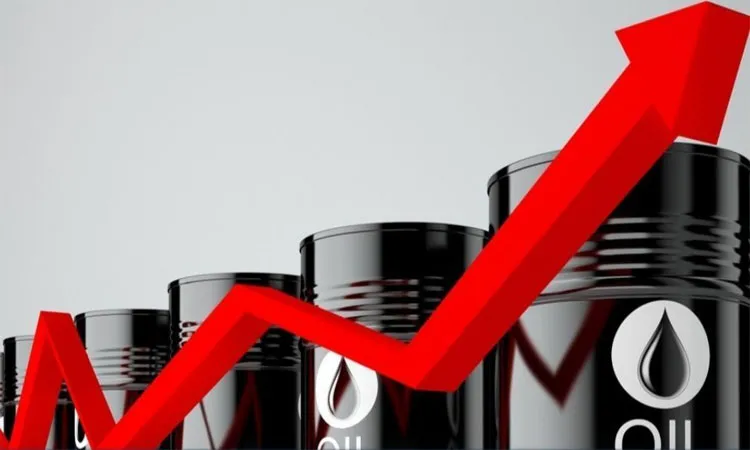
Global oil prices have surged to a six-week high due to escalating conflicts in the Middle East that threaten major commercial shipping routes. During Thursday's Asian trading Brent crude climbed 2.3% to $96.27, and US West Texas Intermediate (WTI) increased 1.9% to $88.48.
This price hike is driven by a rare, simultaneous disruption in two crucial global waterways: the Strait of Hormuz and the Bab el-Mandeb strait.
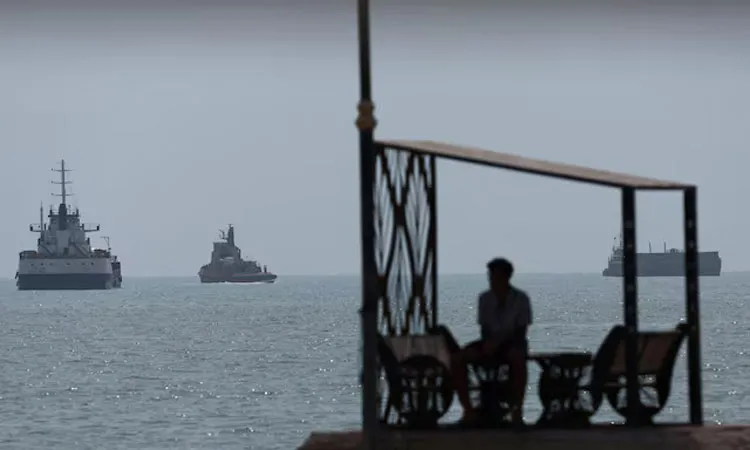
Near the Strait of Hormuz Iran’s Revolutionary Guards have declared the route "completely closed" and under their strict control while US actions continue in the region. The Guards warned on social media that the southern route is mined, reporting that one oil tanker caught fire following an explosion, which forced two other vessels to turn back..
Meanwhile, Yemen’s Iran-aligned Houthi rebels have opened a new front by imposing a naval blockade on Saudi Arabia in the Red Sea. The group claimed they targeted two Saudi oil tankers—successfully striking the Saudi-flagged vessel Encelia—and forced approximately ten other ships to retreat.
Energy experts warn this dual geopolitical threat poses a severe risk to global markets. Saul Kavonic, head of energy research at MST Marquee, noted that the Red Sea disruptions alone could interrupt up to 5 million barrels of oil per day.
Regional tensions continue to intensify as the US military conducted its 12th consecutive night of strikes on Iran. In response to the shipping attacks, US President Donald Trump has vowed to destroy Iranian infrastructure, such as bridges or power plants, every time a ship is fired upon in the Strait of Hormuz.