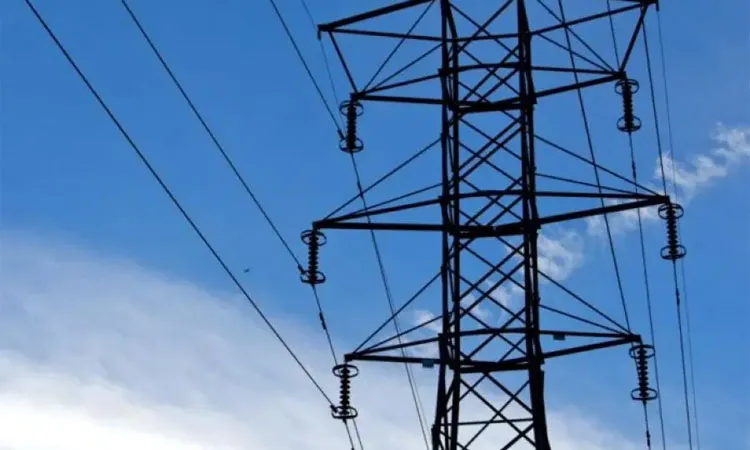
Bangladesh is set to privatize its power distribution and petroleum imports as part of sweeping energy reforms aimed at reducing government subsidies and increasing sector efficiency. Power Energy and Mineral Resources Minister Iqbal Hasan Mahmood announced the initiative confirming the Prime Minister’s in-principle approval.
While the government will continue to generate and sell electricity in bulk, retail distribution will shift to private operators to improve accountability and strengthen bill collection mirroring successful models in major Indian cities.
This policy shift follows 17 years without a cohesive long-term energy strategy, during which no new domestic gas wells were drilled despite national power generation capacity reaching 28,000 megawatts. As domestic gas production sharply declines Bangladesh has become heavily reliant on imported fuels. Currently imports account for 30% of the country's gas demand 95% of fuel oil and 90% of coal demand exposing the economy to global price volatility and supply chain disruptions. To ensure sustainable energy security the government intends to boost domestic gas exploration reinforce LNG-import infrastructure and install 10,000 megawatts of solar power through utility-scale projects and incentivized rooftop systems.
Industry leaders emphasize the urgency of these reforms. Unreliable electricity and chronic gas shortages are severely disrupting industrial production and weakening global competitiveness. Furthermore commercial banks face substantial financial exposure with institutions like Trust Bank holding up to Tk 80 billion in investments stalled by inadequate gas supplies.