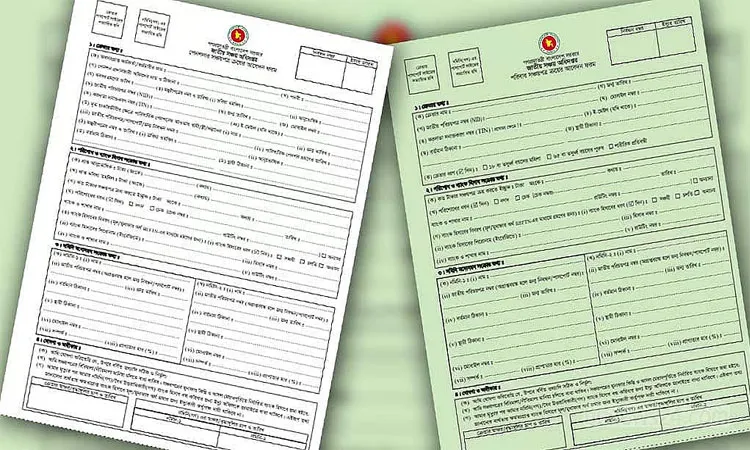
In a massive surge with net sales of national savings certificates reached Tk.20.59 billion in July, the first month of the 2026-27 fiscal year. Remarkably this single month's figure is nearly four times the total net sales recorded across the entire previous fiscal year (Tk.5.40 billion).
According to the National Savings Directorate, this marks the highest single-month net sales in four years, breaking a prolonged trend of negative returns. Prior to this the government had spent more on paying off interest and principal for previously sold certificates than it earned from new sales for three consecutive years.
Economists attribute this dramatic shift to public anxiety over other financial sectors. Former World Bank Dhaka Chief Economist Zahid Hussain explained that despite inflation eroding disposable income, risk-averse citizens are turning to state-backed savings as a secure financial sanctuary.
"People are grappling with a crisis of confidence due to the current turmoil in the banking sector and the stock market slump shows no signs of easing," Hussain said. "There is no risk involved with savings certificates and they can be cashed in during emergencies. The rate of return is also still comparatively good."
Currently, the government’s total outstanding debt from savings certificates stands at Tk.3.36 trillion. To manage the national budget deficit, the state regularly borrows from both the banking system and citizen savings. For the current fiscal year (FY27), the government has set a borrowing target of Tk.85 billion from savings certificates, a reduction from the revised Tk.115 billion target set by the BNP government for the previous year.
This record-breaking start to the fiscal year underscores a strong public preference for guaranteed financial security amid broader economic uncertainties.