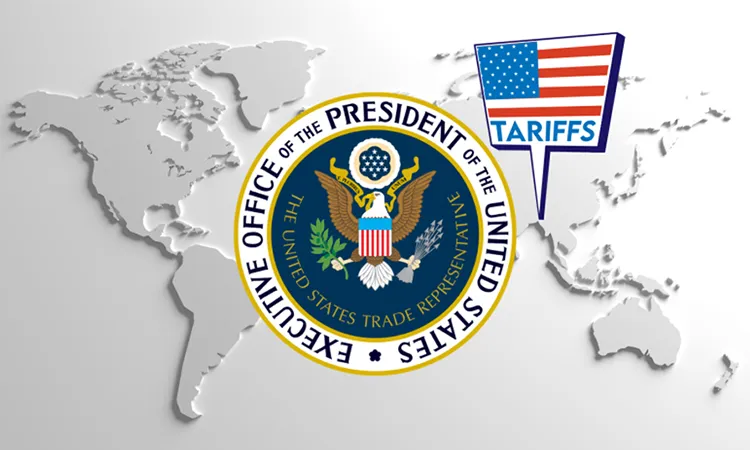
The Trump administration has proposed new tariffs of 10% to 12.5% on imports from 60 economies, including Bangladesh, citing inadequate measures to prevent trade in goods produced with forced labor. Announced on Tuesday by the Office of the United States Trade Representative (USTR), the proposed duties follow a Section 301 unfair trade practices investigation.
The US claims that the failure of these countries to block forced labor imports restricts US commerce and hurts American workers. Under the proposal, imports from Bangladesh, along with 13 other economies — including Canada, the European Union, Mexico, Pakistan, Taiwan, and the UK — will face a 10% tariff.
The remaining 45 countries under investigation will be subject to a 12.5% tariff. “The failure of our most important trading partners to stop imports of goods made using forced labor is unacceptable,” US Trade Representative Jamieson Greer said in a statement. “This creates a dynamic where American workers are forced to compete globally on an unlevel playing field.” The USTR also proposed a new textile mechanism that would allow certain apparel and textile imports to enter the US at a reduced tariff rate, though specific duties and volumes have not yet been disclosed.
Additionally, the USTR will exempt key products from the new tariffs, including energy, rare earth metals, beef, coffee, pharmaceuticals, and aircraft parts. The move is part of the Trump administration's broader effort to rebuild its emergency tariff system. In February, the US Supreme Court struck down a 10% temporary tariff previously imposed by President Donald Trump under the International Emergency Economic Powers Act.
That temporary measure is set to expire on July 24. Separately, the USTR proposed a 25% tariff on several Brazilian products earlier this week following a digital trade probe, and is expected to soon release findings on excess industrial capacity in 16 trading partners, including China. The USTR is accepting public comments on the proposed forced labor tariffs until July 6 and will hold a public hearing on July 7.