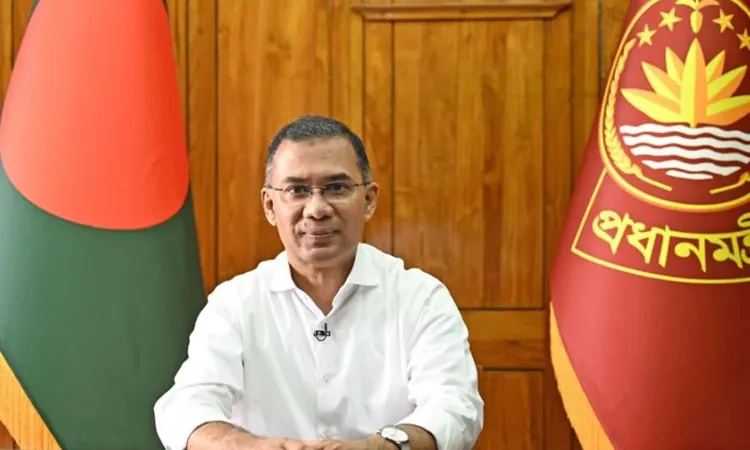
Prime Minister Tarique Rahman is set to make Malaysia his first foreign destination since taking office following the BNP-led government's victory in the 13th parliamentary elections.
Preparations are underway for a two-day state visit to Kuala Lumpur on June 21-22. A senior government official confirmed that the visit will take place at the invitation of Malaysian Prime Minister Anwar Ibrahim.
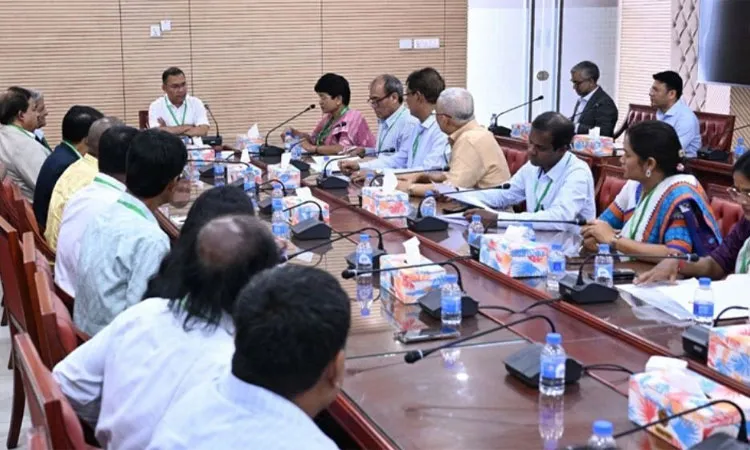
Sources at the Bangladesh High Commission in Kuala Lumpur said the Malaysian government formally confirmed the visit through an official letter on Monday. A bilateral meeting between the two prime ministers is expected on June 22.
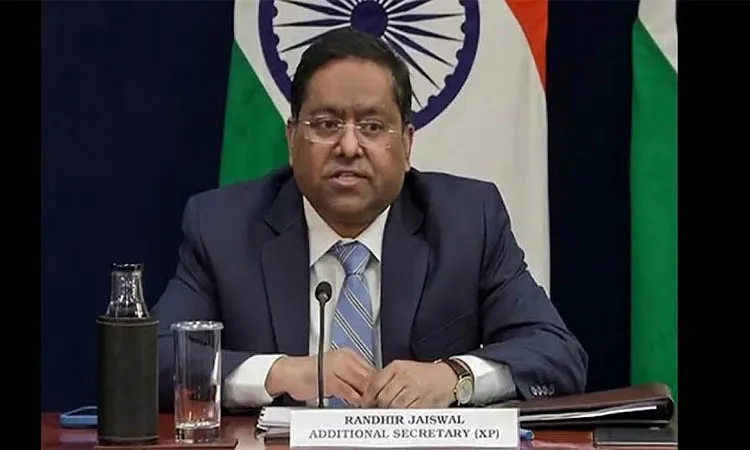
Government sources said special consideration was given to regional geopolitical realities, including competition between India and China, when selecting the destination for the Prime Minister's first foreign trip. Choosing a third country was viewed as strategically significant.
Prime Minister Tarique Rahman had earlier received invitations from India, Malaysia and China. Indian Prime Minister Narendra Modi invited him to New Delhi shortly after the February election, while Malaysian Prime Minister Anwar Ibrahim and Chinese Premier Li Keqiang also extended invitations. The Prime Minister ultimately chose Malaysia for his first official overseas visit.
Diplomatic sources in Dhaka and Kuala Lumpur said the detailed agenda and programme are still being finalized and could be completed next week.
Observers note that a prime minister's first state visit often signals foreign policy priorities. In that context, selecting Malaysia over India or China may be interpreted as an effort to maintain diplomatic balance in the region.
According to diplomatic sources, the Bangladesh High Commission initiated formal discussions with Malaysia's Foreign Ministry on May 24 regarding the proposed visit. Malaysia responded positively, and on June 1 Anwar Ibrahim formally confirmed the invitation through a diplomatic note.
Although the agenda has not been finalized, discussions are expected to focus on migration, trade, investment and educational cooperation.
Diplomats said Malaysia has shown strong interest in expanding educational ties with Bangladesh. More than 11,000 Bangladeshi students are currently studying in Malaysia, making Bangladesh one of the country's largest sources of international students. Chinese students remain the largest foreign student group, with around 62,000 enrolled.
Malaysia is also expected to emphasize cooperation in education, investment and manufacturing during the upcoming visit.