- National
- Bangladesh
- Business
- International
- Sports
- Entertainment
- Politics
- Technology
- Life Style
- Religion
- Opinion
Wednesday, 15 April 2026

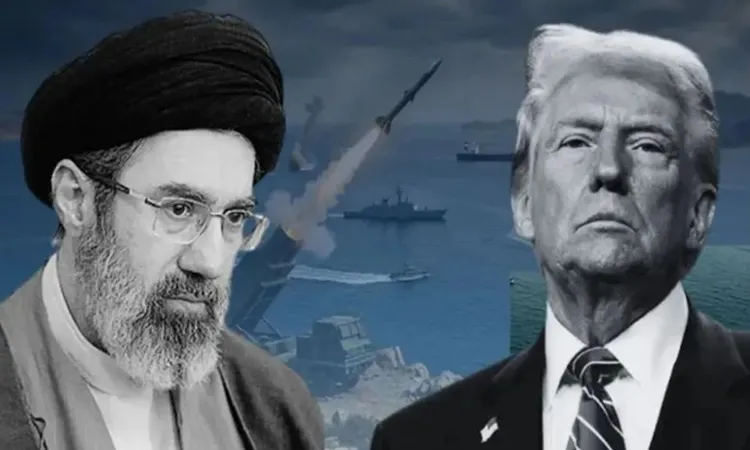
President Trump has issued a high-stakes ultimatum to Tehran: open the Strait of Hormuz or reach an agreement by 8:00 PM Tuesday, or face "devastating attacks" on national infrastructure. With Tehran showing no signs of de-escalation, military analysts suggest Iran is unlikely to rely on traditional defense. Instead, Iran may employ "Layered Asymmetry"—a strategy designed to make the global cost of conflict unsustainable.
Here are five critical steps Iran could take if the deadline expires:
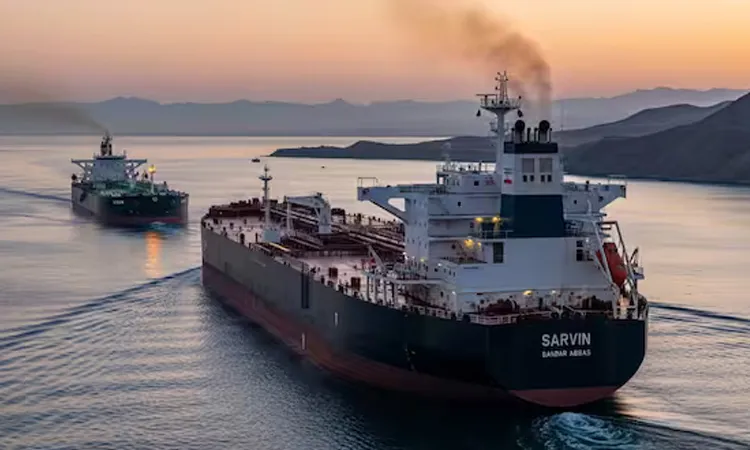
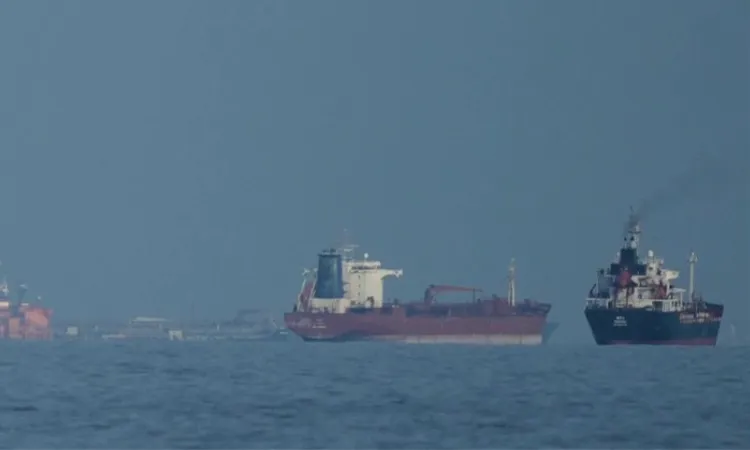
Iran’s primary leverage is its geography. By deploying smart mines and GPS-jamming technology, Tehran has effectively turned the Strait of Hormuz into a "kill zone." If a single tanker sinks, global oil prices could realistically surge past $200 per barrel. Beyond energy, Iran may target subsea fiber-optic cables in the Persian Gulf and Red Sea. Severing these would trigger a "digital Armageddon," collapsing banking and data links between Asia and Europe.
Following the doctrine of "if we cannot export oil, no one will," Iran may target desalination plants in the UAE, Saudi Arabia, and Qatar. Given the region's reliance on processed water, missile strikes on these facilities could trigger a humanitarian water crisis in major Gulf cities within 48 hours.
Iranian-aligned hacking collectives, such as the 'Handala' group, possess the capability to target Western civilian infrastructure. Potential targets include power grids, water treatment systems, and healthcare networks. Furthermore, spoofing GPS signals for maritime vessels could lead to mid-sea collisions, further choking international trade.
Iran can activate its regional proxies to overstretch US and allied resources. This could involve a synchronized multi-front escalation:
Iraq & Syria: Drone and rocket strikes on US military bases.
Yemen: Houthi-led blockades in the Red Sea.
Lebanon: Hezbollah strikes on northern Israel.
Tehran may attempt to break the US-led sanctions regime by offering "safe passage" to vessels from China, Russia, and Pakistan. By creating an alternative maritime corridor for these powers, Iran seeks to isolate Washington diplomatically and encourage world powers to bypass US-imposed restrictions.
Tehran’s objective is not a conventional military victory over the United States. Rather, it aims to make a US intervention so economically ruinous that the global fallout forces a ceasefire.
Comment