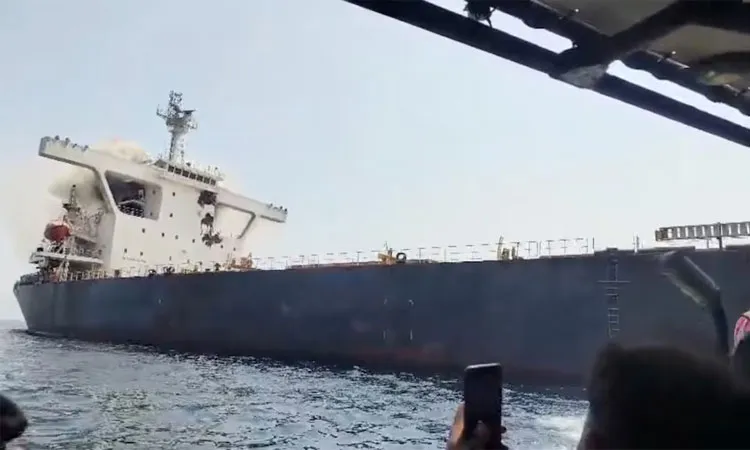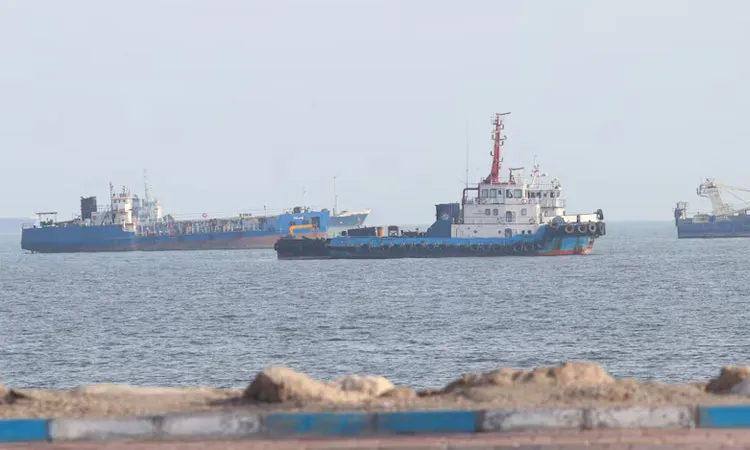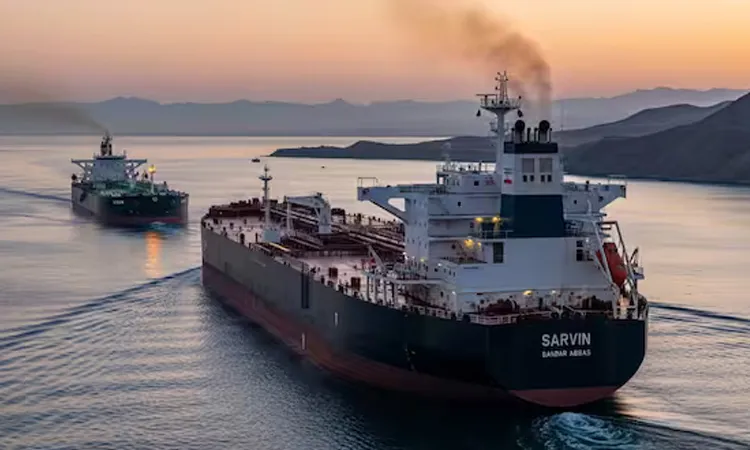
The first 24 hours of the U.S. naval blockade against Iranian ports have shown inconsistent results. Despite the restrictions at least four vessels linked to Iran including two from the ports of Bushehr and Bandar Imam Khomeini successfully passed through the Strait of Hormuz on Tuesday.
Security analysts suggest several reasons for the breach. U.S. naval forces may not yet be fully positioned to enforce the blockade or vessels may be using "AIS spoofing" to hide their true locations. While the U.S. military maintains that ships traveling to non-Iranian ports will not be stopped, Iran has condemned the blockade as a violation of its national sovereignty.
The "China factor" remains a major hurdle for Washington. As a top buyer of Iranian oil, Beijing has slammed the blockade as "dangerous and irresponsible." There are reports that China is considering providing naval escorts for its cargo ships if the standoff persists.
Currently, at least 14 U.S. warships are stationed in the region. Rather than entering Iranian waters, the U.S. is expected to "interdict" or stop suspicious vessels in the international waters of the Indian Ocean.
In a separate diplomatic development officials from Lebanon and Israel are scheduled to hold rare direct talks in the U.S. later today.