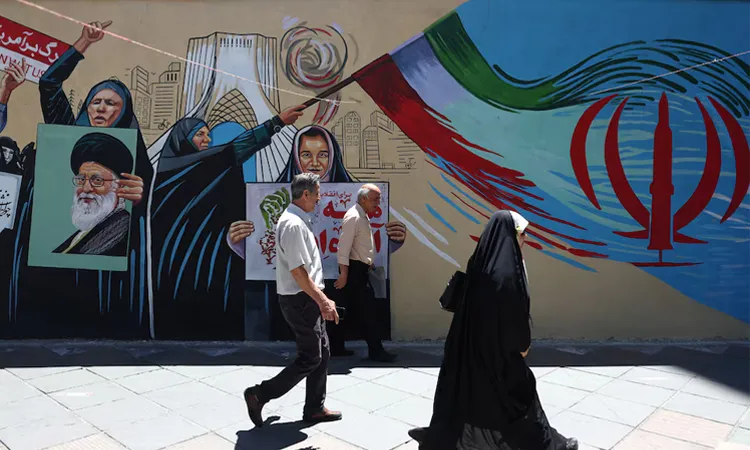
Iran has warned that the fragile ceasefire in the Middle East is highly likely to collapse if Israel continues its military strikes on Lebanon. In response to the escalating tensions, Tehran has reportedly suspended indirect negotiations with Washington.
The diplomatic freeze poses a significant obstacle to ending a broader conflict that erupted in late February, severely disrupting global energy markets and supply chains.

Warnings and Military Threats
Iran’s Khatam al-Anbiya Central Headquarters issued a stern warning to residents of northern Israel, urging them to evacuate if Israeli Prime Minister Benjamin Netanyahu proceeds with threats to strike Beirut’s southern suburbs (Dahiyeh). Iranian Foreign Minister Abbas Araqchi reinforced this stance, stating, "Violation on one front is a violation of the ceasefire on all fronts."
Despite the ceasefire, sporadic violence continues. Over the weekend, the US military struck Iranian air defenses and drones, citing aggressive Iranian actions. In retaliation, Iran’s Islamic Revolutionary Guard Corps targeted a US-utilized air base in Kuwait. The US military confirmed intercepting two Iranian ballistic missiles late Sunday, reporting no American casualties.
Trump Claims to Halt Beirut Advance
Amid the escalating rhetoric, US President Donald Trump announced on his Truth Social platform that a "very constructive" phone call with Netanyahu resulted in Israel suspending plans to send forces into Beirut.
Trump also claimed that through senior intermediaries, an understanding had been reached with Hezbollah to halt all mutual hostilities. However, Hezbollah has yet to publicly confirm any such agreement.
Global Economic Fallout
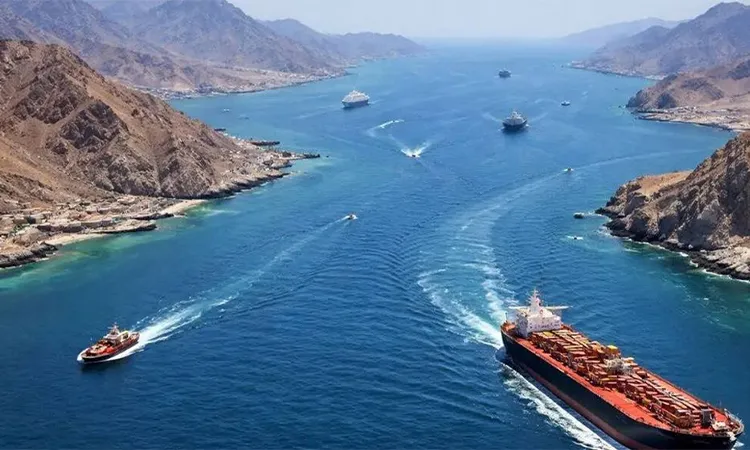
The conflict has already taken a heavy toll on the global economy. Iran's effective blockade of the Strait of Hormuz has triggered a spike in international energy prices. Iran’s Tasnim news agency suggested that the Resistance Front—which includes allies in Yemen, Lebanon, and Iraq—may also activate the Bab El Mandeb Strait to further pressure Israel and its Western allies.
President Trump faces mounting domestic pressure to reopen these vital shipping lanes and stabilize gasoline prices ahead of the US November congressional elections. Meanwhile, Tehran is seeking a limited interim agreement to secure sanctions relief and unfreeze billions in oil revenues, though negotiations remain heavily deadlocked.