The United States reported striking Iranian military sites over the weekend, while Iran’s Revolutionary Guard announced on Monday that it targeted an American military base. This is the latest exchange of fire between the two nations despite ongoing negotiations to end the three-month-old war.
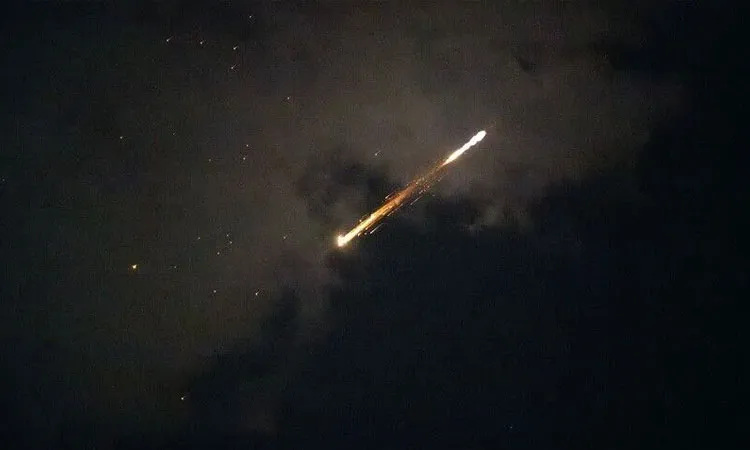
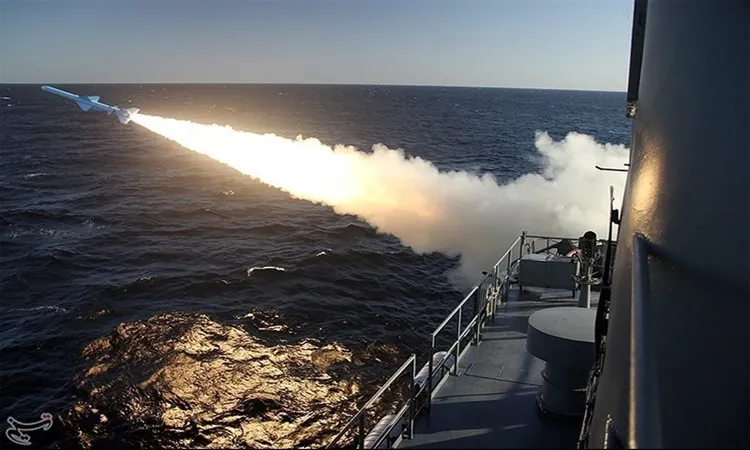
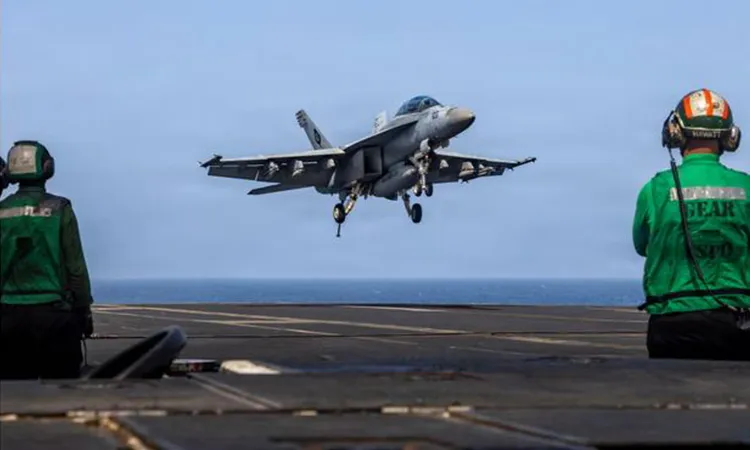
US Central Command (Centcom) stated on X that the strikes on Iran’s Gulf coast retaliated against "aggressive Iranian actions," specifically the downing of an American MQ-1 Predator drone over international waters. Centcom stated that US fighter aircraft dismantled Iranian air defenses, a ground control station, and two attack drones threatening ships in regional waters. The US military added it will continue protecting its assets during the active ceasefire.
In response, Iran’s Islamic Revolutionary Guard Corps announced Monday it hit an air base utilized by the US to attack southern Iran, though it did not specify the base's location. Concurrently, Kuwait's state news agency, KUNA, reported that its air defenses intercepted incoming missile and drone attacks on Monday as sirens sounded across the country. Kuwait hosts a major US military hub.
Washington and Tehran have sporadically traded strikes since a temporary ceasefire took effect in early April, even as mediators push for a durable peace agreement. A near-identical exchange occurred last Thursday.
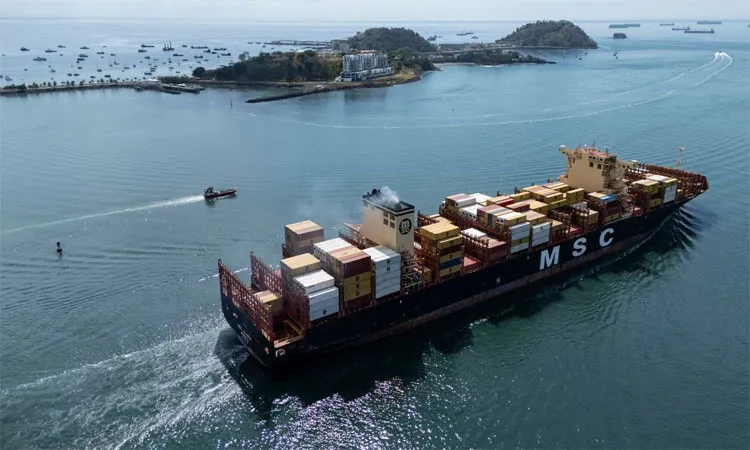
The war, launched by the US and Israel on February 28, has killed thousands of people—primarily in Iran and Lebanon. It has also triggered global economic disruptions and driven up global energy prices due to Iran’s effective blockade of the critical Strait of Hormuz shipping lane.
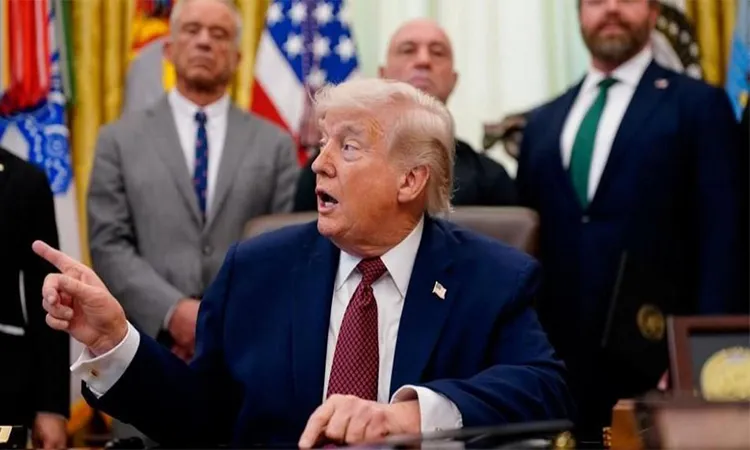
US President Donald Trump stated that a primary war objective is preventing Iran from developing a nuclear weapon using highly enriched uranium, a goal Tehran has repeatedly denied pursuing. Trump faces domestic pressure to reopen the Strait of Hormuz and lower domestic fuel costs before the November US congressional elections. However, he also faces a potential political backlash from conservative lawmakers opposing any concessions to Tehran.
Significant diplomatic roadblocks remain. Tehran demands the complete lifting of economic sanctions and the release of tens of billions of dollars in frozen Iranian oil revenues held in foreign banks.
Simultaneously, Israel’s parallel conflict in Lebanon against the Iran-backed Hezbollah militia complicates peace efforts. Israeli Prime Minister Benjamin Netanyahu announced Sunday he ordered troops to push deeper into Lebanese territory. In response to the escalation, US Secretary of State Marco Rubio held talks with both Netanyahu and Lebanese President Joseph Aoun, proposing a gradual de-escalation plan to stabilize the region.