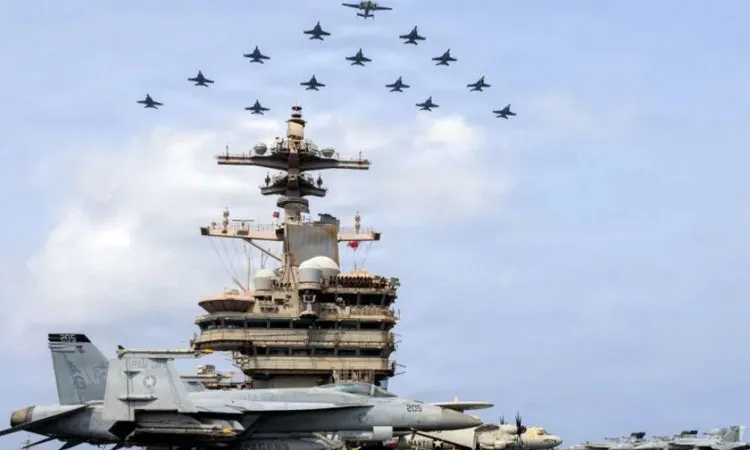
The Middle East faces renewed instability as the United States and Iran exchange heavy military strikes over control of the vital Strait of Hormuz. This sudden escalation shatters a fragile, month-old preliminary peace agreement.
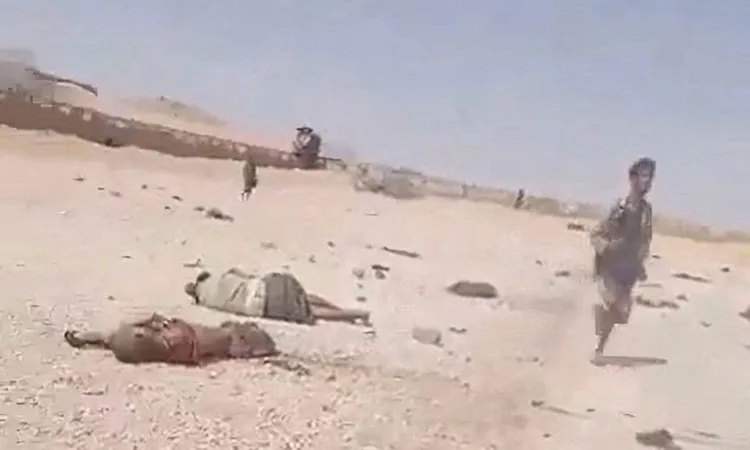
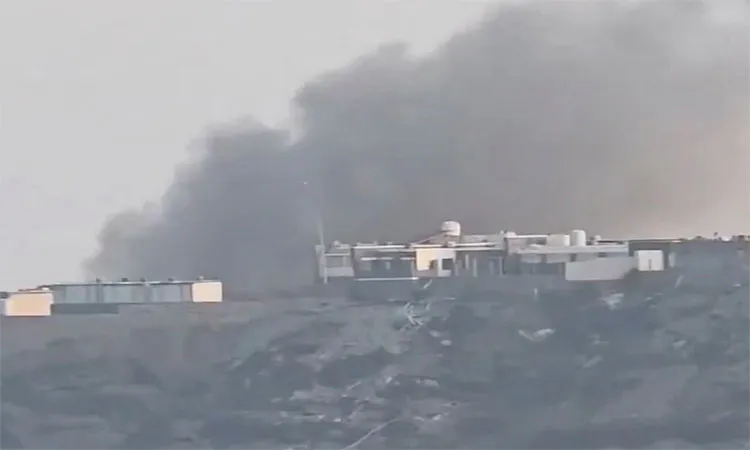
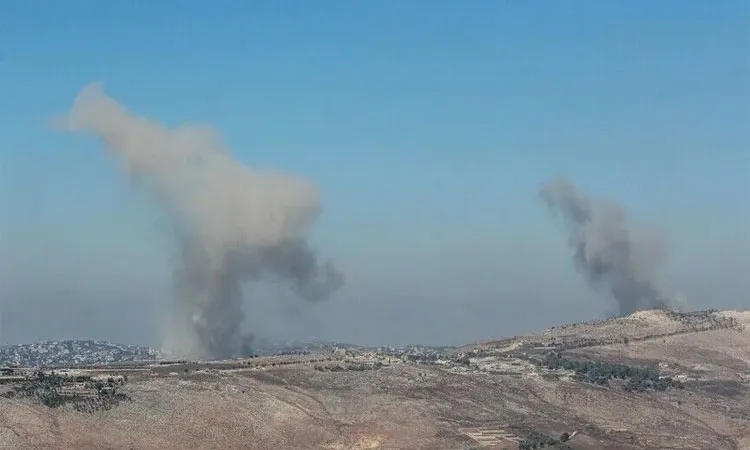
The US military recently conducted a sixth consecutive night of airstrikes to "degrade Iranian military capabilities". The strikes targeted infrastructure near the Strait of Hormuz, areas around Ahvaz, and the coastal city of Bandar Abbas. Iranian state media also reported explosions in Bushehr—home to the country’s only civilian nuclear plant—and civilian evacuations following US strikes near a children's cancer hospital in Ahvaz. Since last week, renewed US attacks have killed at least 30 people in Iran.
In retaliation, Iran’s Revolutionary Guards fired ballistic missiles at a US airbase in Jordan. The conflict has spilled over to US Gulf allies, prompting air raid sirens in Bahrain and drone interceptions by Kuwait.
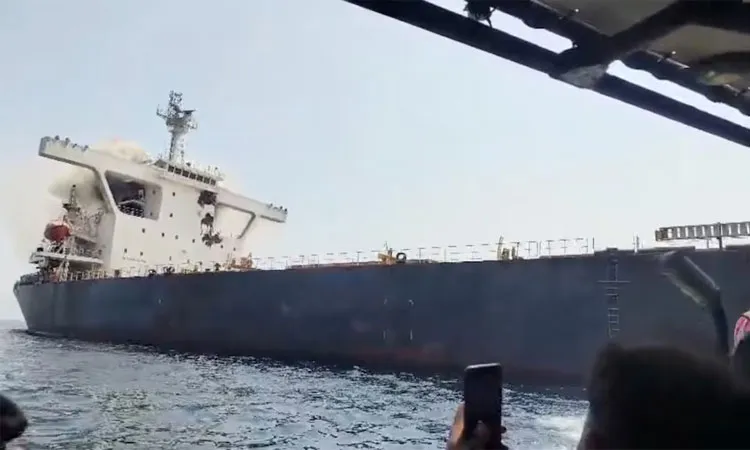
Global energy markets remain highly vulnerable. Iran has threatened to close the Strait of Hormuz—a crucial artery for global oil and gas—until US aggression ends. Concurrently, Washington has resumed its blockade of Iranian ports, with American forces boarding vessels in the Gulf of Oman. Despite the violence, diplomatic channels remain tentatively open.
US President Donald Trump threatened further strikes on Iranian power plants and bridges but maintained a willingness to negotiate. In response, Iranian officials warned that any such attacks would result in the destruction of regional infrastructure. Meanwhile, Pakistan is actively urging both sides to resume the technical-level talks it helped mediate last month.