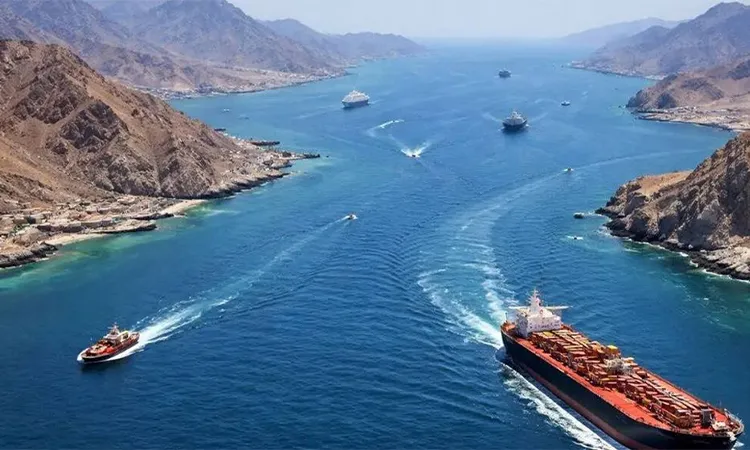
Iran has once again shut down the strategic Strait of Hormuz following massive Israeli airstrikes on Lebanon, a move that threatens to dismantle a fragile U.S.-brokered ceasefire just hours after it began.
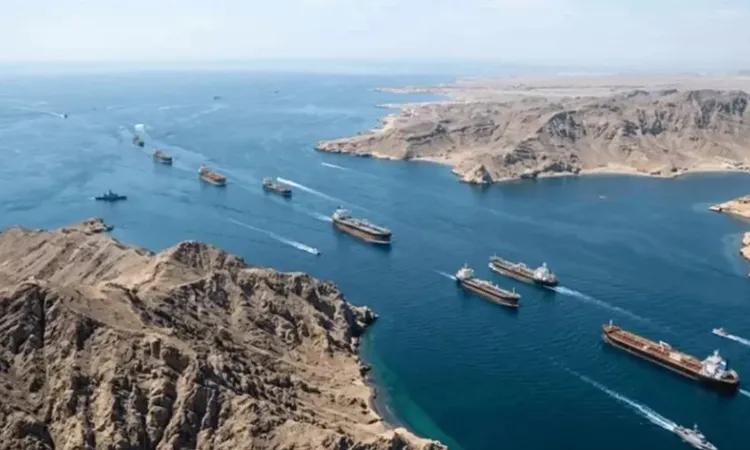
The closure, effective since Wednesday afternoon, April 8, has completely halted oil tanker traffic in the world's most vital energy corridor.
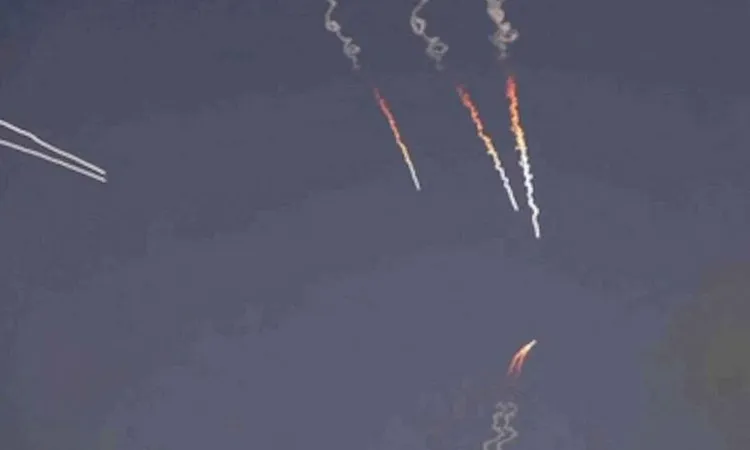
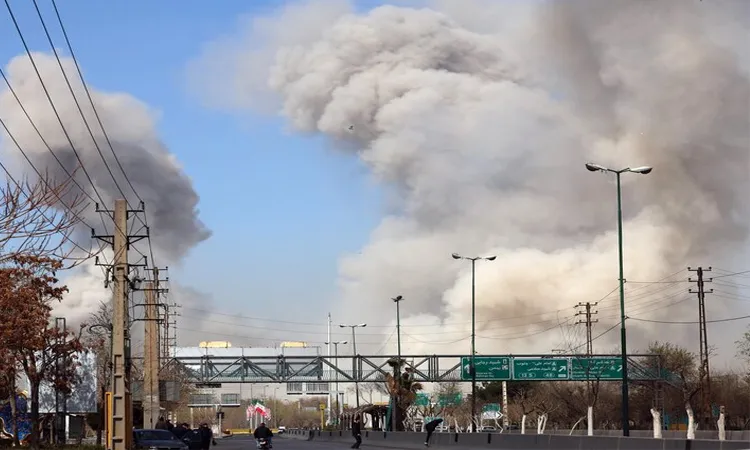
The decision follows a devastating wave of Israeli strikes across Lebanon on Wednesday that killed at least 254 people and injured 1,165 others, according to Lebanese Civil Defense. The strikes, which hit residential areas in Beirut without warning, were described as some of the deadliest since the conflict began.
Iranian state media, including Fars and IRNA, reported that Tehran viewed the attacks as a direct violation of the ceasefire conditions.
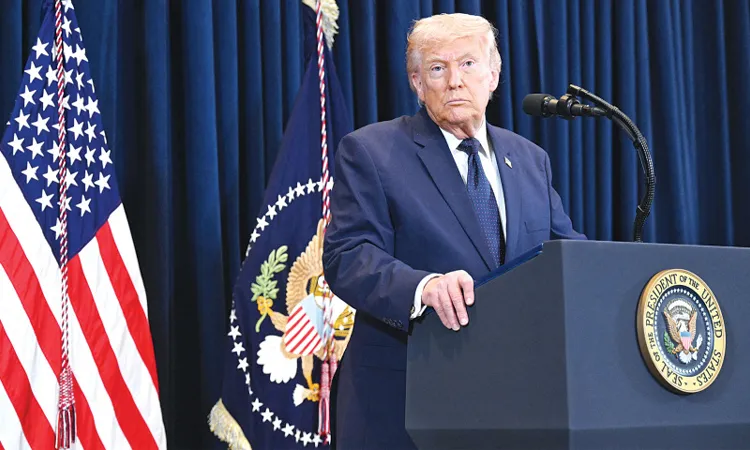
On Wednesday morning, U.S. President Donald Trump announced a two-week "double-sided ceasefire," claiming all military objectives had been met. While two tankers initially crossed the Strait with Iranian permission, the peace proved short-lived.
The collapse centers on a major disagreement over the scope of the truce Tehran insists its 10-point plan requires a halt to all attacks on the "Axis of Resistance," specifically including Lebanon. The Israel Defense Forces (IDF) stated the ceasefire applies only to direct hostilities with Iran, and operations against Hezbollah in Lebanon would continue.
The closure of the Strait has sent shockwaves through global markets, reversing a brief dip in oil prices. Iranian officials have warned that they are now "finalizing plans for preventative measures" against military positions within Israeli-occupied territory if the strikes do not cease.
With the "fragile truce" hanging by a thread, the international community remains on high alert as the risk of a wider regional war resurfaces.