Six weeks into a fragile ceasefire, the United States and Iran remain sharply divided over Tehran's highly enriched uranium stockpile and its control of the Strait of Hormuz. Despite the ongoing impasse, US Secretary of State Marco Rubio noted "some good signs" in recent negotiations.
The conflict, which began on February 28 with US and Israeli military operations against Iran, triggered widespread regional retaliation. While talks mediated by Pakistan have narrowed some gaps, a final peace deal remains elusive.

Disputes Over Uranium Stockpiles
US President Donald Trump has insisted that Washington will seize and likely destroy Iran's highly enriched uranium. "We will get it. We don't need it, we don't want it. We'll probably destroy it... but we're not going to let them have it," Trump told reporters, warning that he is ready to resume military strikes if Iran's leadership fails to provide the "right answers."

However, senior Iranian sources report that Iran's Supreme Leader, Ayatollah Mojtaba Khamenei, has issued a strict directive forbidding the transfer of the uranium abroad. While Washington suspects the stockpile is intended for nuclear weapons, Tehran insists it is purely for peaceful, medical, and research purposes.
The Strait of Hormuz Crisis
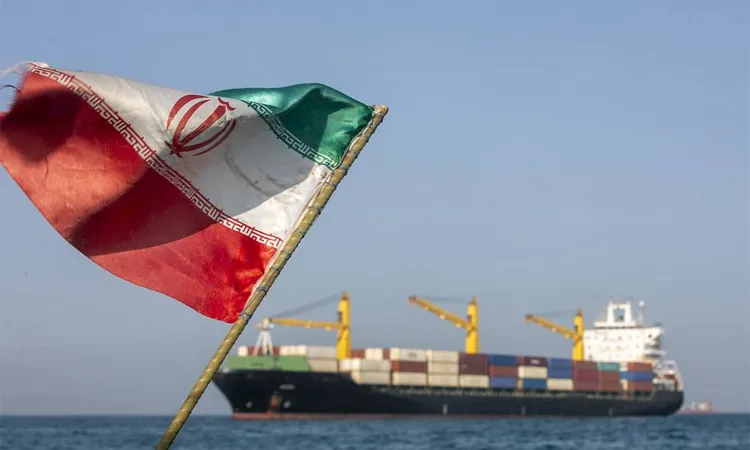
Tensions are being further fueled by Iran's intention to charge shipping tolls in the Strait of Hormuz, a critical global waterway that historically handles a fifth of the world's oil and natural gas. Iran's deputy foreign minister recently reiterated Tehran's claims of sovereignty over the strait.
President Trump strongly rejected the tolling system. "We want it open, we want it free. We don't want tolls. It's an international waterway," he stated, estimating that the US Navy's current blockade is costing Tehran $500 million a day. Secretary Rubio added that any diplomatic solution would be "unfeasible" if Iran implements the tolls.
Economic Fallout and Mediation Efforts
The standoff is wreaking havoc on the global economy, causing severe volatility in oil prices. According to analysis by Rapidan Energy Group cited by Bloomberg, if the strait remains closed until August, the global oil supply deficit could reach 6 million barrels per day. This would likely push Brent crude prices near $130 a barrel over the summer, threatening a global recession comparable to the 2008 financial crisis.
Facing domestic pressure ahead of November midterm elections, the Trump administration is pushing for a swift resolution. Pakistan is actively mediating the crisis, with its interior minister recently visiting Tehran to deliver a US message to Iranian President Masoud Pezeshkian and Foreign Minister Abbas Araqchi.
Despite these diplomatic channels, Tehran's latest proposal largely repeats demands previously rejected by the US, including control of the strait, compensation for war damages, the lifting of sanctions, and the withdrawal of US troops.