Iran temporarily shut the Strait of Hormuz for several hours on Tuesday during live-fire military drills, Iranian state media reported, as Tehran held another round of indirect nuclear talks with the United States.
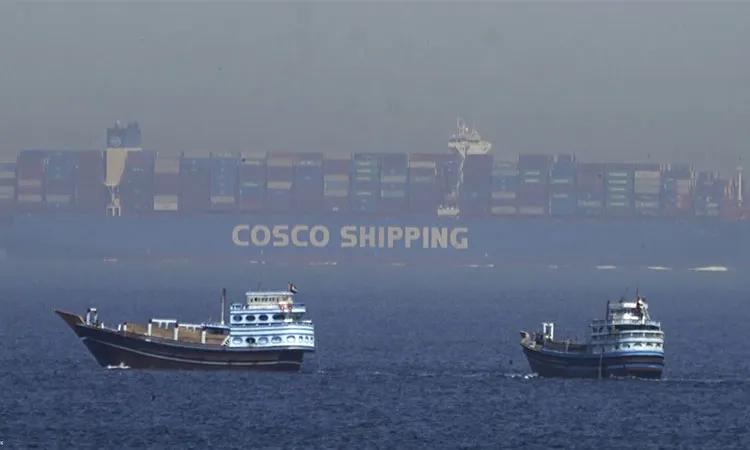
State media said Iranian forces fired live missiles near the strait and closed the waterway for “safety and maritime concerns.” It was not immediately clear whether shipping was fully halted or when normal traffic resumed.
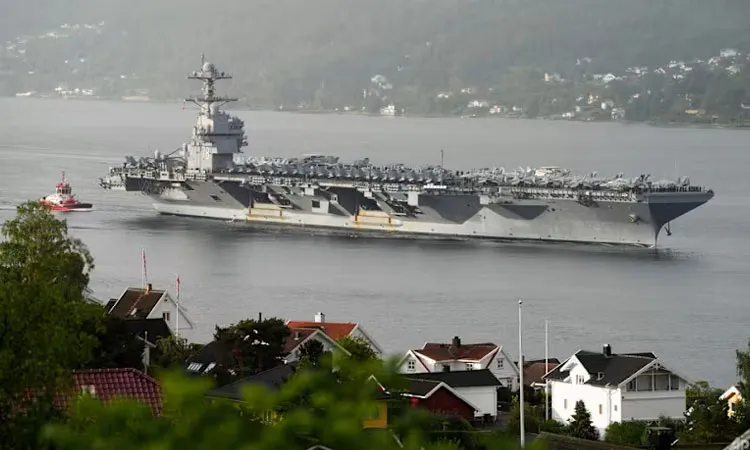
The Strait of Hormuz is one of the world’s most critical oil routes, carrying about 20% of global crude supplies. Iran’s announcement marked a rare escalation and came amid heightened tensions following U.S. military deployments to the region.
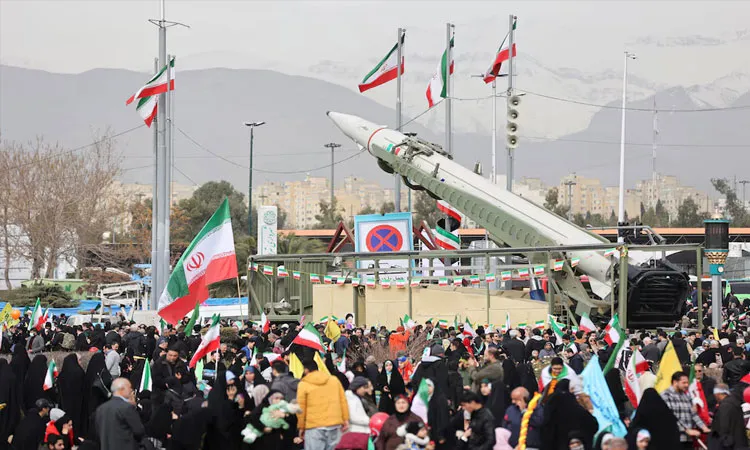
Iran’s Supreme Leader, Ayatollah Ali Khamenei, issued a warning during the drills, saying even the world’s strongest military could suffer a blow it “cannot get back on its feet.”
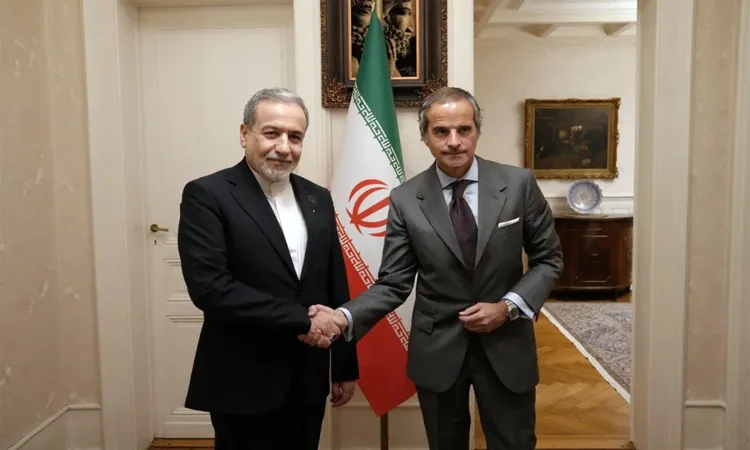
Iran’s foreign minister, Abbas Araghchi, struck a more conciliatory tone after talks in Geneva. Speaking at a U.N. disarmament conference, he said “a new window has opened” for an agreement and expressed hope for a negotiated solution that serves regional interests. He did not directly mention the drills or the strait’s closure, but said Iran is prepared to defend itself and warned that any attack would have consequences beyond its borders.
U.S. President Donald Trump has repeatedly threatened to use force to pressure Iran over its nuclear program, after withdrawing from a previous nuclear deal during his first term. Iran has said it would respond to any attack.
The U.S. delegation to the indirect talks was led by Steve Witkoff and Jared Kushner, meeting Iranian representatives at the residence of Oman’s envoy in Geneva. Oman has long acted as a regional mediator and hosted an earlier round of talks this month.
A U.S. official said there was progress but key issues remain unresolved. Iran is expected to present more detailed proposals within two weeks. U.S. Vice President JD Vance said the talks had mixed results, noting that Washington has set “red lines” Iran has yet to accept, in comments to Fox News Channel.
Araghchi also met Rafael Grossi, head of the International Atomic Energy Agency, to discuss the agency’s role in supporting a potential agreement.
Iran’s Revolutionary Guard said it began drills earlier this week across the Strait of Hormuz, the Persian Gulf and the Gulf of Oman. Analysts said Iran frequently conducts exercises in the area, but formally announcing a closure goes further. Danny Citrinowicz of Israel’s Institute for National Security Studies said the move was intended to signal that any strike on Iran would have global consequences.
Oil prices fell after the talks ended. U.S. crude dropped 1.3% to $62.06 a barrel, while Brent crude fell 2.3% to $67.03. Prices had risen earlier on fears of regional conflict but eased on expectations that diplomacy could lower supply risks.
Later on Tuesday, Iranian media reported that the strait had reopened, though details on shipping conditions remained unclear.