- National
- Bangladesh
- Business
- International
- Sports
- Entertainment
- Politics
- Technology
- Life Style
- Religion
- Opinion
- FIFA World Cup 2026
Wednesday, 22 July 2026

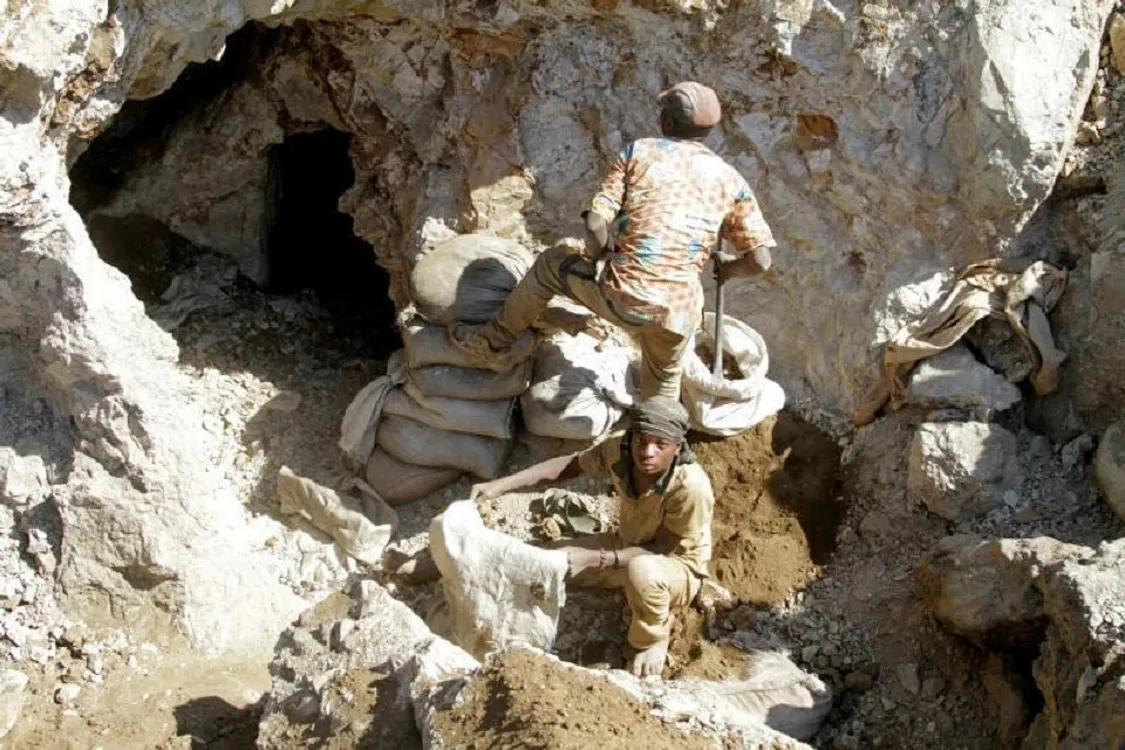
A bridge collapse occurred on November 15 at the Kalando cobalt mine in the south-east DR Congo, resulting in the deaths of at least 32 "wildcat" or artisanal miners.
At least 32 bodies were recovered as of November 16, with more being searched for. Images showed at least 17 bodies laid out on the ground near the site.
The incident took place at the Kalando mine, approximately 42km south-east of Kolwezi, the Lualaba provincial capital. The bridge, a makeshift structure over a flooded zone, collapsed when miners rushed across it, causing them to fall and pile on top of each other.
Provincial Interior Minister Roy Kaumba Mayonde stated that the wildcat miners forced their way into the quarry despite a formal ban on access due to heavy rain and the risk of landslides.
A report by the Saemape government agency suggested that the presence of soldiers at the mine may have caused a panic among the miners, contributing to the collapse. Provincial authorities suspended operations at the site on November 16.
The incident highlights the perilous conditions and regulatory challenges in the country's essential mineral sector.
The DR Congo produces more than 70 per cent of the world's cobalt supply, a mineral vital for batteries in electric cars, laptops, and mobile phones. It is estimated that more than 200,000 people work in illegal, giant cobalt mines across the country. At the Kalando mine alone, more than 10,000 wildcat miners operated.
The Kalando mine was subject to a longstanding dispute between the wildcat miners, a cooperative meant to organize the digging, and the site’s legal operators, who reportedly have Chinese involvement.
The DR Congo's cobalt industry is persistently marred by accusations of child labor, dangerous conditions, and corruption. The country's mineral wealth is also linked to the decades-long conflict in its eastern regions.