Foreign policy and security analysts have urged Bangladesh to respond calmly and realistically after reports that India has asked family members of its diplomats in Bangladesh to return home, citing security concerns.
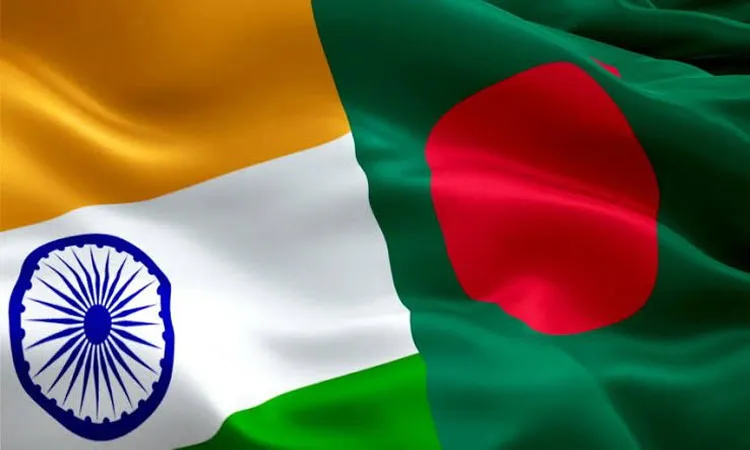
The Hindustan Times reported on January 20, quoting official sources, that India has designated Bangladesh as a “non-family” posting and advised diplomats’ families to leave as a precaution. Despite the move, all five Indian missions in Bangladesh—Dhaka, Rajshahi, Sylhet, Chattogram and Khulna—will continue to operate at full strength.
India’s Ministry of External Affairs has not issued an official statement on the matter. Bangladesh has also not formally responded. Asked whether Dhaka would take reciprocal steps, Ministry of Foreign Affairs spokesperson SM Mahbubul Alam declined to comment.
Former Bangladesh ambassador M Humayun Kabir told a national daily that Dhaka should avoid hasty reactions and first seek clarity on India’s concerns.
“There is no need for an immediate response. We should understand why India has taken this step and what specific concerns it has,” he said. Kabir added that Bangladesh has not identified any security situation that would justify a similar decision, but said any valid concerns could be addressed through diplomatic dialogue.
He also stressed that diplomatic actions do not require automatic reciprocity. “One country’s decision does not obligate the other to respond in kind. Diplomacy is about assessing circumstances and intent,” he said.
Security and intelligence analysts echoed the view, saying India’s decision does not reflect Bangladesh’s overall security environment. They noted that while Bangladesh has seen sporadic political violence—particularly during election periods—such incidents are not unusual and do not destabilize the country.
“These election-related incidents do not undermine overall security. Bangladesh should treat this as India’s internal assessment and maintain a calm, realistic stance,” said retired Brigadier General Manzur Qader. He added that each country conducts its own security analysis and Bangladesh has no reason to take countermeasures.
Indian sources cited by the Hindustan Times said the decision had been under consideration for some time, driven by concerns over the safety of diplomats’ families and alleged threats from extremist and radical elements. The report also mentioned concerns about alleged Pakistani activities in Bangladesh—claims Dhaka has not officially addressed.
India has previously imposed similar restrictions in Pakistan, where only spouses are permitted to accompany Indian diplomats.
Bilateral relations have remained strained since Bangladesh’s interim government took office in August 2024. India has accused the interim administration of failing to protect minorities, an allegation Dhaka has rejected. Security has been tightened around diplomatic missions in both countries following recent protests, including demonstrations outside the Indian mission in Chattogram last month.
Despite tensions, diplomatic engagement continues. India has reportedly reached out to the Bangladesh Nationalist Party (BNP), which is expected to perform strongly in the February 12 general election.
External Affairs Minister S Jaishankar recently attended the funeral of former prime minister and BNP chairperson Khaleda Zia and met her son, BNP leader Tarique Rahman—moves observers see as efforts to ease strained ties.