


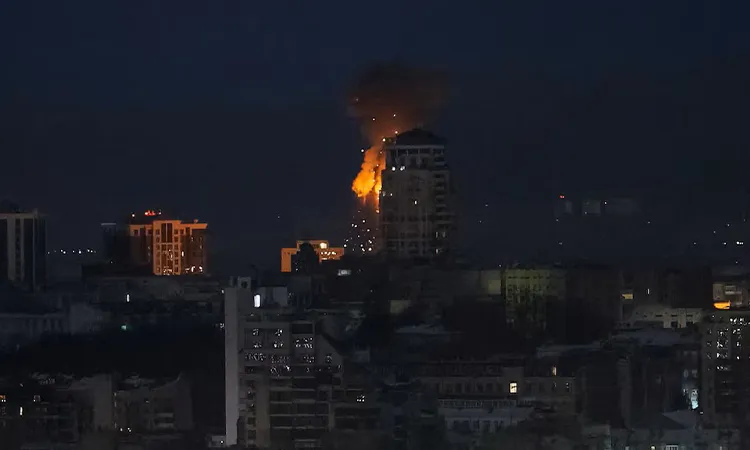
Russia has launched its most devastating aerial assault of the year, firing a record number of ballistic missiles—over 70 in total—alongside 450 drones.
This massive strike occurred immediately after the expiration of a weekend "energy truce" brokered by Donald Trump and Vladimir Putin. President Volodymyr Zelensky accused Moscow of using the pause to stockpile weapons for this specific escalation, signaling a rejection of diplomatic efforts.

The strikes targeted power plants and heating infrastructure in Kyiv, Kharkiv, Odesa, and Dnipro. In Kyiv alone, over 1,000 tower blocks have been left without heating as temperatures plummeted to -20°C. Private energy provider DTEK reported that a power plant in Kharkiv was destroyed beyond repair. Because many targeted plants provided heating exclusively for civilian use, officials have pointed toward potential violations of the Geneva Convention.
Residents in major cities spent over seven hours in metro station shelters, with some pitching tents to endure the freezing temperatures. With persistent power cuts and no heating, many citizens are relying on soup kitchens and sleeping in coats or hats under layers of blankets. Despite the misery, local sentiment remains defiant against Russian demands for territorial concessions.
The attack coincided with NATO Secretary-General Mark Rutte’s visit to Kyiv. Rutte urged member nations to "dig deep" into their stockpiles to provide urgent air defense reinforcements, noting that Ukraine was able to intercept only 38 of the missiles due to a shortage of interceptors like the US-made Patriot system.
While peace talks are scheduled for Abu Dhabi later this week, the scale of this attack has cast serious doubt on Russia’s commitment to a peaceful resolution.

