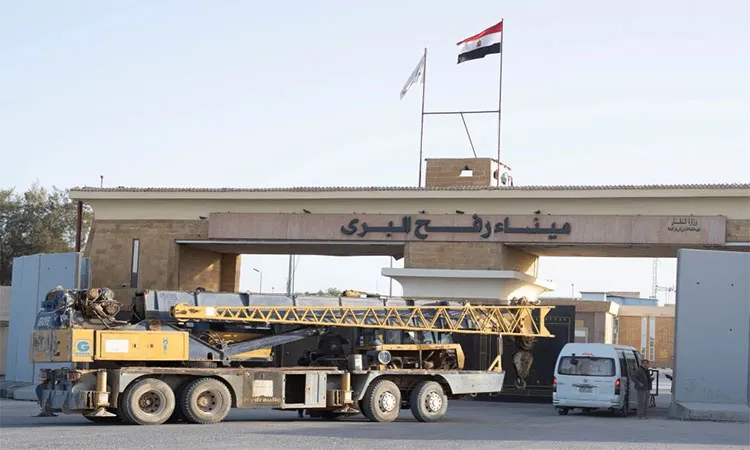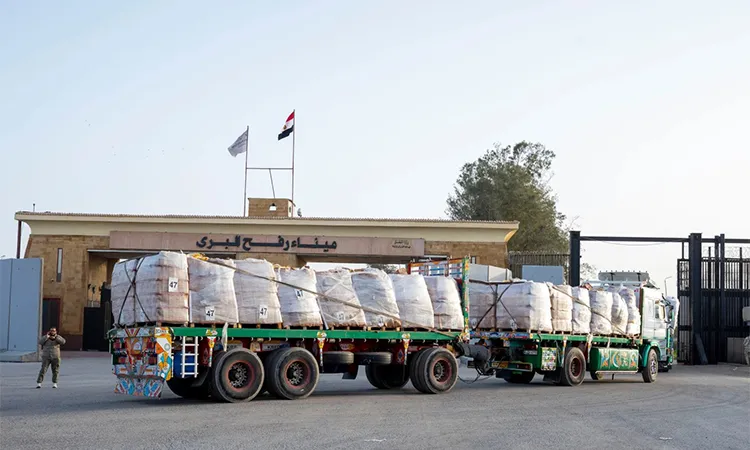
Following nearly two years of closure, Israel has announced the reopening of the Rafah border crossing between the Gaza Strip and Egypt this Sunday.
This move is a significant milestone in the second phase of the U.S.-brokered ceasefire plan. COGAT, the Israeli military body overseeing aid, confirmed that the crossing will initially allow for the "limited movement of people only," prioritizing humanitarian and medical cases.
The reopening follows the recovery of the remains of the final hostage held in Gaza earlier this week, an event that Prime Minister Benjamin Netanyahu cited as a catalyst for moving forward with the controlled operation of the gateway.
While COGAT expects two-way traffic on Sunday, Palestinian administrative head Ali Shaath noted that Sunday will serve as a trial day, with full travel expected by Monday.
All individuals will undergo vetting by Israel and Egypt, with additional supervision provided by European Union border patrol agents.
Initial travel will be restricted to dozens of people per day, focusing on the 20,000 medical patients requiring urgent treatment abroad and Palestinians who fled during the height of the conflict.
Israel will maintain security screenings in the adjacent corridor, remaining firm on its strategy to prevent cross-border arms smuggling.

Despite the reopening, the humanitarian situation remains dire. While large-scale combat has slowed, the Gaza Health Ministry reported that 492 Palestinians have been killed since the ceasefire began in October, including four deaths in airstrikes this past Friday.
Prime Minister Netanyahu has reiterated that Gaza’s reconstruction is contingent upon the total disarmament of Hamas and the destruction of its tunnel network.
This stance positions the control of the Rafah crossing as a major point of leverage in ongoing negotiations regarding the future governance and rebuilding of the enclave.