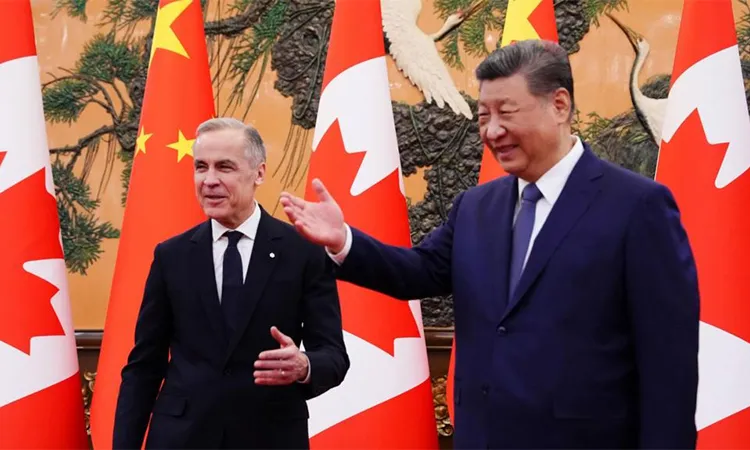
Prime Minister Mark Carney and Chinese President Xi Jinping launched a "new strategic partnership" on Friday, signaling a major reset in relations between Ottawa and Beijing. The meeting, held at the Great Hall of the People, marks the first visit by a Canadian leader to the Chinese capital in eight years.
Carney told Xi that both nations stand to achieve "historic gains" by focusing on mutual strengths in agriculture, agri-food, energy, and finance.4 "It is important to start this partnership at a time of global division," Carney said, emphasizing the need for stability in a fractured international trade environment.
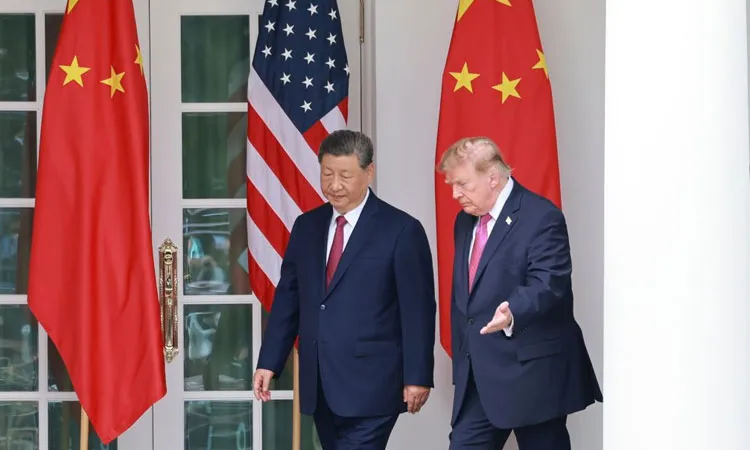
The diplomatic thaw comes as Canada faces escalating economic tension with its largest trading partner, the United States. Following U.S. President Donald Trump's return to the White House and his imposition of aggressive tariffs on Canadian goods, Ottawa is moving to double its non-U.S. exports.

China, similarly affected by U.S. trade penalties, has shown a strong interest in deepening ties with a G7 nation. President Xi characterized the meeting as a "turnaround," stating that a stable relationship serves the common interests of both countries and global prosperity.
Despite the optimistic tone, several trade "irritants" remain unresolved: Economic Roadmap: Both sides signed an "Economic and Trade Cooperation Road Map" to guide future investments in services, aerospace, and clean energy. Energy Pact: A non-binding agreement was reached to cooperate on oil, gas, and natural uranium development. The Tariff Deadlock: A major sticking point persists over Canada's 100% tariff on Chinese electric vehicles (EVs) and Beijing's retaliatory duties on Canadian canola and agricultural products.
Analysts suggest that while Carney is pursuing a more "pragmatic and autonomous" economic policy, Canada is unlikely to shift away from its core security and intelligence alliance with Washington.
"Canada remains deeply embedded in American security frameworks," noted Sun Chenghao of Tsinghua University. However, he added that Ottawa’s outreach to Beijing serves as a signal that U.S.-led "decoupling" is not universally accepted by America’s closest allies.