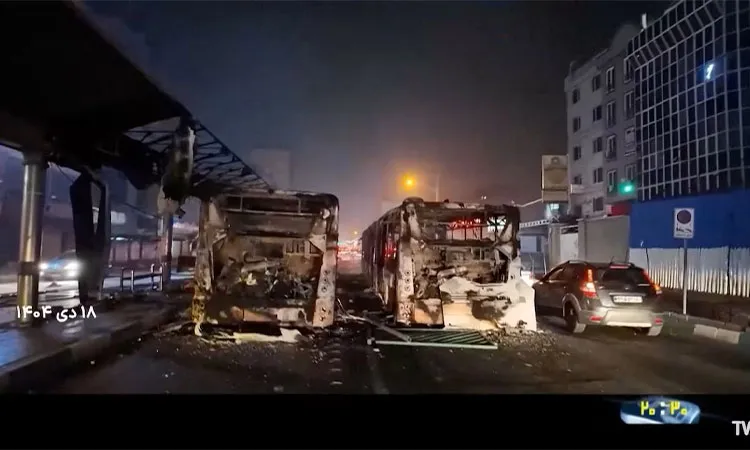
A week-long security crackdown and total internet blackout have largely smothered nationwide protests in Iran. Activists report that at least 2,615 people have been killed as authorities escalated their use of lethal force to end the challenge to the country's theocracy.
By Thursday morning, the sound of gunfire in Tehran had faded, and the debris of nighttime street battles was cleared. However, the calm is fragile. State media continues to report mass arrests, while the judiciary has signaled that fast-track trials and executions of those detained are imminent.

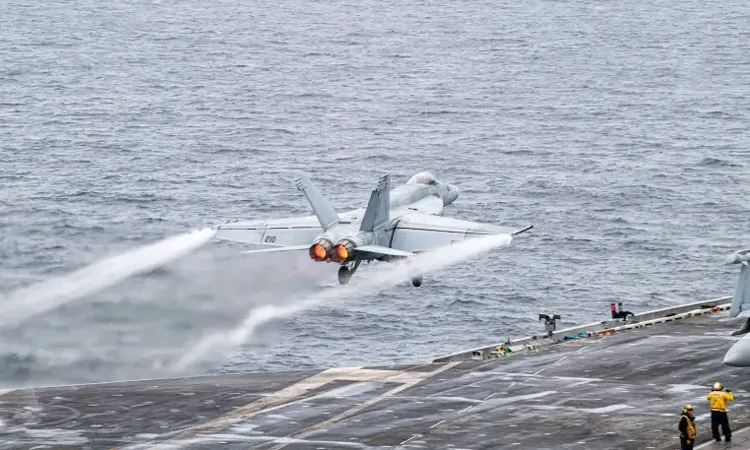
Airspace Closure and Global Tension Tensions spiked early Thursday when Iran abruptly shut its airspace for over four hours without explanation. This move forced international flights to divert and raised fears of a military strike.5 The closure follows a pattern seen during the 12-day war in June. Simultaneously, the U.S. moved personnel at its Qatar base and warned diplomats in Kuwait to avoid military areas, signaling high regional alert.

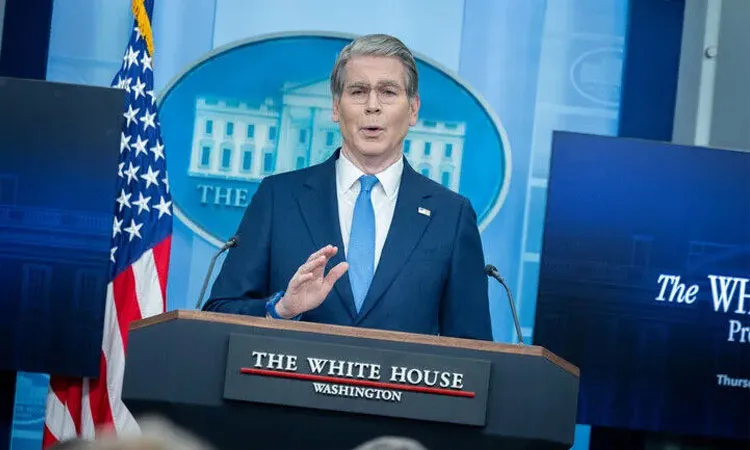
Diplomacy vs. Threats Despite the violence, a shift in rhetoric emerged late Wednesday. U.S. President Donald Trump claimed he had been told that plans for executions in Iran had "stopped," though he provided no evidence.8 This followed his earlier message to protesters that "help is on the way.
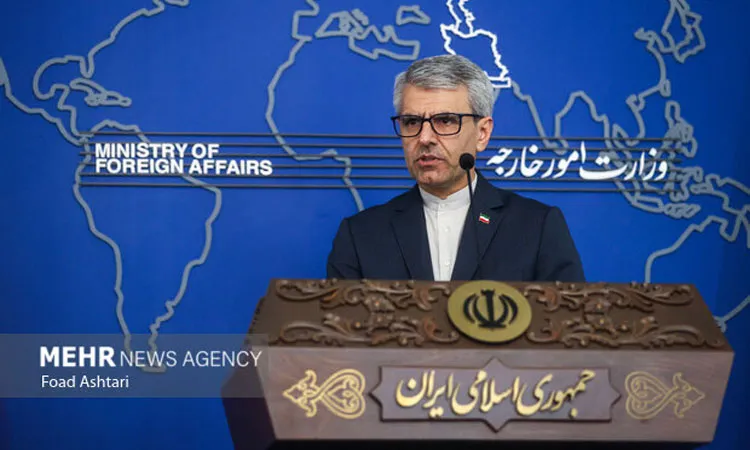
In a rare move, Iranian Foreign Minister Abbas Araghchi called for a solution through negotiation. “Diplomacy is much better than war,” Araghchi told international media, even as his domestic counterparts pushed for harsh punishments for protesters.
The U.N. Security Council is scheduled to hold an emergency meeting on the situation Thursday afternoon.