- National
- Bangladesh
- Business
- International
- Sports
- Entertainment
- Politics
- Technology
- Life Style
- Religion
- Opinion
- FIFA World Cup 2026
Friday, 07 August 2026

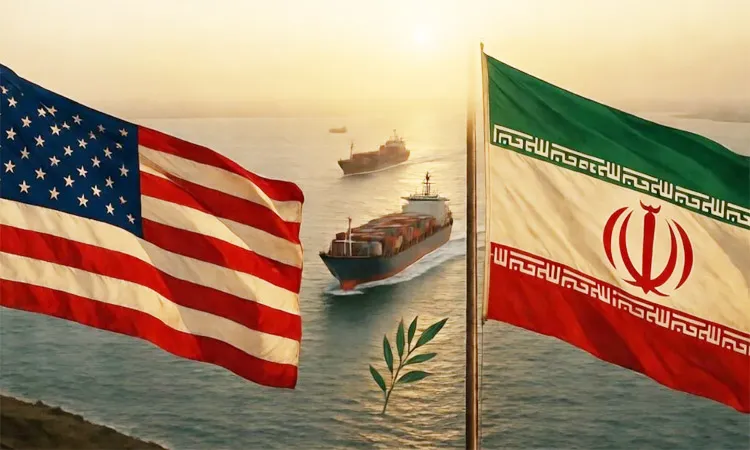
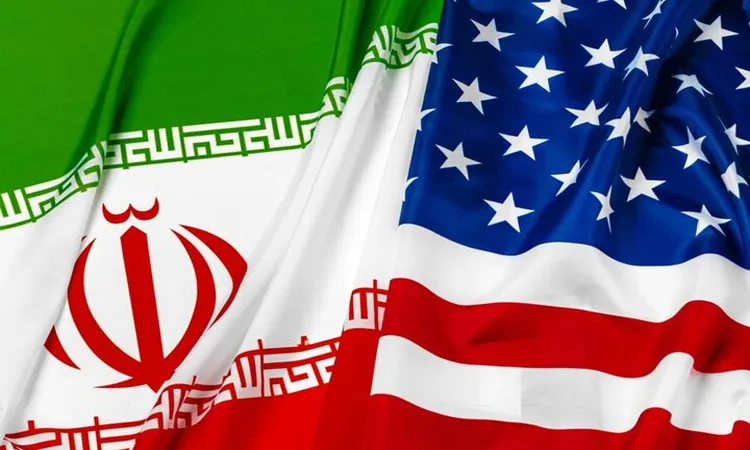
Iran has delivered a formal 14-point counter-proposal to the United States, mediated by Pakistan, demanding a permanent end to the conflict within 30 days. The move comes as a response to a nine-point US proposal that suggested a two-month temporary ceasefire.
Tehran has shifted the narrative from a "pause" in hostilities to a total "end to the war," emphasizing that a month is sufficient to resolve core issues.
Iran’s 14-Point Plan
According to Iranian state media outlets Tasnim and Fars, the proposal outlines several non-negotiable conditions for peace:
Military Withdrawal: Complete exit of US forces from areas surrounding Iran.
Economic Relief: Lifting the US naval blockade, removing sanctions, and unfreezing Iranian assets.
Security Guarantees: Pledges of non-aggression and a new management mechanism for the Strait of Hormuz.
Reparations: Payment of compensation for damages incurred during the conflict.
Regional De-escalation: A total end to hostilities on all fronts, specifically including Lebanon.
Trump’s Reaction: "The Price Has Not Been Paid"
Speaking in Florida before a flight to Miami, US President Donald Trump confirmed he had been briefed on the "concept" of the deal but expressed deep skepticism.
"I’ll let you know about it later," Trump told reporters, adding on social media that he found it difficult to imagine the terms would be acceptable. He argued that Iran has not yet "paid a big enough price" for its actions over the past four decades.
Despite the rhetoric, Trump noted he would review the "exact wording" of the document during his flight, though he pointedly refused to rule out a return to military strikes if Tehran "misbehaves."
The Current Standoff
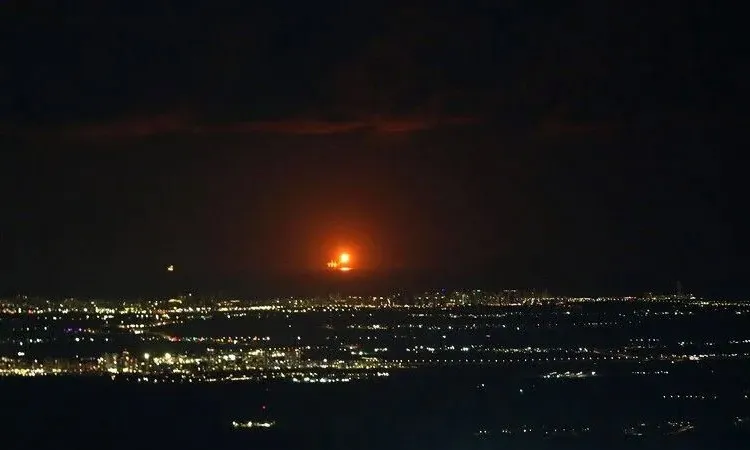
The war, which began in late February following US and Israeli strikes, has seen a fragile ceasefire in place since April 8. While a first round of talks in Pakistan failed to reach a breakthrough, the current proposal suggests a two-phased approach:
Phase 1: Secure a 30-day agreement on the naval blockade, the Strait of Hormuz, and the war in Lebanon.
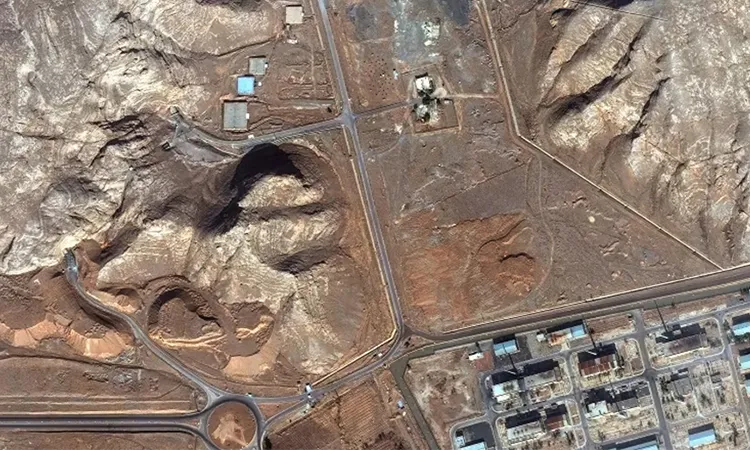
Phase 2: Launch separate negotiations focused specifically on Iran's nuclear program.
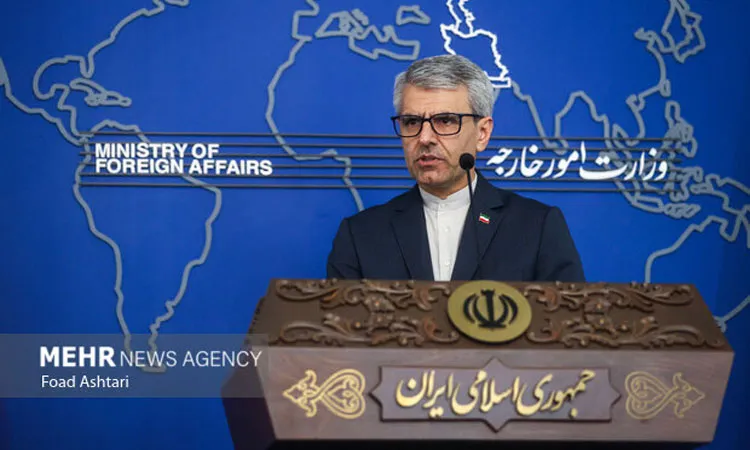
Iran’s Deputy Foreign Minister Kazem Gharibabadi stated that "the ball is in the United States' court," noting that Tehran is prepared for both diplomacy and continued confrontation.
The global economy remains on edge as the Strait of Hormuz—a vital artery for oil, gas, and fertilizer—remains under a "stranglehold," keeping oil prices roughly 50% above pre-war levels.