- National
- Bangladesh
- Business
- International
- Sports
- Entertainment
- Politics
- Technology
- Life Style
- Religion
- Opinion
- FIFA World Cup 2026
Wednesday, 22 July 2026

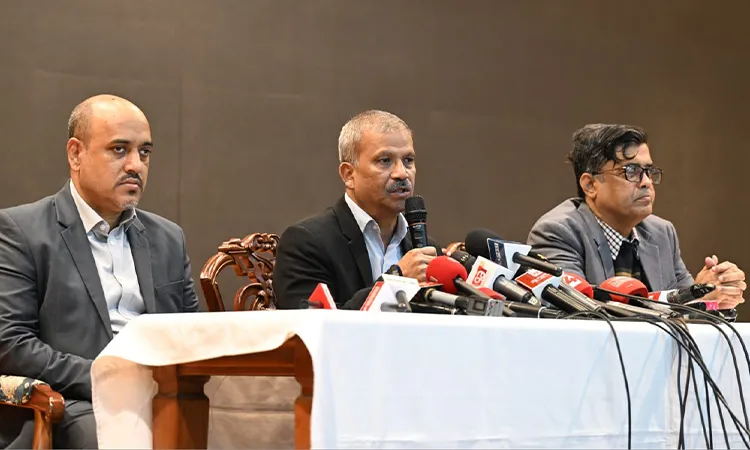
The interim government has officially approved the "July Mass Uprising Protection and Liability Determination Ordinance 2026," granting legal indemnity to those who participated in the 2024 mass uprising.
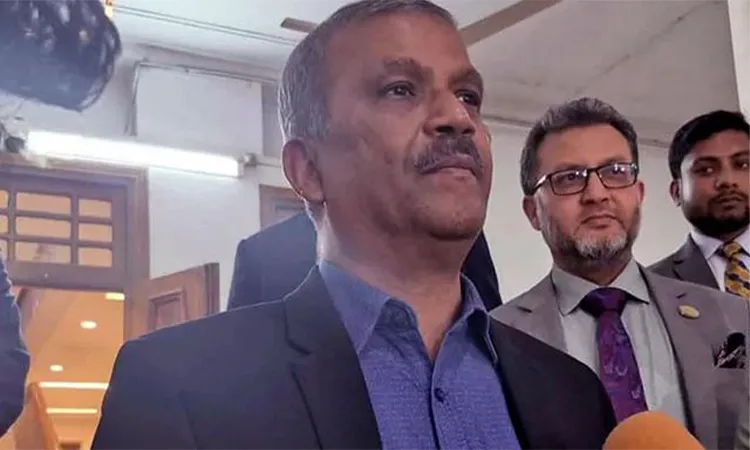
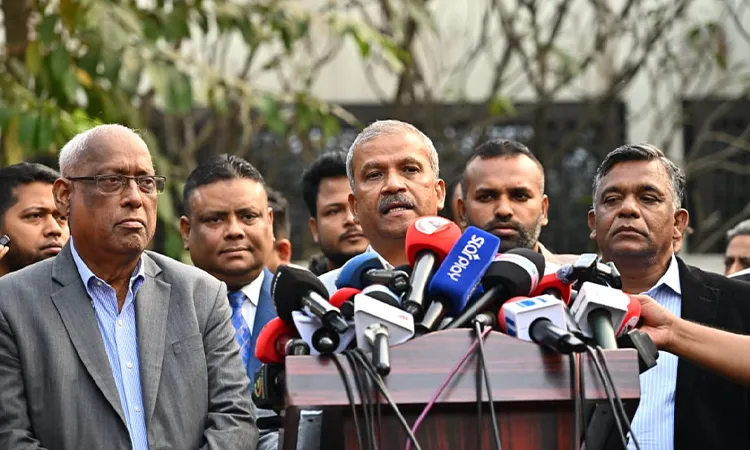
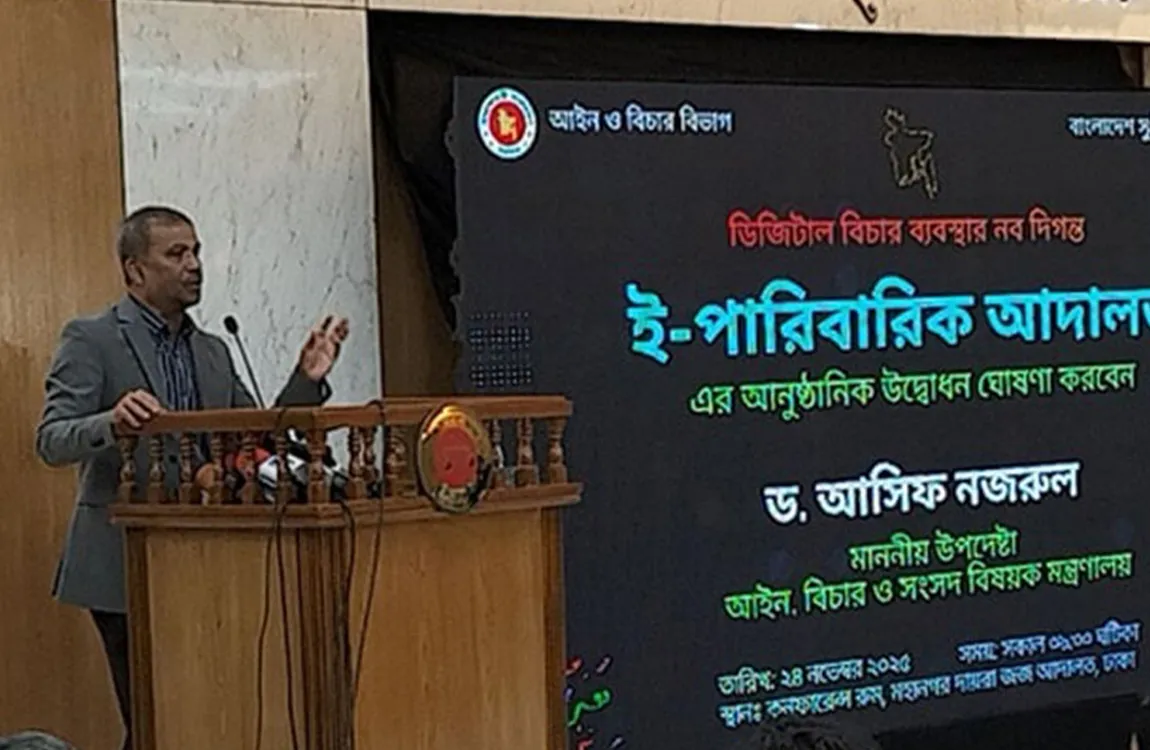
The approval came during a Council of Advisers meeting on Thursday, chaired by Chief Adviser Professor Muhammad Yunus. Law Adviser Professor Asif Nazrul later briefed the media, confirming that the ordinance will be formally gazetted as law within five to seven days.
Protection for 'Political Resistance' The ordinance provides immunity from criminal responsibility for activities carried out as part of "political resistance" between 1 July and 31 August 2024. The Law Adviser defined this as actions aimed at toppling the previous fascist government and restoring democratic governance.
Case Withdrawals: The government will take steps to withdraw existing criminal cases filed against uprising participants for their political activities.
Bar on New Cases: No new cases can be filed regarding organized political resistance during the specified two-month period.
No Immunity for Personal Crimes Prof. Asif Nazrul emphasized that the law does not cover crimes committed for personal gain, revenge, or narrow interests.
"The law was not enacted to provide immunity for killings carried out due to greed or personal vendettas that have no relation to the objective of restoring democracy," he clarified.
Role of the Human Rights Commission To prevent misuse, the National Human Rights Commission has been tasked with determining whether specific acts were tied to the uprising or motivated by personal interests.
Victims' families may approach the Commission if they believe a relative was killed for non-political reasons.
The Commission will investigate such claims and submit reports to the court, which will hold the same weight as a police investigation report. The Commission is expected to be fully reconstituted by 31 January 2026.
Historical Precedent Drawing parallels to the 1971 Liberation War, the Law Adviser noted that indemnity was similarly granted to freedom fighters until February 1972. He stated that the current ordinance follows international precedents for revolutionaries and is supported by Article 46 of the Bangladesh Constitution.